Category: Car Accident

  • The Foundations of Louisiana Law: Where Our Rules Come From

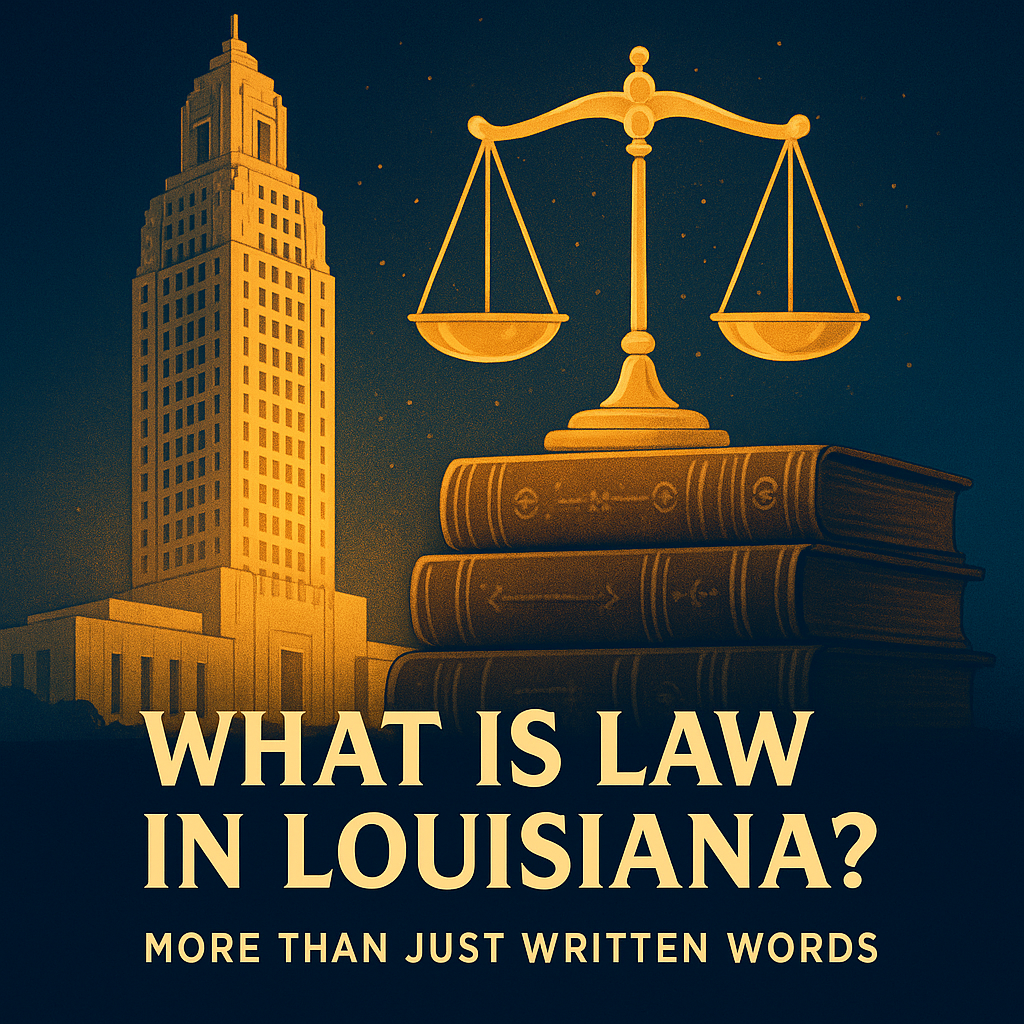
    Dynamic illustration of the Louisiana State Capitol and golden scales of justice over law books, symbolizing Louisiana’s unique blend of legislation and custom in its Civil Law systemWhat is Law in Louisiana? More Than Just Written Words

    Have you ever wondered what makes something a “law” in Louisiana? It might seem like a simple question, but understanding the true sources of our legal rules is crucial for navigating everyday life and protecting your rights. In Louisiana, a unique legal system rooted in the civil law tradition, the answer is a fascinating blend of official pronouncements and long-standing practices. Today, we’ll break down the fundamental concepts found in Louisiana Civil Code Articles 1, 2, and 3, which together explain where our laws originate.

    The Primary Source: Legislation – The Will of the People (CC 1 & 2)

    At its core, Louisiana law primarily comes from legislation. Civil Code Article 2 tells us that “Law is a solemn expression of legislative will.” What does this mean in plain English? It means that the most important and common way laws are created in Louisiana is through our elected representatives in the state legislature. When they debate, vote on, and pass a bill, and it’s signed into law by the Governor, that’s a “solemn expression of legislative will.”

    Think of it this way: our society decides on rules and policies, and the legislature is the body we entrust to formally write those rules down. These written laws – statutes, codes, and ordinances – are the backbone of our legal system. They cover everything from how contracts are formed to how property is owned, and they are the guiding principles that courts use to resolve disputes.

    The Secondary Source: Custom – Unwritten Rules with Legal Power (CC 1 & 3)

    While legislation is the primary source, it’s not the only one. Civil Code Article 1 states that the sources of law are “legislation and custom.” This brings us to a fascinating aspect of civil law: the role of custom.

    Civil Code Article 3 explains that “Custom results from practice repeated for a long time in conformity with a rule of policy, peace, or order.” Essentially, if people in a community consistently act in a certain way over a significant period, and this practice is generally accepted as the correct way to do things – promoting peace, order, or a specific policy – that custom can actually attain the force of law. However, there’s a critical condition: custom only has the same authority as legislation when it is not in conflict with legislation.

    This means that if a written law exists on a particular matter, custom cannot override it. Custom fills the gaps where legislation is silent or helps interpret the intent behind a written law. For example, local business practices, specific ways of handling transactions within an industry, or long-standing community traditions might be considered custom if they meet these strict requirements.

    Why This Matters to You

    Understanding these foundational principles is not just for lawyers; it’s vital for every citizen. Knowing that law comes from both explicit legislative acts and, in some cases, established customs, helps you:

    • Understand Your Rights and Responsibilities: Knowing where laws come from empowers you to better understand the rules that govern your life, your property, and your interactions with others.
    • Navigate Disputes: Whether you’re dealing with a contract issue, a property dispute, or any other legal challenge, identifying the applicable law – be it a statute or an established custom – is the first step toward resolution.
    • Engage with the Legal System: It demystifies the legal process, showing that laws aren’t just arbitrary rules, but expressions of collective will or long-accepted practices.

    Need Legal Guidance? Contact Us Today.

    The intricate details of Louisiana law can be complex. If you have questions about a specific legal matter, or if you believe your rights might be affected by legislation or custom, don’t hesitate to seek professional legal advice. Our experienced team is here to help you understand your situation and navigate the legal landscape. Contact us today for a consultation.

    Written By Berniard Law Firm

    Other Berniard Law Firm Articles: The Two Pillars of Louisiana Law: Legislation & Custom Explained (CC Arts. 1-3)

    and

    Who’s Responsible When a Step Collapses?

  • Car Insurance Exclusions: The Battle Between Intent and Fine Print

    Car insurance policies can be riddled with complex terms and conditions, often leading to misunderstandings between policyholders and insurers. The case of Mandi and Abigail Ardda v. Danielle T. Peters, et al. brings this issue to the forefront, highlighting the challenges of navigating insurance exclusions and the importance of clear communication.

    The Accident and the Insurance Claim:

    Abigail Ardda was involved in a car accident while driving a car she co-owned with her husband, Mandi. They filed a claim with their insurer, GoAuto Insurance Company, but were shocked to discover Abigail was listed as an excluded driver, despite their belief that she was covered.

    The Dispute:

    The Arddas claimed they had explicitly instructed the GoAuto agent to include Abigail on the policy and had even paid an additional premium for her coverage. They argued that the exclusion was a result of a mistake by the GoAuto employee and sought to have the policy reformed to reflect their original intent.

    The Court’s Decision:

    The trial court initially ruled in favor of GoAuto, stating that the exclusion was clear and unambiguous. However, the Court of Appeal reversed this decision, stating that there were genuine issues of material fact regarding whether a mutual error had occurred. The case was remanded for further proceedings to determine the true intent of the parties.

    Key Takeaways:

    This case underscores the following important points:

    • Read your policy carefully: It’s crucial to review your insurance policy thoroughly and understand its terms, including any exclusions. Don’t hesitate to ask your agent for clarification if anything is unclear.
    • Document your interactions with your insurer: Keep records of all conversations, emails, and other communications with your insurance agent or company. This can be valuable evidence if a dispute arises later.
    • Don’t rely solely on verbal agreements: While verbal assurances from your agent are important, make sure they are reflected in your written policy. If there’s a discrepancy, address it immediately.
    • Seek legal help if necessary: If you believe your insurer has made an error or is acting in bad faith, consult with an attorney who specializes in insurance law.

    The Ardda’s case serves as a reminder that insurance policies are contracts and should accurately reflect the agreement between the insured and the insurer. When misunderstandings arise, it’s important to seek resolution and, if necessary, legal recourse to protect your rights. Remember, the fine print matters, but so does your intent.

    Written by Berniard Law Firm

    Additional Berniard Law Firm Blog Articles on Car Insurance Contracts: What happens if you are involved in a car accident where your damages exceed the auto insurance policy limits of the person responsible? and Understanding Insurance Exclusions: A Case of Property Damage Coverage for Borrowed Cars

  • Louisiana Court Grapples with Complexities of Adoption in Wrongful Death Case

    A recent ruling by the Louisiana Court of Appeal, Third Circuit, has shed light on the complex interplay between adoption and the right to file wrongful death and survival actions. The consolidated cases, stemming from a tragic car accident that claimed the lives of Richard Stewart, Jr., and his two minor children, raised questions about whether adopted children and biological half-siblings can pursue such claims.

    The accident resulted in the deaths of Richard Stewart, Jr., and his two minor children. Mr. Stewart was survived by his wife, Lisa Stewart, and two adult sons, Daniel Goins and David Watts, who were adopted as minors. Additionally, the deceased minor children had a biological mother, Brandi Hardie, who was not a party to the lawsuits.

    Following the accident, multiple survival and wrongful death actions were filed. The central issue was whether Goins and Watts, as adopted children and biological half-siblings, had the right to bring these claims.

    The trial court denied the defendants’ exceptions of no right of action, allowing Goins and Watts to pursue their claims. The court reasoned that biological relationships and dependency, rather than legal classifications, should determine a child’s rights in such cases.

    The Court of Appeal, in a split decision, granted the defendants’ exceptions of no right of action concerning Goins’ claims for the deaths of his biological father and half-siblings. The majority concluded that adoption terminates the legal relationship between the adopted child and their biological parents, barring them from pursuing wrongful death claims.

    Judges Cooks and Savoie dissented, arguing that the Louisiana Civil Code articles governing wrongful death and survival actions do not exclude adopted children or half-siblings. They emphasized the importance of biological relationships and the potential unconstitutionality of denying adopted children the right to file such claims.

    Judge Conery concurred in part and dissented in part, agreeing with the dissenters regarding the inclusion of adopted children and half-siblings but disagreeing on the specific outcome of the case. He highlighted the need for the biological mother of the deceased minor children to be included in the proceedings to determine her potential abandonment and its impact on the siblings’ right to sue.

    This case illustrates the legal complexities surrounding adoption and inheritance rights in the context of wrongful death and survival actions. It underscores the ongoing debate about the balance between biological and legal relationships in determining who can seek compensation for the loss of a loved one.

    The dissenting opinions raise important questions about the potential implications of excluding adopted children from pursuing wrongful death claims, particularly concerning their constitutional rights.

    As the law continues to evolve in this area, it is crucial for individuals involved in adoption or facing the tragic loss of a loved one to seek legal counsel to understand their rights and navigate the complexities of the legal system.

    Additional Sources: KHRISTY GOINS RISMILLER, TUTRIX FOR DANIEL EDWARDS GOINS VERSUS GEMINI INSURANCE COMPANY, ET AL.

    Written by Berniard Law Firm

    Other Berniard Law Firm Articles on Who Has a Right to Bring a Lawsuit: Louisiana Court holds that tutors are not considered a “parent” entitled to bring a claim for loss of consortium and Biological Father Denied Claim in Son’s Louisiana Wrongful Death LawSuit

  • Louisiana Court Adjusts Damages in Car Accident Case, Emphasizes Need for General Damages

    A recent ruling by the Louisiana Court of Appeal has highlighted the importance of awarding general damages in personal injury cases, even when the primary focus is on medical expenses. The case involved a car accident where the jury awarded the plaintiff past medical expenses but failed to award any general damages for pain and suffering.

    In 2013, Steven McDowell was involved in a car accident with Russell Diggs. McDowell sued Diggs and his insurer, seeking damages for physical and mental pain and suffering, loss of enjoyment of life, and medical expenses.

    The jury found both drivers equally at fault (50% each) and awarded McDowell $8,000 for past medical expenses. However, they did not award any general damages. McDowell appealed, arguing that it was legal error to award special damages without also awarding general damages.

    The Court of Appeal agreed with McDowell, finding that the jury’s decision to award medical expenses but no general damages was an abuse of discretion. The court conducted a de novo review of the evidence and awarded McDowell an additional $25,000 in general damages.

    Understanding the Types of Damages

    • Special Damages: These are quantifiable economic losses, such as medical expenses, lost wages, and property damage.
    • General Damages: These are non-economic losses that are more difficult to quantify, such as pain and suffering, mental anguish, and loss of enjoyment of life.

    Why General Damages Matter:

    General damages compensate for the intangible harms caused by an accident. They acknowledge the physical and emotional toll an injury can take on a person’s life. Even if medical expenses are covered, the pain, suffering, and reduced quality of life deserve compensation.

    Key Takeaways from the Case:

    • Legal Error: The court emphasized that it’s a legal error for a jury to award special damages without also awarding general damages when the injuries are proven.
    • De Novo Review: When such an error occurs, the appellate court can conduct a de novo review, meaning they will independently assess the evidence and determine an appropriate award for general damages.
    • Importance of General Damages: The case highlights that general damages are an essential component of fair compensation in personal injury cases.
    • Seek Legal Counsel: If you’ve been injured in an accident, it’s crucial to consult with an attorney who can help you understand your rights and ensure you receive full and fair compensation for all your losses, including general damages.

    This case serves as a reminder that even in cases where medical expenses are the primary focus, general damages for pain and suffering should not be overlooked. The court’s decision emphasizes the importance of ensuring that injured individuals receive just compensation for the full spectrum of harm they’ve suffered.

    Additional Sources: STEVEN MCDOWELL VERSUS RUSSELL DIGGS, UNITED SERVICES AUTOMOBILE ASSOCIATION AND LIBERTY MUTUAL INSURANCE COMPANY

    Written by Berniard Law Firm

    Other Berniard Law firm articles on General Damages: Louisiana Court Affirms General Damages Awarded to Ascension Parish Woman Injured In Auto Accident and Falling Tree Victim Entitled to Increase of General Damages

  • Unexpected Acceleration or Failure to Yield? Louisiana Court Reverses Summary Judgment in Car Accident Case

    In personal injury law, car accidents at intersections are all too common. However, the case of Trapp v. Allstate Property and Casualty Insurance Company brings a unique twist: the claim of a sudden, unexpected vehicle malfunction. This Louisiana Court of Appeal decision underscores the importance of thoroughly investigating all aspects of an accident before assigning fault, especially when a vehicle defect may have contributed.
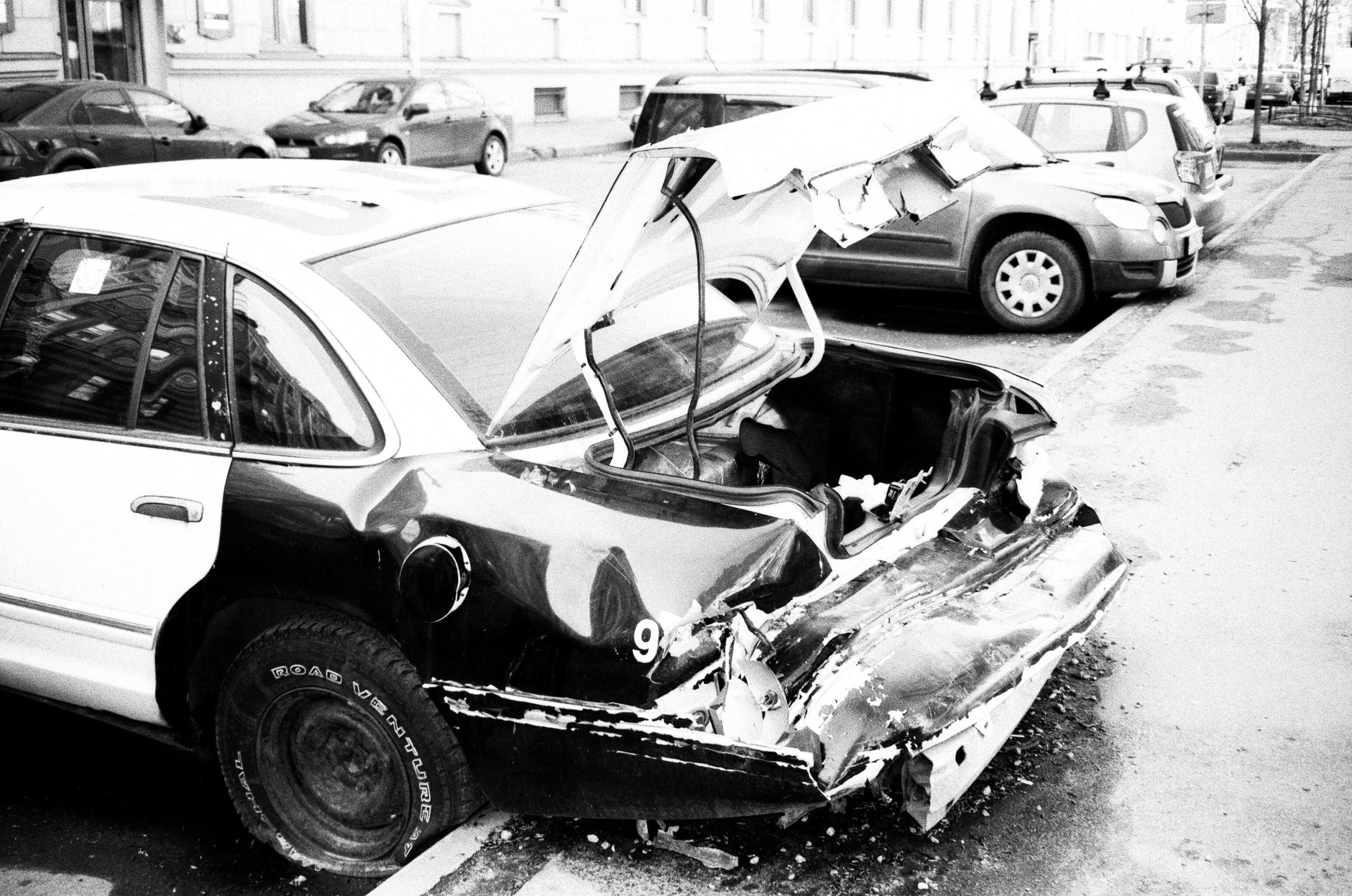
    The case arose from an accident at an intersection in Louisiana. Mr. Trapp was entering the highway from a gas station parking lot when his truck collided with Mr. Martin’s truck. While Mr. Trapp was cited for failure to yield, Mr. Martin claimed his truck suddenly accelerated out of control, preventing him from avoiding the collision.

    The trial court initially granted summary judgment, finding Mr. Martin 100% at fault. However, the Court of Appeal reversed this decision, stating that genuine issues of material fact existed regarding comparative fault and the potential for a third party (the vehicle manufacturer) to be at fault.

    The Court of Appeal emphasized that summary judgment is only appropriate when there’s no genuine dispute about any material facts. In this case, Mr. Martin’s consistent testimony about his truck’s sudden acceleration raised questions about whether the accident was solely his fault. The court noted that while an expert couldn’t reproduce the malfunction, this didn’t negate Mr. Martin’s claim.

    Additionally, the court considered Mr. Trapp’s statement to the investigating officer that he believed Mr. Martin had time to slow down. This suggested Mr. Trapp might have incorrectly assumed Mr. Martin would yield, even though the law required him to yield when entering the highway.

    The court concluded that these disputed facts warranted a trial to determine each driver’s degree of fault and whether any third party, such as the vehicle manufacturer, might also be liable.

    Things to Consider: 

    • Sudden Acceleration Claims: While rare, claims of sudden unintended acceleration can complicate car accident cases. It’s essential to thoroughly investigate such claims and consider all potential contributing factors.
    • Comparative Fault: Louisiana follows a comparative fault system, meaning fault can be apportioned between multiple parties, including drivers and potentially even vehicle manufacturers.
    • Summary Judgment Requires No Disputed Facts: Summary judgment is only appropriate when there’s no genuine dispute about critical facts. These issues must be resolved at trial if there are conflicting accounts or evidence.

    The Trapp decision reminds us that assigning fault in car accidents isn’t always straightforward. Factors like potential vehicle malfunctions and the actions of both drivers must be carefully considered.

    If you’ve been involved in a car accident, seeking legal advice from an experienced personal injury attorney is crucial. They can help you investigate the accident, identify all potentially liable parties, and fight for the compensation you deserve.

    Additional Sources: JEFFREY TRAPP, ET AL. VERSUS ALLSTATE PROPERTY AND CASUALTY INSURANCE COMPANY AND JOHN R. MARTIN

    Written by Berniard Law Firm

    Other Berniard Law Firm Articles on Car Accidents: Can a Prior Insurance Lawsuit Affect Your Personal Injury Claim?  and Louisiana Court Upholds Modest Damages in Minor Car Accident Case: Highlighting the Importance of Proving Causation and the Impact of Pre-Existing Conditions

  • Louisiana Court Upholds Modest Damages in Minor Car Accident Case: Highlighting the Importance of Proving Causation and the Impact of Pre-Existing Conditions

    A recent ruling from the Louisiana Court of Appeal underscores the challenges of securing substantial damages in personal injury cases, especially when pre-existing conditions and the severity of the accident are at play. The case, Pourciau v. Melville and State Farm, involved a minor rear-end collision. While the defendant admitted fault, the court ultimately upheld a modest damage award, emphasizing the plaintiff’s burden to prove a direct causal link between the accident and the claimed injuries.

    Douglas Pourciau was rear-ended by Dennis Melville at an intersection in Baton Rouge. While the accident was minor, Pourciau claimed it aggravated his pre-existing back and neck pain. He sued Melville and his insurer, State Farm, for damages.

    The trial court found Melville partially at fault but awarded Pourciau only a modest amount in general damages, citing the lack of evidence linking his ongoing pain to the accident. Pourciau appealed, seeking a higher award and additional damages for future medical expenses and loss of use of his vehicle.

    The Louisiana Court of Appeal affirmed the trial court’s decision, emphasizing the plaintiff’s burden to prove causation and the extent of their injuries.

    • Pre-existing Conditions and Causation: The court acknowledged Pourciau’s prior back and neck issues and highlighted the need to establish a direct causal link between the accident and any claimed aggravation. It noted that Pourciau had reported improvement and a return to his pre-accident condition shortly after the accident, raising questions about the ongoing nature of his complaints.

    • Credibility and Medical Evidence: The court considered Pourciau’s testimony and medical records. It noted inconsistencies in his reporting of neck pain and the lack of evidence supporting his claims of severe ongoing pain. The court also found that Pourciau had not sought further medical treatment beyond chiropractic care and was managing his pain with over-the-counter medication.

    • Future Medical Expenses and Loss of Use: The court rejected Pourciau’s claims for future medical expenses and loss of use of his vehicle. It found insufficient evidence to support these claims, particularly given the lack of recent medical treatment and the absence of evidence showing any rental car expenses or significant inconvenience caused by the loss of his vehicle.

    Things to Know: 

    The Pourciau decision highlights several important aspects of personal injury claims:

    • Proving Causation is Crucial: It’s not enough to have pre-existing conditions and experience pain after an accident. You must prove that the accident directly caused a new injury or significantly worsened your existing condition.
    • Medical Evidence Matters: Consistent medical records and expert testimony are vital in proving the extent of your injuries and their connection to the accident.
    • Credibility is Key: Your testimony and the consistency of your claims play a significant role. Inconsistent statements or gaps in medical treatment can weaken your case.
    • Mitigating Damages: If you’re seeking damages, you must take reasonable steps to mitigate them. This includes following medical advice and seeking appropriate treatment.

    The Pourciau case serves as a reminder that even in cases where fault is admitted, proving the extent of damages and their connection to the accident can be challenging, particularly when pre-existing conditions are involved.

    If you’ve been injured in a car accident, consulting with an experienced personal injury attorney is critical. They can help you gather strong medical evidence, build a persuasive case, and fight for the compensation you deserve. Remember, understanding the legal requirements and having skilled representation can make all the difference in securing a fair outcome.

    Additional Resources: DOUGLAS POURCIAU VERSUS DENNIS MELVILLE AND STATE FARM MUTUAL AUTOMOBILE INSURANCE COMPANY

    Written by Berniard Law Firm

    Other Berniard Law Firm Articles on Pre-existing Injuries: Louisiana Court Awards Damages in Car Accident Case Despite Pre-Existing Conditions and How Does a Pre-Existing Injury affect your Workers’ Compensation Claim?

  • No Pain, No Gain? Understanding the Importance of Proving Injury in Louisiana Car Accident Cases

    A recent Louisiana Court of Appeal decision, Cruz v. Creecy, underscores the critical importance of proving injuries in personal injury cases arising from car accidents. The case reminds us that even when fault is established, a plaintiff must still provide credible evidence of their injuries to secure damages.

    The case started when Rosa Cruz was involved in a car accident with Martha Creecy. A lawsuit was filed, and the trial court found Ms. Creecy to be at fault for the accident. However, the court declined to award damages to Ms. Cruz, concluding she failed to prove she sustained any injuries directly caused by the accident.

    Ms. Cruz appealed this decision, arguing that her testimony and medical records were sufficient to prove both injury and causation.

    The Court’s Ruling

    The Court of Appeal upheld the trial court’s decision, emphasizing Ms. Cruz’s burden to prove both the existence of injuries and that those injuries were caused by the accident.

    • Credibility Issues: The court highlighted inconsistencies in Ms. Cruz’s testimony. She claimed to have vomited and suffered a head injury immediately after the accident, but this was contradicted by other witnesses and the police report. The court found Ms. Cruz to be an “extremely poor historian” and questioned her credibility.
    • Medical Evidence: The court scrutinized the medical records, noting that Ms. Cruz’s initial complaints at the hospital focused on headaches and stomach problems. Only later did she report a wider range of symptoms to a chiropractor. The court found that the medical evidence did not definitively link her complaints to the accident.
    • The Housley Presumption: Ms. Cruz invoked the “Housley presumption,” a legal principle that can help plaintiffs establish causation in personal injury cases. However, the court pointed out that this presumption only applies after an injury has been proven. Since the court found Ms. Cruz failed to prove she suffered any injury from the accident, the Housley presumption was irrelevant.

    Key Takeaways

    • Proving Injury is Essential: Even if the other party is at fault in a car accident, you must prove you were injured to receive damages.
    • Credibility Matters: Your testimony plays a crucial role in proving your case. Inconsistent statements or a lack of corroborating evidence can undermine your credibility and harm your chances of success.
    • Medical Evidence is Key: Medical records and expert testimony are often critical in establishing the existence and cause of your injuries.
    • The Housley Presumption has Limits: The Housley presumption can be a helpful tool for plaintiffs, but it only applies if you can first prove you were injured in the accident.

    Additional Sources:ROSA LOPEZ CRUZ VERSUS MARTHA CREECY AND USAA CASUALTY INSURANCE COMPANY

    Written by Berniard Law Firm

    Other Berniard Law Firm Articles on Proving Damages: Louisiana Appeals Court affirms no damages should be allocated to minors Because of Lack of Proof and Harvey Man Denied Damages For Truck Falling On Foot, Importance of Proof in Lawsuits

  • A Car Crash, a Faulty Repair, and a Battle Over Damages

    Patricia Spann’s life took a dramatic turn when she lost control of her Chevrolet Cobalt, resulting in a severe accident that left her with multiple fractures and a lengthy hospital stay. She believed the cause of the accident was a faulty power steering system, recently replaced by Gerry Lane Chevrolet as part of a recall. Spann sued Gerry Lane, alleging negligence in the repair and the hiring and training of their mechanics.

    The legal journey was not a smooth one. Initially, the trial court dismissed Spann’s case, granting Gerry Lane’s motion for summary judgment due to a perceived lack of evidence. However, Spann fought back, securing a new trial based on additional evidence from her expert witness.

    This expert, a mechanical engineer, had conducted multiple inspections of Spann’s car, ultimately concluding that the power steering system failed due to improper installation. Gerry Lane challenged the admissibility of this expert’s testimony, arguing it lacked scientific basis and that some inspections violated a court order. However, the court allowed the testimony, stating that challenges to the expert’s conclusions were about the weight of the evidence, not its admissibility. The court also determined that while the inspections without the defendants present were “troubling,” there was no evidence of intentional wrongdoing.

    At trial, a jury found Gerry Lane partially at fault for the accident and awarded Spann damages for medical expenses and lost wages. However, they did not award any damages for pain and suffering, a decision that Spann challenged. The trial court agreed with Spann, finding the jury’s verdict inconsistent. It granted a Judgment Notwithstanding the Verdict (JNOV), significantly increasing the damages to include a substantial amount for pain and suffering. (see La. C.C.P. art. 1811).

    Gerry Lane appealed, arguing several points, including the admissibility of the expert’s testimony, the evidence from the inspections, the granting of a new trial, and the large increase in damages awarded by the JNOV.

    The appeals court carefully reviewed the evidence and legal arguments. It upheld the trial court’s decisions regarding the expert testimony, the evidence from the inspections, and the new trial. However, while it agreed that the jury’s verdict was inconsistent and a JNOV was warranted, it found the trial court’s increase in damages to be excessive. The appeals court reduced the additional award for pain and suffering, striking a balance between recognizing Spann’s injuries and respecting the jury’s initial findings.

    This case underscores several important legal concepts. It highlights the critical role of expert witnesses in complex cases, particularly when technical or scientific issues are involved. It also emphasizes the importance of adhering to court orders and the potential consequences of violating them, even if unintentional.

    Furthermore, the case demonstrates the power of a JNOV to correct an inconsistent or unjust jury verdict. However, it also shows that even when a JNOV is granted, the court’s discretion in awarding damages is not unlimited and must be based on a reasonable assessment of the evidence.

    Spann v. Gerry Lane serves as a reminder that the legal process can be long and complex, with multiple layers of review and potential for appeals. It underscores the importance of seeking experienced legal counsel to navigate these complexities and ensure that justice is served.

    Additional Sources:PATRICIA SPANN VERSUS GERRY LANE ENTERPRISES, INC. D/B/A GERRY LANE CHEVROLET, ABC AND XYZ

    Written by Berniard Law Firm 

    Other Berniard Law Firm Articles on Increase of Jury Awards: How can an Appeal Affect a Jury’s Award for Mental and Physical Pain and Suffering?  and Allocating Damages in Wrongful Death Cases: Navigating the High Standard of JNOV Motion

  • Driver Not Liable for Passenger’s Injury in Accident Beyond His Control

    Sometimes, being a passenger in a car can be a frustrating and disturbing experience. This is especially true when actions beyond the passenger’s control, such as being involved in a collision, put his or her life in danger. When such a situation arises, the injured passenger will, understandably, seek compensation from the responsible party. However, if the person who caused the accident leaves the scene and is never apprehended by law enforcement, an injured person may turn their attention elsewhere for financial compensation. Such a situation arose following a car accident on a stretch of highway between Jennings and Lafayette, Louisiana. 
    Kyle Jordan was driving a rental car with Riley Moulton as a passenger. The vehicle was sideswiped, causing Jordan’s car to flip over and injure Moulton. The hit-and-run driver was never identified, so Mouton sued both Jordan and the rental car company, EAN Holdings, for damages. The defendants moved for summary judgment, arguing that since Mouton admitted in his deposition that Jordan was driving safely at the time of the accident and did nothing to cause it, Moulton offered no evidence to support a theory of recovery against Jordan or EAN Holdings. The trial court granted the defendant’s motions for summary judgment. Mouton appealed to Louisiana’s Third Circuit Court of Appeal.

    The Appellate Court reviewed the facts of the case as laid out by Mouton himself in his deposition testimony. Mouton stated that Jordan had set the cruise control in the car to 70 MPH, consistent with the speed limit, and was “driving correct.” He further testified that the accident occurred when Jordan made a proper change into the left lane to pass a large truck.

    A driver in a Kia came up from behind and, in a dangerous and illegal move known as “shooting the gauntlet,” attempted to pass Jordan’s vehicle on the right-hand side between it and the truck Jordan was trying to pass. The Kia sideswipedan’s vehicle, sending it out of control. Jordan attempted to regain control but overcorrected and flipped the car. Mouton’s testimony made it evident that Jordan could not have done anything to avoid the accident.

    Summary judgment should be granted if “the adverse party fails to produce factual support sufficient to establish that he will be able to satisfy his evidentiary burden of proof at trial.” Hardy v. Bowie, 744 So.2d 606 (La. 1999). In this instance, the Court noted, Mouton was unable to point to any evidence suggesting Jordan’s liability for the injuries he suffered in the crash.

    Mouton freely admitted in his deposition that Jordan was “driving as he was supposed to” by following the speed limit and remaining in his lane. Mouton also revealed that Jordan could not have taken any actions to avoid the accident. It was beyond his control, and the Kia driver was solely responsible for side-swiping Jordan. 

    Jordan also was not at fault for any action he may have taken after being sideswiped by the Kia under the sudden emergency doctrine. The doctrine provides that “one who finds himself in imminent danger, without sufficient time to weigh and consider all of the circumstances or means of avoiding danger, is not guilty of negligence if he fails to choose what subsequently appears to be the better method.” Bryn Lynn Corp. v. Valliere, 434 So.2d 600 (La. Ct. App. 1983).

    The Court determined that there was nothing Jordan could have done to avoid the accident, which occurred suddenly and unexpectedly; under the sudden emergency doctrine, he cannot be considered negligent for failing to regain control of the car. Instead, the driver of the Kia was solely at fault for the injuries Mouton suffered. Therefore, the Court affirmed the trial court’s grant of summary judgment in Jordan’s favor.

    Similarly, the Court held that Moulton offered no theory of recovery against EAN Holdings, which simply rented a car to Jordan. When a car renter is in “exclusive physical control of the lease object,” negligence “cannot be imputed to the lessor.” Dixie Drive It Yourself Sys. v. American Beverage Co., 137 So.2d 298 (La. 1962).  The Court noted that even if Jordan had been at fault for Mouton’s injuries, EAN Holdings would not have been liable under this “well settled” rule. Thus, the Court also affirmed the trial court’s grant of summary judgment in favor of EAN Holdings.

    This case demonstrates two important principles. First, it shows how courts attempt to resolve disputes quickly and efficiently through summary judgment when a plaintiff fails to provide factual support for his theory of recovery. Second, it demonstrates the operation of the sudden emergency doctrine that limits a person’s liability when unexpectedly thrust into a dangerous situation caused by another party’s negligent or reckless actions. In what should be a comfort to motorists across Louisiana, the doctrine affords them some leniency for not acting perfectly reasonably when they are put in a situation for which they are not trained and have little or no experience. In this case, Jordan was not a stunt driver or car racer; the Court determined he could not be expected to know how to react perfectly when his car was sideswiped at highway speeds.

    Additional Source:  RILEY MOUTON VERSUS EAN HOLDINGS, LLC, ET AL.

    Written by Berniard Law Firm

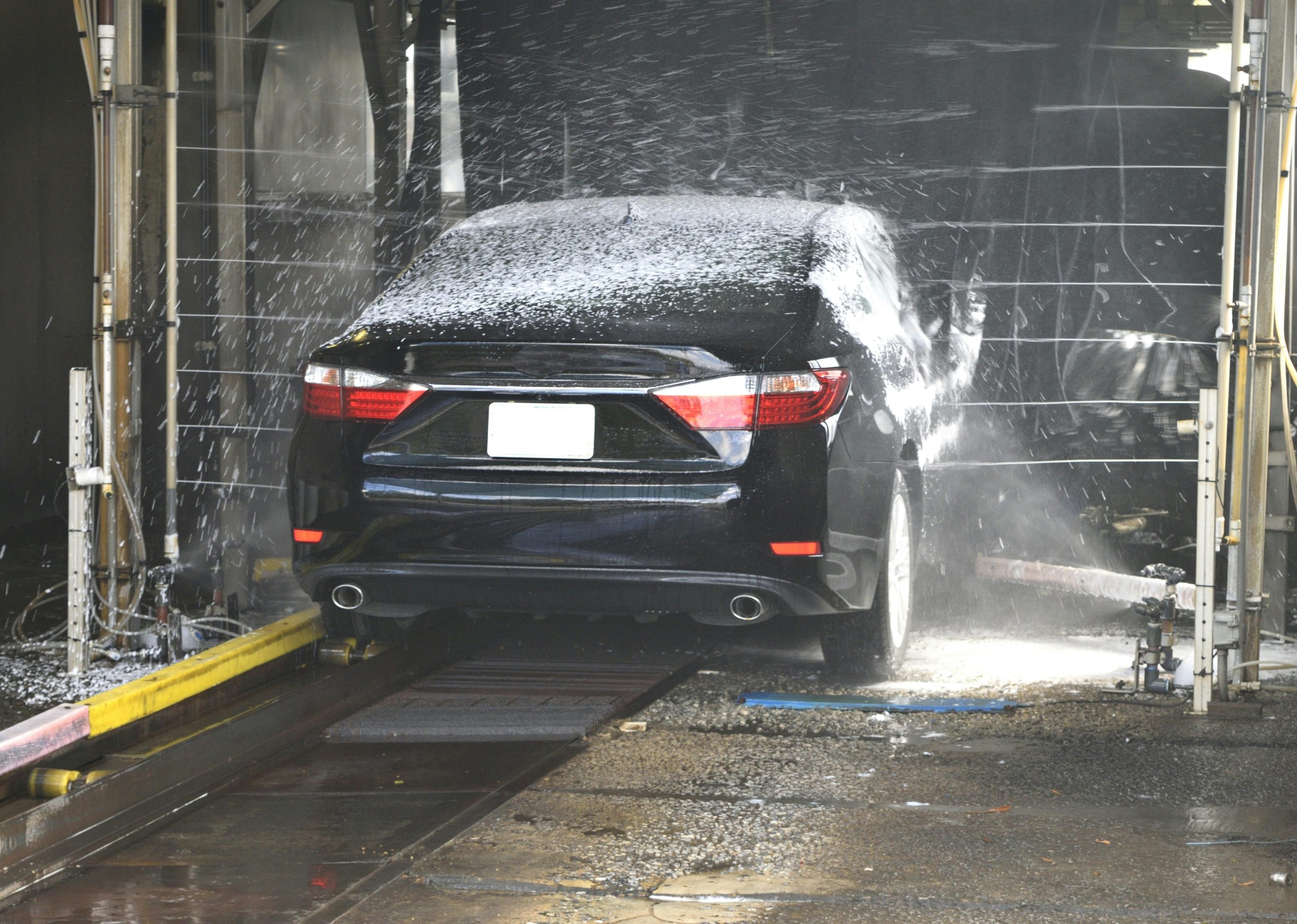
  • Car Wash Accident Injury Case Proceeds After Summary Judgment Reversed

    In cases involving multiple defendants, courts are frequently asked to dismiss some or all of the parties because no set of facts can allow a case to proceed. Defendants will point the finger at their counterparts in hopes of securing a dismissal for themselves. However, the dismissal of even just one defendant can mean the loss of significant compensation for the party bringing the lawsuit. In a recent injury case out of Baton Rouge, a family was able to get their day court despite the best efforts of their opponent.   

    Calandra Carr and her two children, Louis Carr, Jr., and Ciara Carr, were all riding in their van when they were in line to use the Geaux Clean Express Car Wash behind Jeffrey Dykes. Anthony Amedee was in front of Mr. Dykes’ vehicle when Mr. Amedee’s vehicle moved backward, striking Mr. Dykes vehicle, which in turn, hit the Carr’s van. This collision caused injuries, damages, and losses, which Carr’s argument caused because Mr. Amedee failed to maintain proper vehicle control.  The Carr’s also claimed that Geaux Clean failed to maintain the car wash properly and that their negligence was also a cause of the collision.

    The Carrs filed a lawsuit against Anthony Amedee and his liability insurer, Louisiana Farm Bureau Casualty Insurance Company (“Farm Bureau”), Geaux Clean Express Car Wash (“Geaux Clean”) and its insurer, Ohio Security, and Allstate Property and Casualty Insurance Company (“Allstate”) as the Carrs’ UM insurers.

    In response, Ohio Security filed a motion for summary judgment as a matter of law because they argued that the Carrs were incapable of proving that Geaux Clean’s carelessness caused their injuries. The Carrs argued against summary judgment because there were many unresolved questions regarding Geaux Clean’s liability, including conflicting testimony that required a determination based on witness credibility. However, the Nineteenth Judicial District Court for the Parish of East Baton Rouge granted the summary judgment motion and dismissed the Carrs’ claims with prejudice.

    A summary judgment motion is a procedural device used when there is no genuine issue of material fact. Granting a summary judgment motion allows the court to avoid a full-scale trial. See All Crane Rental of Georgia, Inc. v. Vincent, 47 So.3d 1024 (La. Ct. App. 2010).  If a court determines that there is no genuine issue of material fact, the court will grant the motion for summary judgment as a matter of law. See La. C.C.P. art. 966(A)(3).

    The documents that can be submitted in opposition to or in support of a motion for summary judgment are restricted to affidavits, memoranda, pleadings, certified medical records, answers to interrogatories, depositions, admissions, and written stipulations. See La C.C.P. art. 966(A)(4).  When evaluating a motion for summary judgment, the court cannot make credibility decisions because it must assume that all witnesses are credible. See Monterrey Center, LLC v. Ed.ucation Partners, Inc., 5 So.3d 225 (La. Ct. App. 2008).  

    The Louisiana First Circuit Court of Appeal reviewed the deposition testimony and found varying accounts of the collision. The First Circuit disagreed that summary judgment was appropriate in this case because the District Court cannot determine credibility based on a motion. The evidence presented raised genuine issues of material fact that must be determined by a fact finder and not a court. 

    The First Circuit reversed the summary judgment and remanded for further proceedings. Carr’s case underscores the importance of hiring an excellent attorney who understands the standards associated with summary judgment motions.  A good attorney can help a court see where there are disputed facts in a case and keep a case from being dismissed prematurely.  

    Additional Sources: Carr v. Louisiana Farm Bureau Casualty Insurance Company

    Additional Berniard Law Firm Articles on Louisiana Summary Judgement: Florida Boulevard Car Accident Injury Claims Reinstated After Appeal of Summary Judgment