 In the legal system, dissenting opinions, i.e., opinions delivered by one or more judges who disagree with the decision, play a crucial role in shaping the interpretation and application of the law. They provide valuable insights into alternative viewpoints, often sparking discussion and debate and ultimately leading to the evolution of jurisprudence. One such notable dissenting opinion can be found in the case of Christopher Blanchard v. Demetrius J. Hicks et al., authored by Justice Cooks. In this blog post, we look at the case, the arguments made in the dissent, and the importance of dissent in the legal landscape.
The case of Christopher Blanchard v. Demetrius J. Hicks et al. arose from an incident in which Officer Blanchard’s patrol car was struck by a stolen truck. The plaintiff, Officer Blanchard, alleged that the defendant, Demetrius J. Hicks, was negligent in leaving his vehicle unattended with the keys in the ignition and the engine running, thereby facilitating the theft that led to the accident.
The majority of the court relied on the precedent set by the Supreme Court’s decision in Racine, which held that leaving keys in a vehicle does not create liability for the motorist if a thief steals the car and causes injury to a third party. However, Judge Cooks dissented from the majority’s opinion, arguing that Racine does not dispose of the factual matter at hand.
Judge Cooks pointed out that Racine’s circumstances differed from the present case. The vehicle was not parked on a public street or roadway in Racine. Thus, it did not fall under the scope of the statute that prohibits leaving a motor vehicle unattended without stopping the motor, locking the ignition, and removing the key. Conversely, in the present case, the stolen vehicle was parked on a public roadway with the keys in the ignition and the engine running.
Judge Cooks disagreed with the majority’s reliance on prior cases, such as Roach v. Liberty Mutual Ins. Co., Berlochaux v. Employers Mutual of Wausau, and Call v. Huffman. These cases, according to the dissent, did not involve a violation of the statute in question and were not directly applicable to the current matter.
Judge Cooks also emphasized that the law on this issue was far from settled. He argued that a duty/risk analysis should be conducted to determine whether Hicks’ actions breached the duty imposed by the statute and contributed to Officer Blanchard’s injuries. This, he argued, should be decided by a fact finder after a full trial on the merits.
Judge Cooks stressed modern principles of negligence and comparative fault, suggesting that Hicks may bear some degree of comparative fault for his negligent behavior in leaving his keys in the car on a public road, making it easy for a thief to steal the vehicle and cause harm to others. He argues that the statute has always emphasized its purpose of preventing theft. Therefore, the owner of the vehicle had a duty to prevent the theft of his vehicle and, in breach of that duty, owed some degree of comparative fault to the plaintiff.
Dissenting opinions such as Judge Cooks’ play a crucial role in the legal system. They offer alternative interpretations and analyses of the law, providing a dissenting view that can shape future legal developments. Judge Cooks sheds light on the case’s complexity by raising important questions about the applicability of previous precedents and emphasizing the need for a duty-risk analysis.
This case is a prime example of the importance of dissenting opinions in the legal system. Judge Cooks’ dissent challenges the majority’s reliance on prior cases and calls for a comprehensive analysis of the applicable law. The dissent encourages critical discussion that can influence future decisions and contribute to the ongoing development of the law. As the legal landscape evolves, dissents will remain essential to the judicial process, ensuring a robust and dynamic legal system.
Additional Sources: APPEAL FROM THE NINTH JUDICIAL DISTRICT COURT PARISH OF RAPIDES, NO. 257,487
Additional Berniard Law Firm Articles on Liability: Who’s At Fault if your car is stolen then involved in a wreck? The Thief, Victim, or Third Party Owner?
Written by Berniard Law Firm Blog Writer: Oprah Jerome
Other Berniard Law Firm Articles on Car Accidents: A Life-Altering Car Accident Ignites a Legal Feud
 Sometimes, those delightful recreational activities we all enjoy carry an inherent risk. Often, we assume the risk of those injuries when we engage in that potentially reckless conduct. Knowing your legal options following these injuries is necessary, mainly because recovering for these somewhat ordinary injuries can be difficult. What does it look like when a party cannot recover for a recreational injury–here, an injury from a trampoline park visit?
 Summary judgment is designed to enable judicial expediency and cost-effectiveness in the courts. It is an important and complicated procedure that can occur repeatedly during litigation. When summary judgment is asserted repeatedly in the same case, how do parties prevail in their attempts to get or defeat summary judgment motions? The following case helps answer that question.
 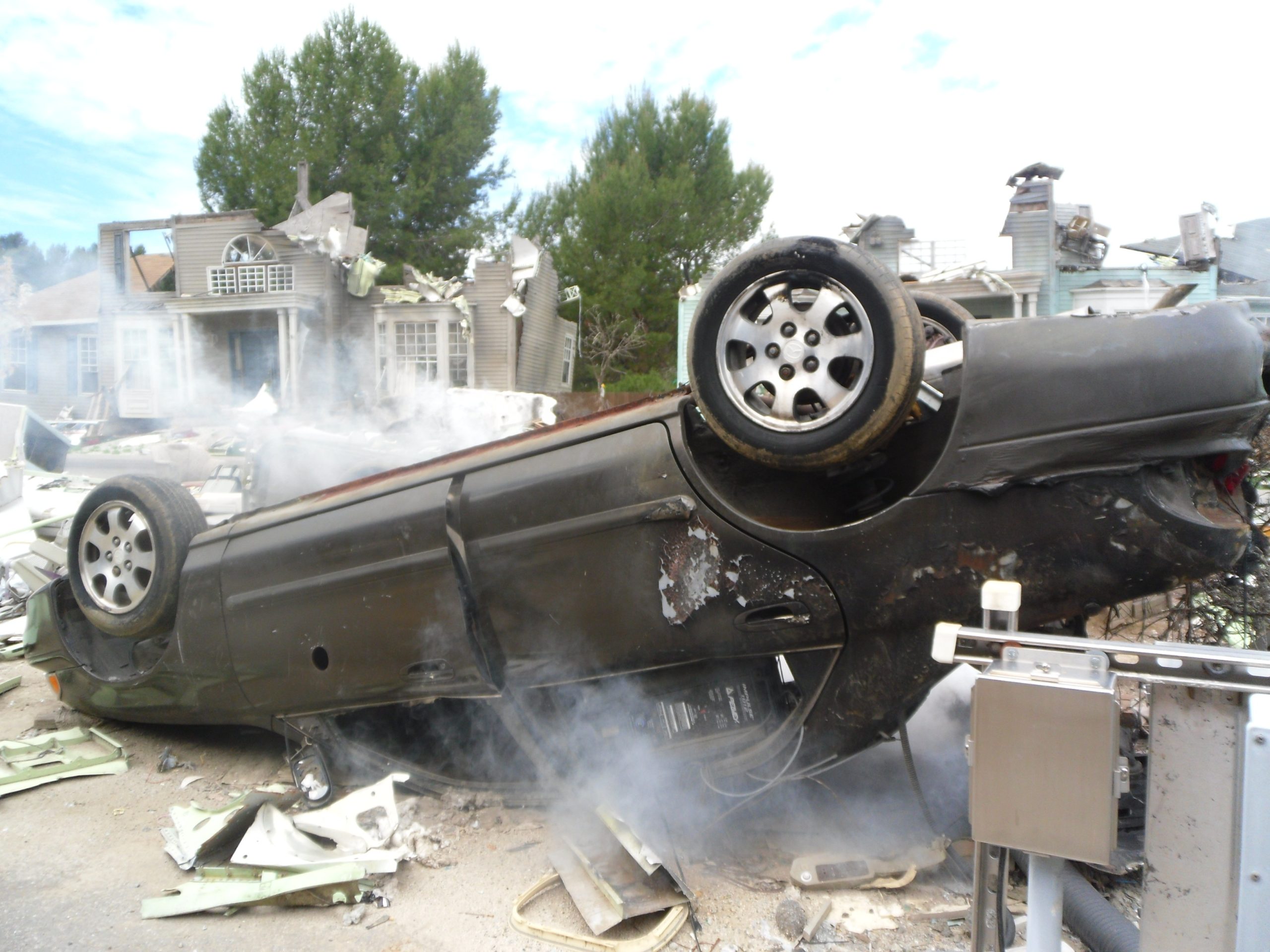 Imagine, for a moment, living a life of normalcy, the humdrum of day-to-day routines, a steady job, a peaceful existence. Suddenly, an unexpected accident shakes your world, thrusting you into the tumultuous tides of legal proceedings. This is the daunting reality Patricia and Calvin Henderson found themselves in, initiating a monumental case against Amy Lashouto and her insurer, State Farm Mutual Automobile Insurance Company (State Farm).
 Injury in the workplace can usually be avoided with proper safety measures in place. Safety measures, however, become hard to enforce when minors and adults work in conjunction. This was the case for Austin Griggs, an illegally employed minor injured in a forklift accident while working.
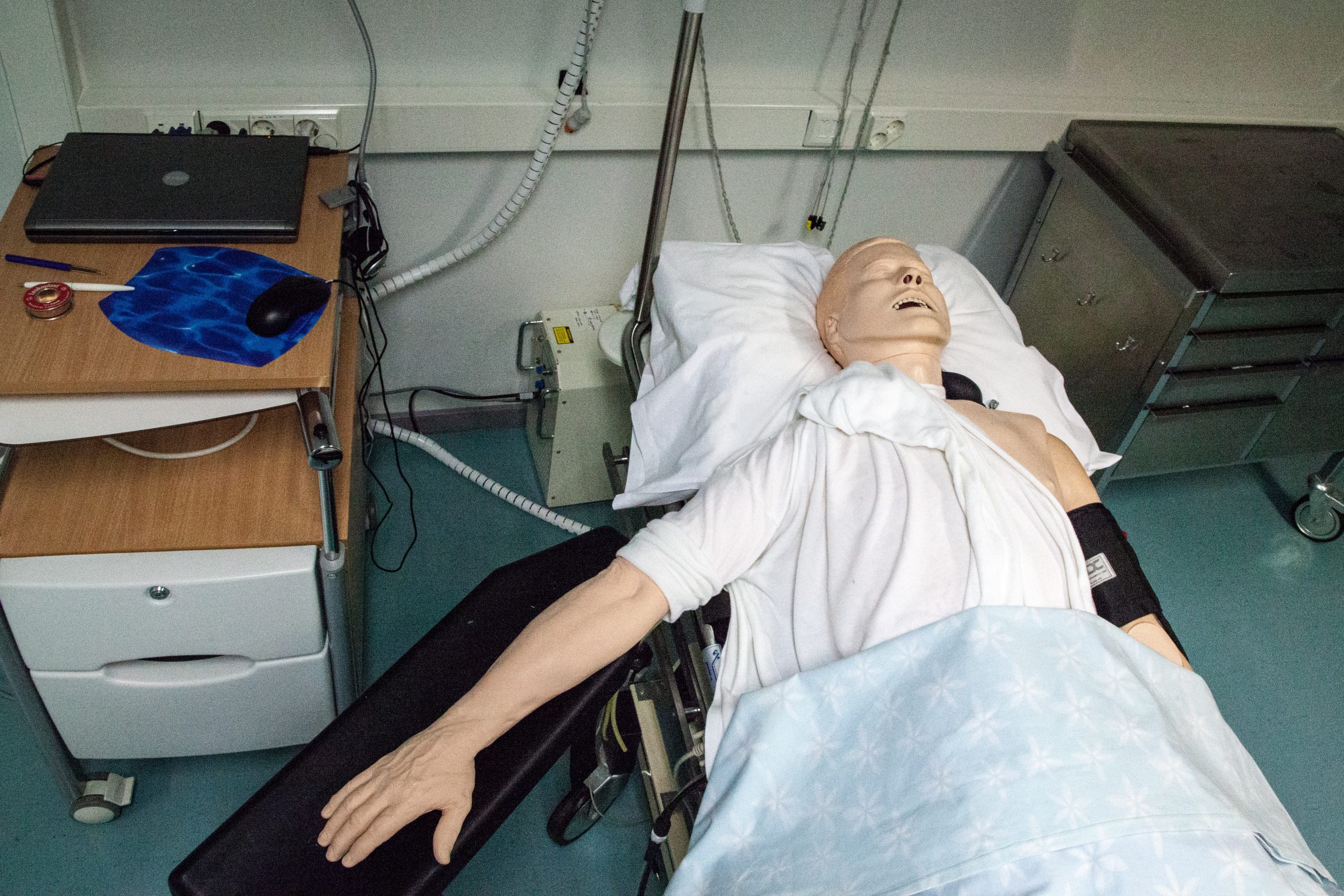 A visit to the hospital is a stressful and anxious time for patients and family members. Most people, however, assume that their doctors are competent and will administer the proper standard of care. This was not the case for Richard Smallwood.
  Some accidents are unpredictable, while others appear to be accidents waiting to happen. Having reliable witnesses, qualified experts, and an excellent attorney in either unpredictable or predictable cases could be the dividing line in determining your liability when an accident arises. For Larry Jeane, Sr. (“Mr. Jeane”), the deceased party in a two-car accident along Louisiana Highway 107, whose vehicle crossed the centerline and collided with another car carrying six adults and one minor, the courts were positioned to consider his liability after the accident.
  Allocating fault in a car accident is especially difficult when involving multiple individuals. This case illustrates how the allocation of fault affects how damages are awarded and illustrates what type of expenses are compensable.
  What happens if you are involved in a car accident where your damages exceed the auto insurance policy limits of the person responsible? One possible option is seeking coverage under your uninsured motorist insurance policy. However, questions can arise about what, if any, coverage you are entitled to if it appears the accident did not cause your injuries. Determining the scope of injuries caused by the at-issue accident can be especially complicated if you have previously been involved in other car accidents that injured you or if you have other preexisting conditions. The following case helps shed some light on these issues.
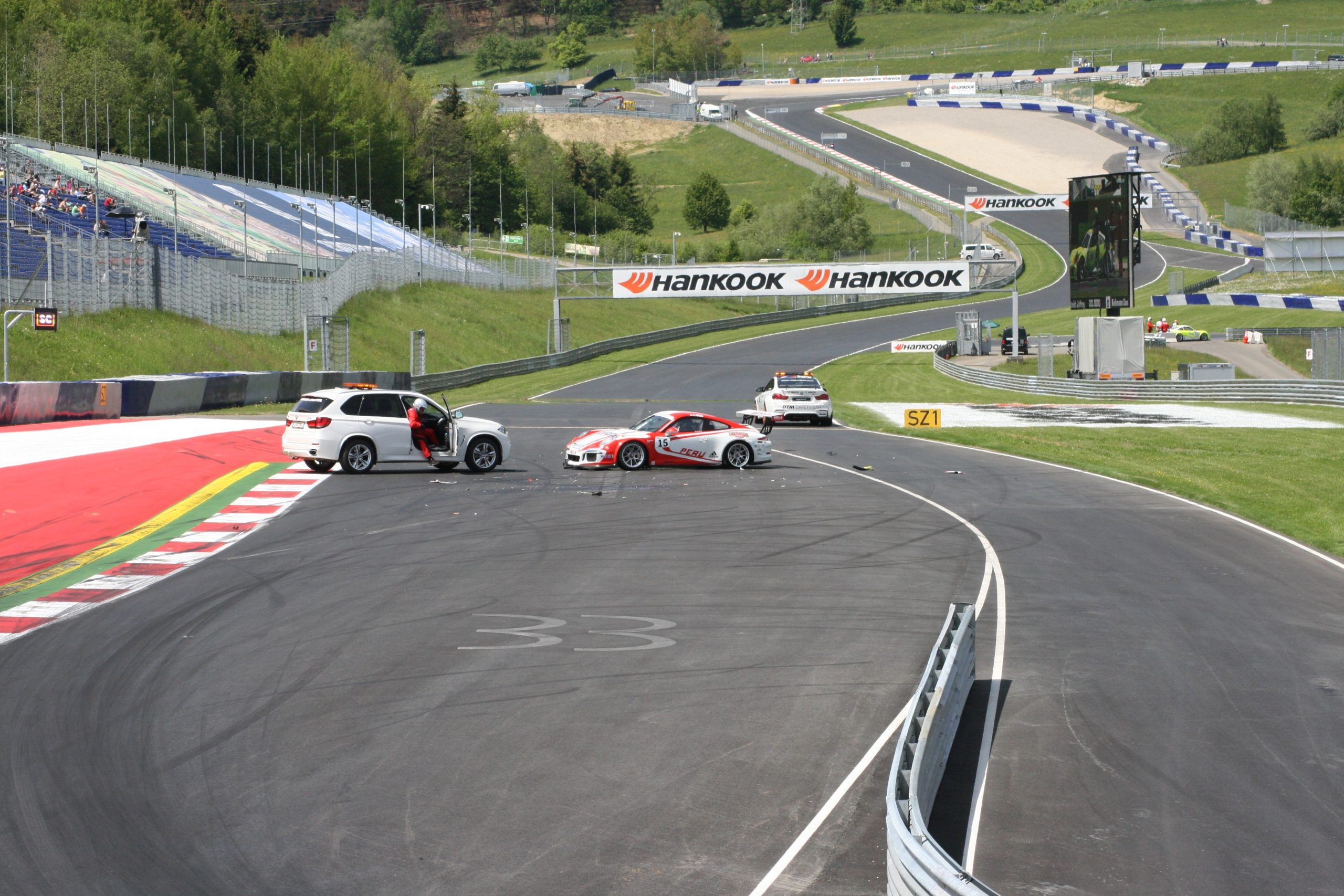 In the aftermath of a car accident, the quest for justice often extends beyond determining fault, delving into the intricate realm of calculating damages. Even when the liability is undisputed, securing compensation can be laden with legal complexities. The following case unveils the story of Shelley Cooley, a collision victim navigating the labyrinth of litigation to ascertain the rightful compensation for her injuries. The journey sheds light on the indispensable role of compelling evidence, from medical testimony to personal accounts, in establishing the magnitude of damages in the aftermath of an accident.