 In the realm of insurance claims and legal disputes, the concept of subrogation often plays a crucial role. Subrogation allows an insurer, after paying a claim to its insured, to step into the insured’s shoes and seek reimbursement from the party responsible for the loss. But what happens when the insured settles their claim directly with the at-fault party? Does the insurer lose its right to subrogation? A recent Louisiana Court of Appeals case, Louisiana Farm Bureau Casualty Insurance Company v. David Scott Burkett, et al., sheds light on this issue.
The Accident and the Claim:
The case stemmed from a car accident where Katherine Burkett, insured by Shelter Mutual Insurance Company, collided with Jessica Hall, insured by Louisiana Farm Bureau Casualty Insurance Company. Farm Bureau paid Hall $5,000 for medical expenses under her policy and became subrogated to her claim for that amount.
The Settlement and the Lawsuit:
Hall later sued the Burketts and Shelter for her injuries. However, before Farm Bureau could intervene, Hall settled her claim with Shelter for $53,500. Farm Bureau, unaware of the settlement, filed a separate lawsuit against the Burketts and Shelter to recover the $5,000 it had paid to Hall.
The Trial Court’s Decision:
The trial court granted summary judgment in favor of the defendants, stating that Hall’s settlement released them from any further liability, including Farm Bureau’s subrogation claim.
The Court of Appeals’ Reversal:
The Court of Appeals reversed this decision. It emphasized that Farm Bureau had notified Shelter of its subrogation claim well before Hall’s settlement. This prior notice prevented the defendants from using the settlement as a shield against Farm Bureau’s claim. The court highlighted that a subrogated insurer has an independent right to pursue reimbursement from the at-fault party, even if the insured has settled their claim.
Key Takeaways:
- Timely Notice is Key: Insurers must promptly notify the at-fault party’s insurer of their subrogation interest. This notice protects the insurer’s right to reimbursement, even if the insured later settles their claim.
- Subrogation is an Independent Right: Subrogation is not dependent on the insured’s actions. An insurer can pursue its subrogation claim even if the insured has settled their claim, as long as the at-fault party was previously notified of the subrogation interest.
- Understanding Solidary Obligations: In Louisiana, when multiple parties are liable for the same debt, they are considered solidary obligors. This means the creditor (in this case, Farm Bureau) can seek full payment from any of the liable parties.
The Louisiana Farm Bureau case serves as a crucial reminder for insurers to be proactive in protecting their subrogation rights. Timely notice to the at-fault party is essential to ensure that a subsequent settlement between the insured and the at-fault party does not extinguish the insurer’s right to reimbursement.
Written by Berniard Law Firm
Other Berniard Law Firm Blog Articles on Subrogation: Insurance Ruling Upholds Third-Party Fire Damage Claims and Read the Fine Print, Louisiana Court Finds Company Falls With Subrogation Waiver
 Dealing with the aftermath of a flood is never fun. This is especially true when the flood damages one of your vehicles. This is the situation Michael Jacobs found himself in after one of his cars was damaged in a flood. After a long fight with his insurance company, he eventually prevailed and was awarded damages.
  Imagine, for a moment, living a life of normalcy, the humdrum of day-to-day routines, a steady job, a peaceful existence. Suddenly, an unexpected accident shakes your world, thrusting you into the tumultuous tides of legal proceedings. This is the daunting reality Patricia and Calvin Henderson found themselves in, initiating a monumental case against Amy Lashouto and her insurer, State Farm Mutual Automobile Insurance Company (State Farm).
 Louisiana’s Workers’ Compensation fund exists to pay employees injured at work. Payment can be used for medical care and lost wages. When parties sign a settlement agreement on payment terms, an employee may assume payment is imminent. In a recent case from Rapides Parish, an employee discovered some conditions in a settlement may delay payment.
  A visit to the hospital is a stressful and anxious time for patients and family members. Most people, however, assume that their doctors are competent and will administer the proper standard of care. This was not the case for Richard Smallwood.
  Words matter, especially when it comes to trial court orders. Without the proper language, a judgment is not an appealable, valid final judgment, so an appellate court cannot consider the merits of an appeal.
  If you receive notice of a court hearing, you must pay attention to it. The following case shows the potential adverse consequences if you ignore a court hearing notice. These can include a warrant being issued for your arrest or having your lawsuit dismissed. However, the case also unveils a glimmer of hope for those entangled in such legal dilemmas, offering a glimpse into the avenues available to those who believe justice has been denied.
 Most of us get into contracts, not fully understanding all the ins and outs of what we are signing. Similarly, the multiple provisions that can slither their way into contracts can include things like forum selection clauses which can be easily overlooked. But when a lawsuit erupts, can you argue a provision isn’t applicable? The
  Sufficient evidence is required to prevail in any lawsuit. Generally, each side obtains additional evidence through the discovery process. However, what happens if a court grants a summary judgment motion for one party before the other party has time to complete adequate discovery? The following case helps answer this question.
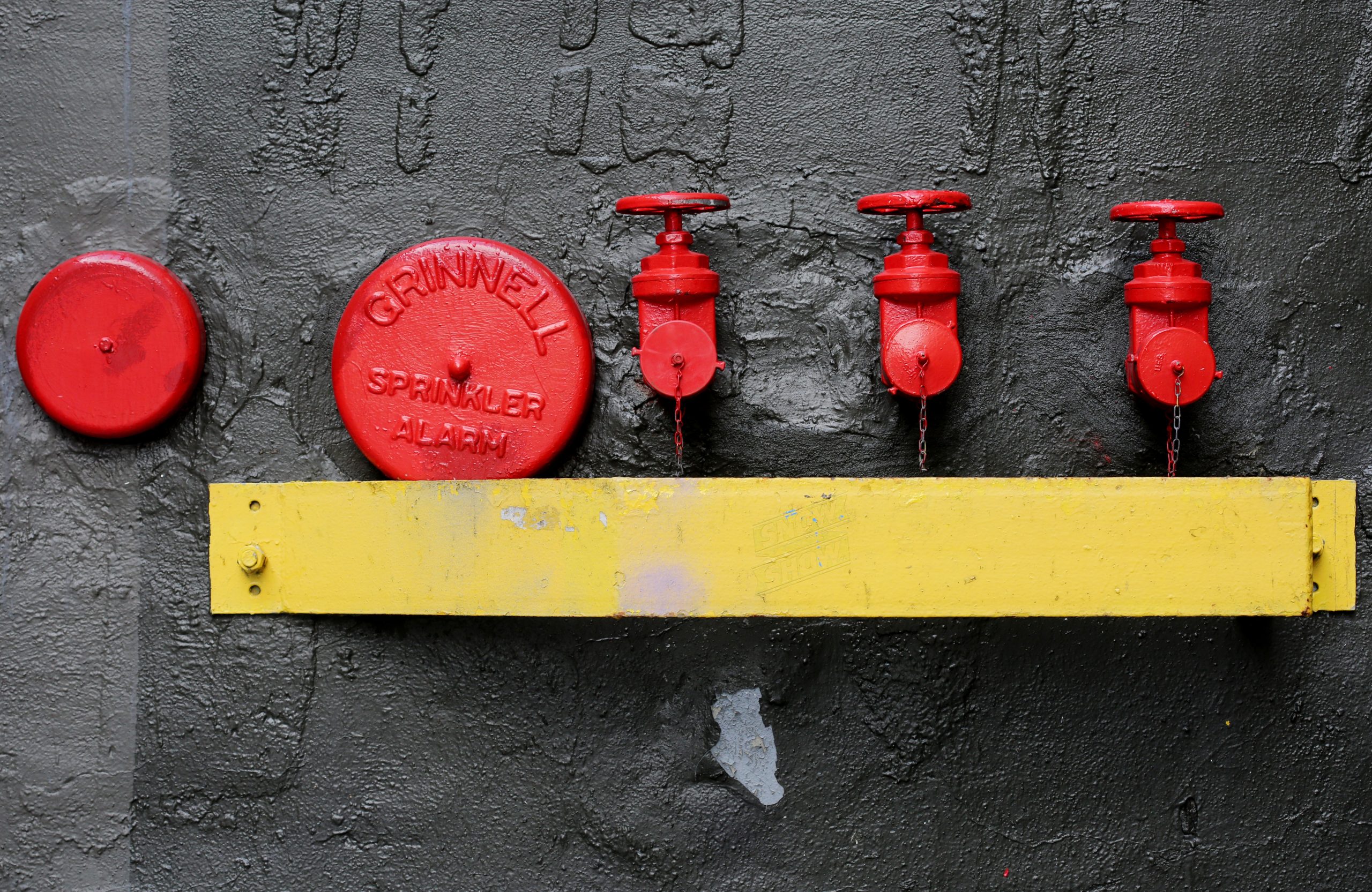 Mardi Gras, a time of joyous celebration, took an unexpected turn for a store near a French Quarter hotel when a sprinkler head malfunctioned, resulting in significant water damage. Despite the storeowner’s insurance covering the damages, a lawsuit ensued to determine the hotel’s liability for the losses incurred. This case highlights the complexities of determining responsibility and legal remedies in property damage cases, emphasizing the importance of seeking legal counsel to navigate such situations effectively.