Category: Summary Judgment

  • Hospital Not Liable For Negligent Transportation During Hurricane Katrina

    Over a decade after Hurricane Katrina, we have almost all heard of the difficult choices hospitals faced while trying to care for patients. This case involves a patient who was allegedly injured while being evacuated from a New Orleans hospital during Hurricane Katrina. 

    Lionel Favret was admitted to the hospital in New Orleans, Louisiana where he was diagnosed with a bone disease and back pain. He was treated with antibiotics and underwent back surgery. He faced a difficult recover and while in the ICU, Favret had to be resuscitated on two different occasions. 

    He was moved out of the ICU into a unit for surgery patients when Hurricane Katrina hit. Hospital employees carried Favret down several stories of stairs into the parking garage where he was eventually evacuated after over a day. When he arrived at the new hospital, he was diagnosed with fractures in his back and an infection. He underwent another back surgery. 

    Favret filed a petition for a Medical Review Panel. Favret alleged the original hospital had failed to provide him with antibiotic treatment, had jostled him while moving him to the evacuation site and did not have sufficient personnel to put him on a helicopter, and forced him to remain upright during the ten-hour ride to the other hospital. The panel found Favret did not have sufficient evidence the hospital did not meet the applicable standard of care or that it had discontinued his antibiotics. 

    Favret then filed a lawsuit in the district court under the Louisiana Medical Malpractice Act, La. R.S. 40:1299.41(A)(8), alleging his severe injuries had resulted from the hospital’s malpractice. He also brought negligent transportation and premises liability claims. 

    The hospital filed a summary judgment motion for dismissal of Favret’s medical malpractice claims, which the court granted because Favret had not provided expert testimony to establish it had breached the applicable standard of care. The court also later dismissed his negligent transportation and premises liability claims. Favret filed an appeal, arguing the trial court erred in dismissing his claims. 

    With respect to the negligent transportation claims, the appellate court looked at the statutory language of the Louisiana Medical Malpractice Act. The act explicitly states medical malpractice includes actions related to the loading or unloading of a patient. Therefore, Favret’s negligent transportation claims were medical malpractice claims. Favret had not provided sufficient evidence or testimony from medical experts to establish his claim. Therefore, the appellate court held the district court had not erred in dismissing Favret’s negligent transportation claims. 

    For Favret’s premises liability claims, the appellate court reviewed the evidence presented to the trial court about the condition of the hospital’s premises. Although Favret providing witnesses, he did not provide sufficient evidence to establish causation between the hospital’s negligence and his supposed damages. Therefore, the appellate court held the trial court did not err in dismissing Favret’s premises liability claims. 

    If you have been injured while hospitalized, a good attorney can advise you on possible medical malpractice claims, even if there were extenuating circumstances like here.

    Additional Sources: Lionel Favret, Jr. and Lynda Hannie Favret v. Touro Infirmary

    Article Written By Berniard Law Firm

    Additional Berniard Law Firm Article on Medical Malpractice: Orleans Parish Hospital Negligence Trial Concerns Medical Malpractice, Negligence, & Damage Caps

  • Insurance Coverage Turns On Distinction Between Flood Damage And Mechanical Issue

    Dealing with the aftermath of a flood is never fun. This is especially true when the flood damages one of your vehicles. This is the situation Michael Jacobs found himself in after one of his cars was damaged in a flood. After a long fight with his insurance company, he eventually prevailed and was awarded damages. 

    Jacobs owned multiple vehicles that GEICO insured. His parish in North Louisiana was affected by heavy flooding. When the flooding started, Jacobs and his brother tried to move the vehicles from his house to higher ground but were unable to remove them before the floodwaters rose, so they could not drive up to the house. Jacobs waded through the floodwater to retrieve one of the vehicles, a 2001 Honda Accord. In the days following the flood, the Honda kept overheating. Jacobs claimed this had only occurred after the flood. 

    Jacobs submitted a claim to GEICO for the damage to the vehicle. The insurance inspector did not identify any flood-related problems and determined the upper radiator hose had blown out. Another mechanic gave Jacobs an opinion and concluded there were issues with his spark plugs. GEICO ultimately denied Jacobs’ claim because it had suffered a mechanical failure that was not flood-related. Jacobs filed a lawsuit against GEICO, alleging his Honda had been damaged from the flooding. At trial, the court ruled the Honda had suffered water damage and awarded vehicle property damages and attorney fees. GEICO filed an appeal.

    On appeal, GEICO argued the trial court erred in finding it was liable because the relevant insurance policy had not been provided as evidence. The trial court record indicated GEICO had not raised issues related to insurance coverage at trial. GEICO had also not objected to letters it had sent to Jacobs recognizing “flood damage” insurance being entered as evidence. Therefore, the assumption at trial was Jacobs had flood damage coverage but not coverage for mechanical issues with the vehicle. An appellate court will generally not consider issues raised for the first time on appeal. See Costello v. Hardy. As a result, the appellate court held that the insurance policy was not introduced as evidence did not make the ruling wrong.

    GEICO also argued the trial court erred in finding the flood had damaged the Honda. The appellate court pointed to conflicting testimony at trial from different witnesses about the cause of the Honda’s damage.  An appellate court can only overturn a trial court’s factual finding if it is manifestly erroneous or clearly wrong. See Cole v. State, Dept. of Public Safety and Corr. The trial court appeared to have found the witness who testified the flooding had caused the Honda’s damage to be more credible. Because there was nothing clearly wrong or erroneous in the trial court’s finding, the appellate court did not disturb the trial court’s finding.

    As seen here, although GEICO initially denied Jacobs’ claim, Jacobs prevailed at trial. If you feel like your insurance company has improperly denied a claim, an experienced attorney can advise you on possible legal remedies. 

    Additional Sources: Michael J. Jacobs v. GEICO Indemnity Co.

    Article Written By Berniard Law Firm

    Additional Berniard Law Firm Article on Insurance Coverage for Flood Damage: Homeowners Recover Full Amount of Wood Floor Damages, and Home Insurance Company is Sanctioned for Delay

    Dealing with Flood Damaged Property? Be Prepared to Show Causation

  • Doctor Held Not Vicariously Liable For Physical Therapist’s Actions by Louisiana Court

    When you think about medical malpractice lawsuits, a botched surgery or missed diagnosis are likely the first things that come to mind. The following case involves a less common situation involving purported medical malpractice involving physical therapy post-surgery. It analyzes the relationship between a doctor and a physical therapist and whether a doctor can be vicariously liable for the actions of a physical therapist.

    Jean McKeogh underwent a total shoulder arthroplasty, which Dr. Michael O’Brien performed. Following the surgery, Dr. O’Brien saw McKeogh for office visits at a Tulane University clinic. Part of McKeogh’s follow-up care involved physical therapy, which was located in the same building as Dr. O’Brien’s offices. McKeogh went to physical therapy but subsequently told Dr. O’Brien she thought she had been injured during it. A CT scan showed she had fractured her elbow. McKeough then had a frozen shoulder and had to have a second surgery. 

    As a result of the injury and alleged negligence, McKeough requested a medical review panel. In her complaint, she claimed Dr. O’Brien had not used reasonable care with respect to his post-surgery care for her, including with respect to the physical therapy he prescribed. The medical review panel determined Robin Silverman, the physical therapist, had not satisfied the applicable standard of care. However, the medical review panel found there was no evidence to support a finding that Dr. Brien and Tulane had not met the applicable standard of care. 

    McKeough then filed a lawsuit against Dr. O’Brien, Tulane, and others. She repeated her allegations from the medical review panel. McKeough also claimed Dr. O’Brian and Tulane were vicariously liable for the physical therapist’s actions. Dr. O’Brien and Tulane filed a summary judgment motion. They argued McKeogh did not have an expert, as necessary to establish there had been medical malpractice, and had not established Dr. O’Brien and the physical therapists had an employee-employe relationship such that Dr. O’Brien could be vicariously liable for the physical therapist’s actions. The trial court granted Dr. O’Brien and Tulane’s summary judgment motion. The court explained under La. C.C. art. 2320, an employer can only be liable for its employee’s acts, not a third party’s acts. McKeough appealed. 

    Under Marchetta v. CPC of Louisiana, Inc., in medical malpractice lawsuits, the most important factor to determine if there is an employer-employee relationship is whether the purported employer can control the employee’s work. Here, Dr. O’Brien’s deposition testimony and other evidence did not indicate there was an employee-employer relationship between him and the physical therapist. For example, Dr. O’Brien testified he did not have supervision of the physical therapy and did not have the authority to direct or dismiss a physical therapist employed by third parties. The only “control” Dr. O’Brien had was the ability to recommend patients to a physical therapy center. Therefore, the appellate court affirmed the trial court’s grant of Dr. O’Brien’s summary judgment motion because there was no evidence Dr. O’Brien could supervise or control the physical therapist such that he could be vicariously liable for the physical therapist’s actions. 

    In medical settings, there are often multiple care providers involved. If you are considering filing a medical malpractice lawsuit, it is important to consult with an experienced medical malpractice attorney about the roles of the involved medical professionals to determine who to file claims against in your lawsuit. 

    Additional Sources: Jean Montedonico McKeogh v. Healthcare Indemnity Inc., University Healthcare Systems, LC, Robin A. Silverman, The Administrators of the Tulane Education Fund, and Michael O’Brien

    Article Written By Berniard Law Firm

    Additional Berniard Law Firm Article on Vicarious Liability: Vicarious Liability Doesn’t Always Extend Liability for an Employees Actions

  • Management Company Not Qualified As Additional Insured In Cleaning Company’s Insurance Policy

    It can be challenging to interpret insurance policies, especially when they involve complex provisions such as coverage for an additional insured. Before signing an insurance policy, it is imperative to understand its language and what it does and does not cover. Here, the plain language of the insurance policy proved instrumental in the appellate court’s ruling.

    Pamela Sloane was injured while working for Integrity Cleaning Services (“Integrity”) at Forestwood Apartments. She was cleaning a ceiling fan while standing on a ladder. She inadvertently touched an exposed wire, which electrocuted her, and she fell from the ladder. Sloane filed a lawsuit against CLK Multifamily Management (“CLK”) and others. Sloane claimed CLK had not adequately maintained the premises or warned of the dangerous condition of the exposed wire. CLK filed its answer to the lawsuit, denying the allegations, and added Travelers Indemnity (“Travelers”) to the lawsuit.  CLK claimed Integrity was contractually required to have a general liability insurance policy that covered CLK as additional insureds. 

    Travelers filed a summary judgment motion, claiming CLK was not an additional insured under the policy. Travelers attached a copy of the relevant insurance policy to its summary judgment motion. CLK disagreed and claimed it was indeed an additional insured.  The trial court concluded CLK was not qualified as an additional insured and granted Travelers’ summary judgment motion. 

    An insurance policy is a contract interpreted using general contractual interpretation rules.   Under La. C.C. art. 2045, the court’s role is to determine the parties’ common intent.  To do so, courts look first at the insurance policy’s language. See La. C.C. art. 2046. Here, CLK had the burden of proving the applicable insurance policy covered it because it was the party claiming to be covered by the insurance policy. 

    The court analyzed the additional insured provision of the insurance policy. While CLK and Travelers did not disagree that Integrity had agreed to have its insurance cover CLK as an additional insured, they disputed the scope of coverage and whether CLK qualified.  In interpreting the plain language of the insurance policy, the court concluded the policy only applied to CLK when Integrity would have been vicariously liable for something Integrity had done or had failed to do. 

    In this case, Sloane’s allegations would have involved something CLK had independently done or failed to do, not an act or omission of Integrity. Given the circumstances of Sloane’s injuries involving the exposed wire, Integrity could not be liable for her injuries, such as if Integrity had not properly trained Sloane how to clean a ceiling fan.  Therefore, the appellate court affirmed the trial court’s grant of Travelers’ summary judgment motion.

    As seen in this case, it was insufficient for CLK to confirm the insurance policy had an additional insured provision. Instead, CLK needed to read and understand the specific requirements for applying the provision. An experienced insurance claim attorney can help advise you on insurance policies so you know what the policy does and does not cover. 

    Additional Sources: Pamela Sloane v. Forestwoods Apartments/Baton Rouse, LTD., CLK Multifamily Management, LLC and Aspen American Ins. Co.

    Article Written By Berniard Law Firm

    Additional Berniard Law Firm Article on Insurance Coverage: Understanding Insurance Exclusions: A Case of Property Damage Coverage for Borrowed Cars

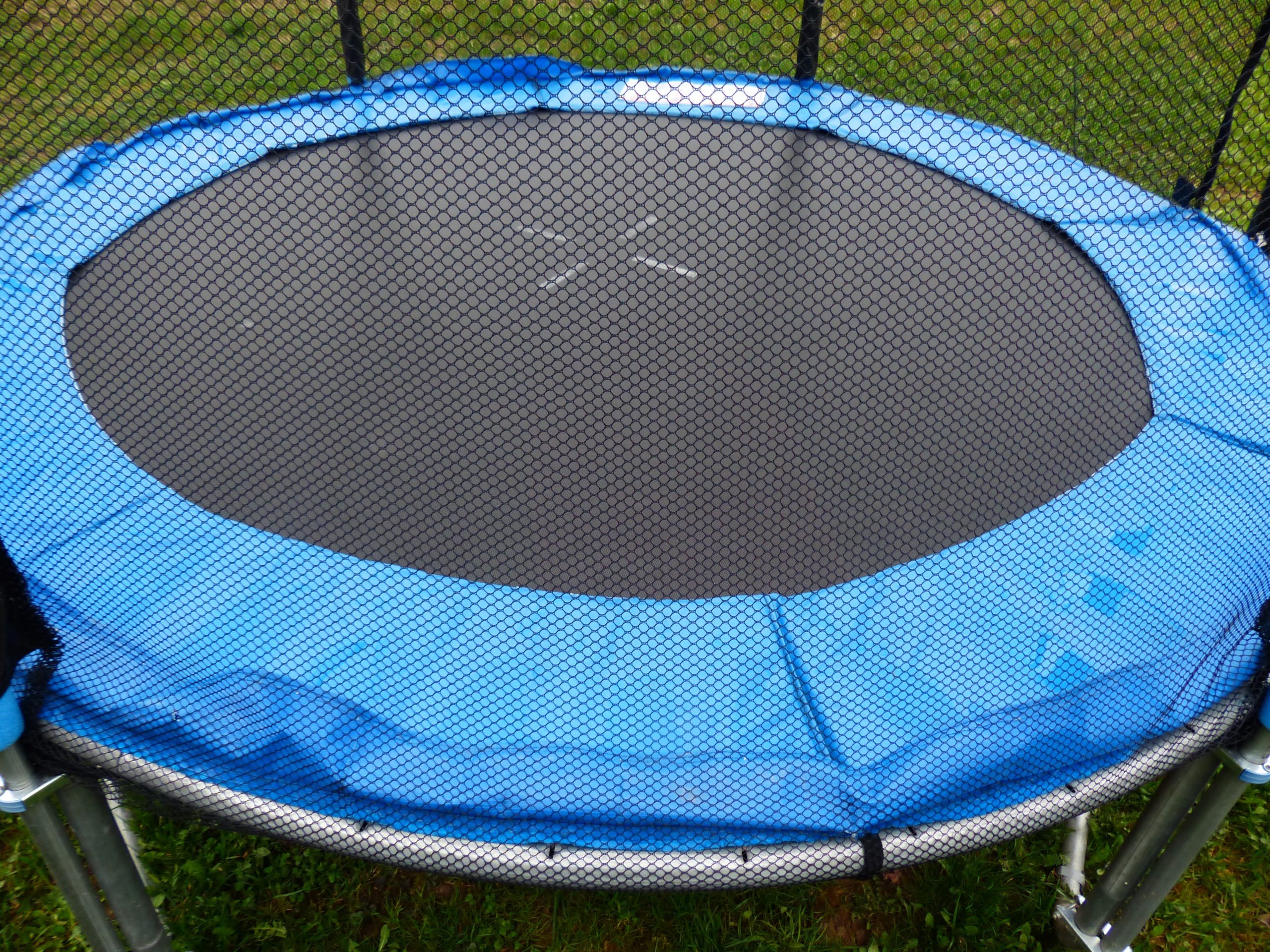
  • Louisiana Court Says Trampoline Injury Not Caused by Defect in Shreveport Trampoline Park

    Sometimes, those delightful recreational activities we all enjoy carry an inherent risk. Often, we assume the risk of those injuries when we engage in that potentially reckless conduct. Knowing your legal options following these injuries is necessary, mainly because recovering for these somewhat ordinary injuries can be difficult. What does it look like when a party cannot recover for a recreational injury–here, an injury from a trampoline park visit?

    Kurt and Tabitha Perkins visited a Shreveport indoor trampoline park, Air U. Kurt was injured while at Air U, and he was relatively young, had no known or apparent medical issues before the injury, and had done some time with the U.S. Marine Corps. The Perkinses filed a lawsuit against Air U and other parties, namely insurance companies and Air U’s unidentified employees. 

    Kurt stated in a deposition that he did not know why his left knee gave out when jumping on the trampoline, as he had no other injuries or treatment to his left leg. The other patrons at the trampoline park, mostly young kids, had no trouble jumping on the trampoline. Kurt and Tabitha stated that they did not notice any defects on the trampoline and that Kurt jumped normally when he was hurt. Tabitha also said that an Air U employee did not call an ambulance because he was not a manager. 

    One of Air U’s owners, Mr. Murphy, stated that the other owners had vast experience with trampolines, but Air U did not have liability insurance when Kurt was injured. Murphy further said that patrons at Air U are repeatedly shown the park’s rules and must sign a waiver, which Kurt did. Additionally, Murphy stated that Air U trampolines are tested twice weekly for proper tension every day and for proper structure. 

    Dr. Gerald George, a Ph.D. in biomechanics, inspected Air U for the plaintiffs and stated in his affidavit that Kurt’s injuries were consistent with what one could expect from the unreasonably dangerous activity of jumping on trampolines. 

    Air U filed a motion for summary judgment. At the motion’s hearing, the Perkinses argued that the design of the trampoline park was inherently defective and dangerous, particularly the mounting of the wall trampolines at angles. Air U argued in response that the defects alleged by the Perkinses were irrelevant because Kurt was jumping up and down on a floor trampoline when he was injured. 

    The trial court, Parish of Caddo, partially granted Air U’s motion for summary judgment and dismissed part of Perkins’ claims. The Perkinses appealed that decision by the trial court and brought the case to the Second Circuit. 

    A court should grant a motion for summary judgment if the record shows no genuine issue of material fact. La. C.C.P. art. 966. The party moving for summary judgment is burdened with no factual support for at least one element of the other party’s claim. Upon that showing, the nonmoving party must produce factual support for that questionable element to prevent summary judgment. La. C.C.P. art. 966(D)(1). Appellate courts reviewing summary judgment rulings should use the same criteria used by the trial court and assess the record anew to determine if summary judgment was appropriate.

    In their appeal, the Perkinses argued that the possible defective design, installation, and inspection of the Air U trampolines were all still disputed and could have created an unreasonable risk of harm. The Perkinses further argue that they have sufficient evidence to support this claim and show a dispute of material fact, thus barring summary judgment. The Perkinses’ claim of the trampoline’s risky defects is outlined in La. C.C. arts. 2317 and 2317(1). Ultimately, a plaintiff seeking damages caused by a defect has to prove four things: (1) the defecting thing was in the defendant’s control, (2) the thing unreasonably risked harm to others due to a defect, (3) the defect caused the damage or injury, and (4) the defendant knew, or should have known, that the defect existed. Wells v. Town of Delhi

    Determining whether the defective thing is in the defendant’s custody is determined by considering if the defendant has the right of direction or control over the thing and if there is any benefit the defendant gets from that thing. Barnes v. Riverwood Apartments P’ship. The Second Circuit determined that Air U was in custody of the potentially defective trampoline because Air U owns and maintains the trampolines and gets revenues from controlling those trampolines. 

    A thing is defective if there is a condition that creates an unreasonable risk of harm to others using ordinary care and caution. Lawrence v. Sanders. To assess if something creates an unreasonable risk of harm, the social value and utility of the thing must be weighed against its possible danger to others. This balancing test can be done through several factors, such as whether the possible danger is obvious to potential victims of that danger, or perhaps whether there is a history of accidents related to the alleged defect. Moore v. Oak Meadows Apartments. The Perkinses argued that the entire Air U park was dangerous and defective, so the Second Circuit had to consider whether the social utility of the park outweighed its potential harm to patrons. Evidence indicated that Air U had a high social utility for its 90,000 patrons of all ages and that Air U had a history of 88 documented injuries in its first nine months of operation, a rate below the national average in the trampoline park industry. Accordingly, the court determined that the park’s utility outweighed its harm, and thus, the Perkinses did not show a defect in Air U. Because the Perkinses failed to prove this second element of La. C.C. art, 2317(1), their claim fell short. 

    The Perkinses also claimed that the trial court failed to apply res ipsa loquitur when it granted summary judgment. Res ipsa loquitur is a doctrine of negligence that applies when the plaintiff uses circumstantial evidence to show the defendant’s negligent conduct. Res ipsa applies when (1) the injury would not generally occur without negligence, (2) the evidence should sufficiently show that negligence was the cause of the injury, and (3) the defendant’s negligence must fall under the defendant’s duty owed to the plaintiff. Linnear v. Centerpoint Energy Entex/Reliant Energy. The court assessed the applicability of res ipsa to Kurt’s injury and found that an injury to the knee due to jumping on a trampoline is not such an extraordinary injury that it indicates the trampoline owner’s negligence. Accordingly, the Second Circuit determined that res ipsa did not apply to deem Air U negligent concerning their trampolines. 

    Everyday recreational activities often bear the risk of injury, but people still engage in those activities. When those people get injured during those activities, it is essential that they acquire counsel to help them navigate the problematic injury of recovery–both legal and monetary recovery, as well as physical. The areas of defective conditions and unreasonable risks are murky, and getting knowledgeable representation is vital to your best outcome in court. 

    Additional Sources: Perkins v. Air U Shreveport, LLC

    Written By Berniard Law Firm

    Additional Berniard Law Firm Article on Defects: City’s Liability for a Child’s Fall on a Defective Sidewalk

  • Libel in the Limelight: A Deep Dive into the Intricacies of Defamation Laws in the Modern World

    Picture this: you’re enjoying your daily dose of local news when your name surfaces amidst a hailstorm of defamatory allegations. Your reputation takes a blow, and you decide to fight back by filing a lawsuit. This might sound like a gripping storyline from a TV courtroom drama, but for Mary R, this was a harsh reality. Today we’ll delve into her case, a fascinating battle highlighting the intriguing intersections between public figures, free speech, and defamation law.
    The otherwise bustling city of Baton Rouge, home to the Louisiana State University Tigers and famed for its vibrant Mardi Gras celebrations, became the backdrop of a less joyous event. It was here that Mary R found herself at the center of a legal maelstrom against John L and the consolidated governing body of the city itself. Mary R’s contention? She claimed that John L had cast aspersions on her, uttering false statements that tarnished her good name, while the city officials who could have reined in these allegations simply looked the other way. The case thus began, a small David standing against a massive municipal Goliath.”

    Mrs. R had filed a lawsuit, claiming John L had made false and defamatory statements about her, while the members of the City Parish who could have prevented such defamation failed to do so. The defendants filed a special motion to strike, and the trial court dismissed Mary R’s claims with prejudice in July 2015.

    In a later development, the defendants filed a motion to fix costs and for an award of attorney fees and costs, which the trial court granted. Mary R appealed this judgment, leading us to the crux of the case.

    Mary R alleged that the trial court had abused its discretion in awarding attorney fees and costs, as her lawsuit was not baseless, nor was it instituted to chill speech. The Court of Appeals found that these allegations fell flat under Louisiana Law. To explain, the state’s civil procedure unambiguously states that fees can be awarded if you win a motion to strike.” LA Code Civ Pro 971

    Moreover, the Court added that the statute’s goal was to screen out meritless claims pursued to chill one’ s constitutional rights under the First Amendment of the United States Constitution to freedom of speech and press. In re Succession of Carroll. As such, this left no room for discretion. Hence the Court found no abuse of power in awarding attorney fees and costs to the defendants.

    Mary R also contended the awarded amount was exorbitant, unreasonable, and thus an abuse of discretion. However, this Court upheld that an award consistent with the affidavit submitted by the defendant establishing the amount of legal work performed and the costs associated in addition to that was Mary R and not an abuse of the trial court’s discretion. 

    This appeal shows the importance of transparency in billing practices and the need for clear communication between clients and their attorneys. While Mary R’s major allegations were dismissed, the court’s decision to amend the awarded sum is a subtle reminder of the attorney-client trust’s sanctity and the obligation of attorneys to ensure their bills are accurate and justified.

    As an excellent attorney would confirm, in the complex web of legal proceedings, it’s about winning a case and upholding the highest standards of professional conduct and client service. As such, it is advised to approach a good lawyer or an excellent attorney who understands the nuances of laws and ensures all parties interests are protected.

    Additional Source: MARY R V. JOHN L AND THE CONSOLIDATED GOVERNING BODY OF THE CITY OF BATON ROUGE AND C THE PARISH OF EAST BATON ROUGE

    Written by Brian Nguyen

    Additional Berniard Law Firm Article on Defamation: Louisiana Court Requires Falsity Finding in Lawyer’s Defamation Lawsuit

  • Liability in Product-Related Injury Cases: Key Legal Questions and Liability Theories

    When an injury related to a product occurs, assigning fault can involve multiple parties. In personal injury litigation, crucial legal questions arise regarding whom the plaintiff can seek compensation from, if anyone, and the underlying theory of liability. The following case offers a valuable exploration of common liability theories often encountered in product-related injury cases.

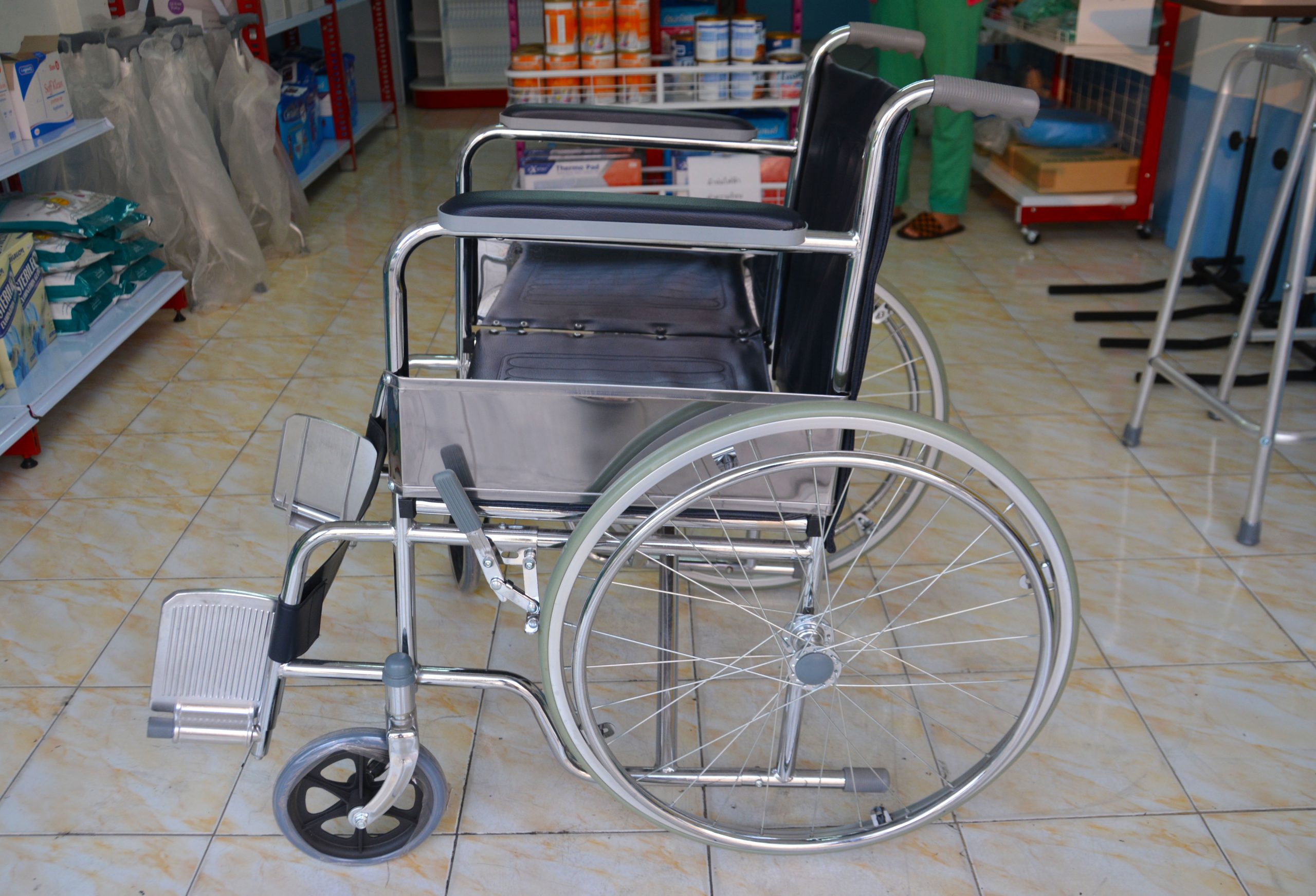
    During their stay at a PNK Lake Charles, L.L.C. casino hotel (from now on “PNK”) in July 2015, Anthony Luna, who had limited mobility due to a recent knee surgery, was provided a wheelchair by a PNK employee. While being pushed to their hotel room by one of his children, the wheelchair suddenly stopped, jamming Luna’s foot. Luna inspected the wheelchair but found nothing amiss. However, during another ride, the wheelchair abruptly stopped again, breaking the front left wheel in half and collapsing.

    Anthony and Dana Luna and their minor children filed a lawsuit against PNK, alleging negligence and seeking damages under La. C.C.P. art 2315 and La. C.C.P. art 2317. They claimed that PNK’s negligence in providing a defective wheelchair caused injuries to Luna, hindering his recovery following knee surgery.

    To establish custodial liability in Louisiana, the plaintiffs needed to prove four elements: (1) PNK had custody of the wheelchair; (2) the wheelchair had a defect posing an unreasonable risk of harm; (3) the defect caused the damage; and (4) PNK knew or should have known about the defect. The plaintiffs also invoked the doctrine of res ipsa loquitur, which allows the court to infer negligence if the facts indicate that PNK’s negligence was more probable than not the cause of the injury. See Cormier v. Dolgencorp, Inc

    The Fifth Circuit reviewed the district court’s grant of summary judgment de novo, applying state substantive law. The court found the lack of inspection by PNK did not establish constructive knowledge of the defect since no evidence indicated that an inspection would have revealed it. Luna had inspected the wheelchair himself after the initial incident and found nothing wrong. Consequently, the lack of inspection did not prove constructive knowledge.

    The court also determined that res ipsa loquitur did not apply because the inference of a hidden defect was equally as likely as the inference that a detectable defect caused the accident. As a result, the court affirmed the district court’s decision to grant summary judgment in favor of PNK and Zurich.

    This case shows the complexities surrounding assigning liability in product-related injury cases. This case is a valuable reference in understanding the legal intricacies surrounding product-related injuries and the burden of proof required to seek compensation from the parties involved. It also helps show the need for experienced counsel when proceeding with a product liability lawsuit in court. 

    Additional Source: ANTHONY R. LUNA v. P N K LAKE CHARLES L.L.C.

    Written by Berniard Law Firm Blog Writer: Juliana Greco 

    Additional Berniard Law Firm Article on Product Liability Claims: Louisiana Court of Appeal Discusses Theories of Liability in Products-Related Injury Case

  • Attack Of The Campaign Ads: What Constitutes Defamation In Political Ads?

    Personal attacks often take center stage in the tumultuous arena of modern political campaigns, leaving no stone unturned and no reputation untouched. Yet, amidst this well-trodden path of character assaults, a unique legal battle emerges, where the crosshairs were not directed at a political rival but rather a candidate’s ex-spouse. In a case that blurs the lines between public discourse and private matters, the spotlight falls on the intersection of defamation claims and the exercise of free speech. Can a campaign ad’s accusations against an ex-spouse be enough to launch a successful legal battle?

    Nicholas Schittone filed a lawsuit against Brooke Stoma, Candyce Perret, and Perret for Judge Campaign, LLC for defamation related to a commercial advertisement that ran on television and radio related to Perret’s candidacy in an election for an open judgeship position on the Third Circuit Court of Appeal in Louisiana. Schittone claimed the advertisements included defamatory statements that accused him of being abusive to his child and ex-wife, Stoma. He admitted his name was not used in the advertisement but claimed the content made it obvious to those who knew him that the accusations related to him. 

    The defendants filed a special motion to strike under La. C.C.P. art. 971 and claimed Schittone’s lawsuit should be dismissed because he could not meet his burden that he was likely to succeed in his claim on the merits. The trial court denied the defendant’s special motion to strike, finding Schittone was not running for office, so the issues in the campaign were not of public interest or concern, so the commercial did not relate to their exercise of free speech. The trial court also awarded Schittone attorneys’ fees. The defendants filed an appeal.

    On appeal, the defendants argued the trial court erred in finding the lawsuit did not arise from an act related to the exercise of free speech and in denying their special motion to strike. Under La. C.C.P. art. 971, a lawsuit arising from a person’s exercise of free speech is subject to a special motion to strike unless it is shown the plaintiff is likely to succeed on the merits of the case. The appellate court explained La. C.C.P. art. 971 applies to narrow situations to avoid chilling people’s First Amendment rights. See Stabiler v. Louisiana Business, Inc.

    The appellate court explained although the commercial mentioned a private issue, the main fore of the at-issue speech related to the campaign for a judicial office, which was of public concern. Therefore, the trial court erred in finding the speech in the commercial was not the subject of a special motion to strike. Consequently, the appellate court reversed the trial court’s judgment denying the defendants’ special motion to strike. 

    The appellate court could not analyze Schittone’s probability of succeeding on the merits of his claim because no evidence had yet been presented. So, the appellate court remanded the case to the trial court to determine whether Schittone had presented sufficient evidence to establish his probability of success on the merits and the award of attorneys’ fees.

    The case of Nicholas Schittone and the campaign ad that thrust his personal life into the public sphere serves as a reminder of the intricate balance between free speech and defamation claims. In the arena where political ambitions clash, and the battleground is strewn with cutting and calculating words, the First Amendment finds itself both shield and sword. When defamation rears its head, seeking legal guidance becomes imperative. A seasoned attorney can unravel the complexities, clarifying the avenues of recourse, such as the unique mechanism of a special motion to strike. So, if your reputation finds itself under assault or if you stand accused in the tumult of public discourse, remember that legal expertise can be the compass guiding you through the uncharted waters of speech, opinion, and justice.

    Additional Sources: Nicholas J. Schittone v. Brooke R. Stoma and Candyce Perret

    Article Written By Berniard Law Firm

    Additional Berniard Law Firm Article on Defamation: Court Dismisses Priest’s Defamation Suit Because of Its Likelihood of Failure

  • Unveiling the Struggle for Accessibility: Lawsuit Dismissal Sheds Light on Systemic Challenges

    Imagine the hardships of being denied basic necessities solely because of a disability. In such cases, how can individuals with disabilities navigate the legal system to seek justice and equal treatment? These questions gain significant relevance when we examine recent allegations of denied accommodations and rights violations. This situation sheds light on the challenges confronted by individuals with disabilities and raises important considerations regarding the responsibility of institutions to provide reasonable accommodations. The pursuit of justice and equal rights is a fundamental principle in any democratic society, yet there are instances where individuals encounter substantial obstacles, particularly in cases involving accessibility rights.
    Sherman Mealy, a paraplegic confined to a wheelchair, faced significant difficulties while in East Baton Rouge Parish Prison. After his release, he filed a lawsuit against Sheriff Sid J. Gautreaux III, the City, and Parish. Mealy alleged that he was denied wheelchair-accessible showers and had to rely on other inmates for assistance. He also claimed that he was denied crucial medical supplies, resulting in physical injury, property damage, and emotional distress.

    Mealy’s lawsuit was based on violations of the Americans with Disabilities Act (ADA), Rehabilitation Act, and 42 U.S.C. § 1983. The ADA, Rehabilitation Act, and 42 U.S.C. § 1983 aim to protect the rights of individuals with disabilities. These laws ensure equal access to public services, prohibit disability-based discrimination and enable individuals to seek remedies for rights violations. Mealy argued that the defendants failed to provide reasonable accommodations for his disability. Denying him wheelchair-accessible showers and essential medical supplies worsened the challenges he faced during his incarceration. 

    Both defendants moved to dismiss. The district court partially granted the defendant’s motion to dismiss and allowed certain claims to proceed. However, the City and Parish appealed the decision. The City and Parish argued Mealy did not sufficiently plead discrimination and they were not responsible for running the prison. 

    However, the appeals court reasoned those arguments go to the core of the case, which revolves around whether the City and Parish discriminated against Mealy by failing to reasonably accommodate him. Pan E. Expl. Co. v. Hufo Oils. The district court’s order rejecting those arguments was intermingled with the factual and legal issues surrounding Mealy’s case. The appeals court held the denial of the motion to dismiss is not effectively unreviewable on appeal from a final judgment, as it will merge into the final judgment. The appeals court had the authority to direct the district court to dismiss if there was an erroneous denial. Therefore, lacking jurisdiction, the appeal was dismissed.

    The dismissal of Sherman Mealy’s lawsuit based on jurisdictional grounds highlights the intricate and intertwined nature of the legal arguments surrounding his claims. Mealy’s allegations of discrimination and the failure to provide reasonable accommodations for his disability lie at the heart of the case. While the City and Parish contended that Mealy had not adequately pleaded discrimination and they were not responsible for the prison’s administration, these arguments were deemed inseparable from the factual and legal issues surrounding the case. Ultimately, the lack of jurisdiction led to the dismissal of the appeal, emphasizing the importance of addressing accessibility rights and ensuring equal treatment and opportunities for individuals with disabilities within the legal system.

    Additional Source: SHERMAN MEALY, v. THE CITY/PARISH OF EAST BATON ROUGE 

    Written by Berniard Law Firm Blog Writer: Juliana Greco 

    Additional Berniard Law Firm Article on Louisiana Civil Matter Cases : Proving ADA Violations: Sufficient Evidence is Required for Discrimination Lawsuits and Appellate Court Says Pro Se Plaintiff Can Proceed With State Law Discrimination Claims Against Tulane Hospital

  • Louisiana Appellate Court Cannot Review Merits Of Case Without Final Valid Judgment

    Mistakes are inevitable in human experiences, but some mistakes can have significant legal consequences. Just like regular folks, courts are infallible and make mistakes as well. What happens when a court fails to include all required information in a judgment? Such a failure creates confusion and can impede the appeals process and delay justice for the parties involved, as seen in the following case.

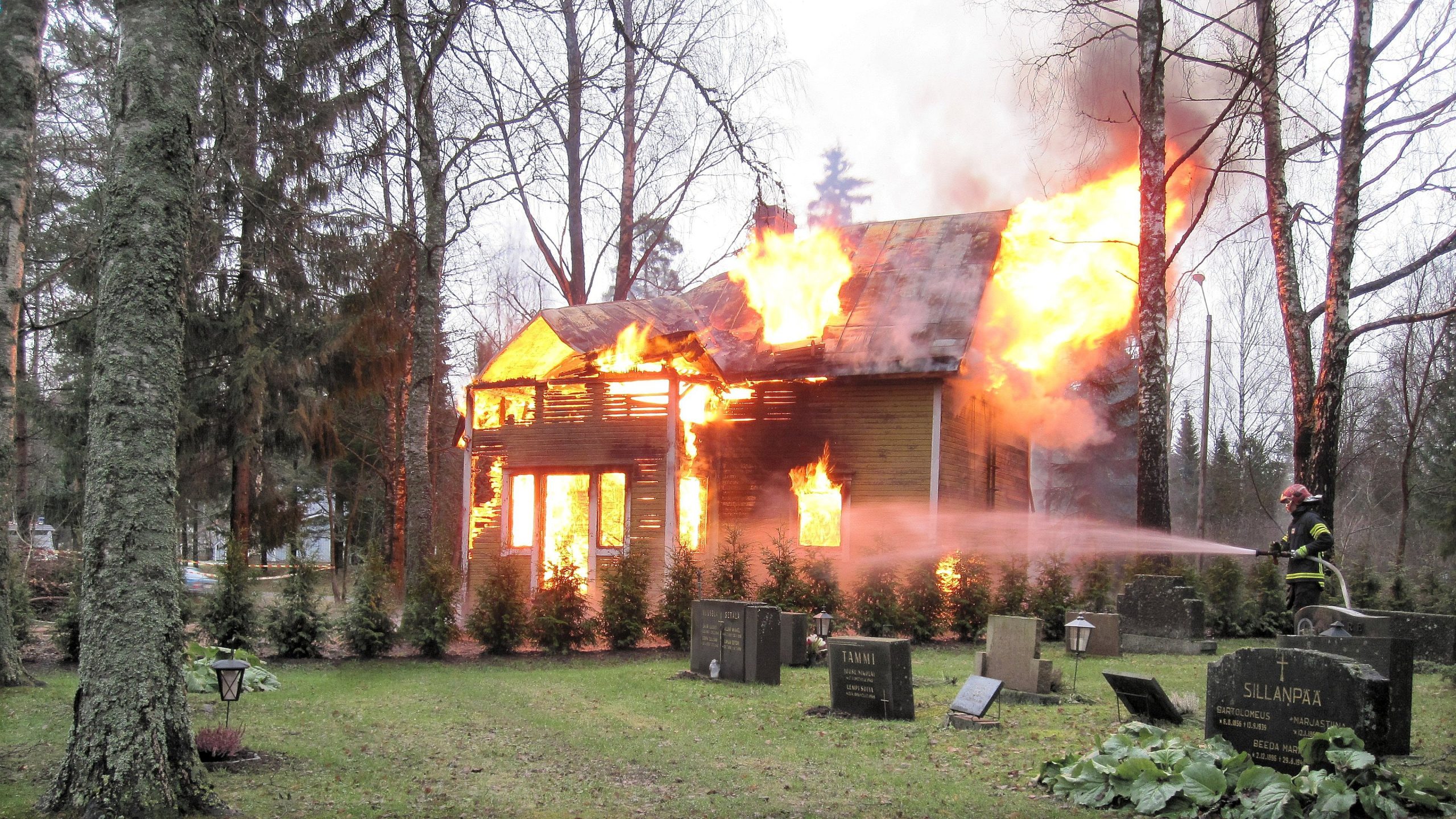
    Unfortunately, a house fire occurred at the home where Thomas Bayer and Laura Kelley resided. The fire resulted from a gas explosion that occurred while employees of Cimarron Underground were working on a gas meter on the property. They cut a gas line, resulting in a fire. As a result of the fire, Bayer and Kelly had to vacate their property for several weeks while the house underwent repairs. 

    Bayer and Kelly filed a lawsuit against Cimarron Underground, their insurance company Starr Indemnity & Liability, and others, claiming the defendant’s negligence caused the fire and resulting injuries and inconvenience. Cimarron Underground filed a summary judgment motion. The trial court held a hearing, where it orally granted Cimarron Underground’s summary judgment motion. 

    However, the trial court’s written judgment stated that it was denying Bayer’s summary judgment motion. The trial court subsequently signed an order setting aside its written motion, noting it mistakenly said plaintiffs instead of defendants and indicated a judgment opposite of its oral ruling. The trial court also issued an amended judgment to correct the errors in its original judgment. Bayer then filed a motion for a new trial, which the trial court denied. Bayer then appealed. 

    On appeal, the court first had to consider whether there was a valid final judgment such that it had jurisdiction to hear the appeal. To be valid, a judgment must be precise, definite, and certain and must explicitly indicate the outcome. See Urquhart v. Spencer. Specifically, the final judgment must: (1) name the party in whose favor the court ruled; (2) name the party against whom the court ruled; and (3) specifically state the relief granted or denied. See Freeman v. Phillips 66 Co.

    The trial court’s judgment did not specifically identify the defendants in whom favor it was granting summary judgment. The judgment also did not state the specific relief it was granting. For example, the judgment did not specifically state which claims or issues were being disposed of. Therefore, there was no valid final judgment, so the appellate court did not have jurisdiction to review the case on its merits. 

    The appellate court noted in some situations where the judgment on appeal is not final and appealable, it has converted the appeal to an application for supervisory writs. However, the appellate court declined to do so here. Therefore, the appellate court dismissed the appeal and sent it back to the trial court until there was a final appealable judgment. 

    This case highlights the vital importance of precision and completeness in court judgments. A failure to include all required information creates confusion and can impede the appeals process and delay justice for the parties involved. When engaged in a lawsuit, seeking the guidance of a skilled attorney becomes crucial to ensure that any proposed final judgment meets the requirements to be considered valid and appealable. Legal professionals can play a pivotal role in safeguarding your rights and interests, navigating the complexities of the legal system, and striving for a just and conclusive resolution.

    Additional Sources: Thomas D. Bayer and Laura D. Kelley v. Starr International Co., et al.

    Article Written By Berniard Law Firm

    Additional Berniard Law Firm Article on Final Judgments: Trial Courts Must Use Clear, Definite Language For a Final Judgment to be Valid and Appealable