
Category: Medical Malpractice

  • Tutrix Was Proper Party To Bring Legal Malpractice Claim On Behalf of Minor

    A minor is generally unable to bring a lawsuit on their behalf. As seen in the following case, this can lead to disputes about who the proper party is to bring a lawsuit for the minor. 

    Shannon Jones and Jennifer Brunelle filed a lawsuit against healthcare providers, the manufacturers of a device used in surgery, and loss of consortium claims for their daughter, Haley Jones. They retained an attorney, Gary Roth, to represent them. They settled the medical malpractice claim against one of the defendants. Brunelle received letters appointing her as natural tutrix for their minor daughter, Haley Jones. They then filed a petition in the medical malpractice lawsuit to approve the settlement, which the court granted. 

    Brunelle then discharged Roth as her attorney and retained attorneys at the Gainsburgh firm. With the new representation, they settled with the medical device manufacturer. The settlement was not finalized until months later. Brunelle claimed her attorneys had committed legal malpractice while negotiating the settlement agreement and caused delays in finalizing it. After extensive disputes related to the underlying facts in the case, the trial court eventually granted the Roth defendants summary judgment motion. It dismissed Brunelle’s legal malpractice claims against the Roth attorneys. Brunelle appealed, claiming the trial court erred in dismissing her claims. 

    On appeal, the trial court considered whether there was an attorney-client relationship between the Roth defendants and Haley Jones. Brunelle argued the fact Haley lacked capacity was irrelevant to determining whether Haley and the Roth defendants had an attorney-client relationship. She claimed Haley’s father entered a contract with the Roth defendants for himself and on Haley’s behalf. Therefore, Brunelle argued the Roth defendants owed an independent duty to Haley. The Roth defendants countered any breach of their duty to Haley depended on their attorney-client relationship with her father. 

    To succeed in a legal malpractice claim, the plaintiff must establish that an attorney-client relationship was in effect when the alleged malpractice occurred. See Vagelos v. Abramson. There must be a clear and express agreement between an attorney and the client for an attorney-client relationship to exist. See Weinstein v. Weinstein

    Haley’s father had to enter an agreement with the Roth attorneys because Haley was a minor. There was no dispute Haley’s father had entered this agreement. However, Brunelle discharged the Roth attorneys two years before the alleged malpractice occurred and hired different attorneys. Nonetheless, because the contract was intended to benefit Haley’s interests, the Roth attorneys had a duty not only to Haley’s father but also to Haley herself. Therefore, Haley could bring a legal malpractice claim against the Roth attorneys. 

    While the Roth attorneys argued only her father was entitled to bring a legal malpractice claim against them on Haley’s behalf, the appellate court disagreed. The court explained this could make it so a minor who subsequently becomes an adult could not bring a legal malpractice claim if his or her parents refused. Under La. C.C.P. art. 683(C), Brunelle was the proper party to bring the legal malpractice lawsuit on Haley’s behalf because she was Haley’s co-tutrix. Next, the court had to consider whether the legal malpractice claim had merit. 

    Brunelle alleged the Roth defendants were negligent in failing to obtain informed consent from Haley to enter the $8.25 million settlement, failing to disclose before settlement how the settlement funds would be allocated, and failing to take action to enforce the settlement. 

    The appellate court explained because Haley was a minor at the time of the settlement, she lacked the capacity to consent to the settlement. See La. C.C. art. 1918. Therefore, the Roth attorneys did not have a duty to communicate with Haley directly. Instead, it was sufficient to only communicate with her parents. 

    Haley’s father provided an affidavit that stated at the time of the settlement, the Roth attorneys informed him about the potential settlement and how funds would be litigated. Brunelle did not provide any evidence that contradicted Haley’s father’s affidavit. The appellate court also explained the attorneys did not have a duty to inform their clients on the specifics of how the settlement funds would be allocated. 

    Concerning Brunelle’s claim that the Roth attorneys failed to enforce the settlement, which resulted in interest being lost on the settlement funds, the court focused on who caused the delay in finalizing the settlement. Written letters indicated Brunelle had rejected the settlement. Further, Haley’s father had to file a motion to enforce the settlement, requesting the court order Brunelle to sign the documentation required to finalize the settlement. Brunelle did not present any evidence that there were other reasons why it took so long to finalize the settlement besides her delay in refusing to sign the required documentation. 

    Therefore, because of the lack of evidence the attorneys had breached a duty to Haley or caused a delay in executing the settlement, the appellate court agreed with the trial court’s dismissal of Brunelle’s legal malpractice claims. Therefore, even though Brunelle was the proper party to bring Haley’s legal malpractice claim, she could still not prevail because the claim lacked merits.

    This case highlights the complexities that arise when a minor is involved in a lawsuit. Due to Haley’s minority, she could not bring the legal malpractice claim on her own, leading to disputes about who the proper party should be. The appellate court clarified that Brunelle, as co-tutrix for Haley, had the authority to pursue the claim on her behalf. However, despite the proper representation, the court ultimately dismissed Brunelle’s legal malpractice claims against the Roth attorneys, finding a lack of evidence to support the alleged breaches of duty or delays in the settlement process. This case underscores the importance of establishing an attorney-client relationship and presenting substantial evidence when pursuing legal malpractice claims, especially when minors are involved.

    Additional Sources: Shannon Jones and Jennifer Jones, Individually and on Behalf of their Daughter, Haley Jones v. ABC Ins. Co. and Cobe Cardiovascular, Inc., et al

    Article Written By Berniard Law Firm

    Additional Berniard Law Firm Article on Lawsuits Involving Minors: Parents File Suit When Minor Child Suffers as a Result of Physician’s Failure to Test Brother

  • Patient’s Early Post-Operative Dismissal Causes Medical Expert Dilemma

    Medical malpractice claims are not always limited to instances during treatment or surgery and may, as one young patient argued, include failures that occur afterward or post-operatively. 

    Justin Thomas, an eighteen-year-old, aspiring armed serviceman, underwent a right shoulder arthroscopy at Lafayette Surgicare to repair his repeated rotator cuff dislocations. The surgery was considered an outpatient procedure that Thomas’s surgeon, Dr. Otis Drew (Dr. Drew), performed beginning just before 9:00 AM on July 1, 2013, and completed around 11:00 AM the same day. Before and after the surgery, Thomas was given significant anesthesia and medication. By 1:50 PM that afternoon, Thomas was discharged into the care of his parents. Less than six hours later, after Thomas’s mom gave him a prescribed dose of oxycodone, he fell unconscious and was unresponsive to Narcan, so an ambulance arrived at Thomas’ parents’ home taking him back to the hospital, where he lay in a coma for five days. As a result, Thomas experienced brain damage and lost the use of the left side of his body. 

    In May 2016, a medical review board determined that despite Thomas’s injury, the medical staff, including Dr. Drew, met the required standard of care. Nevertheless, three months later, Thomas filed a lawsuit against Dr. Drew, the anesthesiologist, Lafayette Surgicare, Lafayette Surgery Center, and The Regions Health System of Acadiana. His complaint alleged that he was released too early post-operatively and prescribed extensive anesthesia and heavy narcotic medication that induced him into a coma. In response, Dr. Drew filed a summary judgment motion that the trial court, Fifteenth Judicial District Court Parish of Lafayette, granted, dismissing Thomas’s claims. Thomas appealed to Louisiana’s Third Circuit Court of Appeals (Third Circuit), arguing that the trial court erred in finding that his expert affidavit was inadmissible and did not create a genuine issue of material fact.

    On appeal, the Third Circuit first considered Thomas’s argument that Dr. Drew did not follow the necessary procedures to object to the admissibility of his expert’s opinion at the trial court. In his motion for summary judgment, Dr. Drew argued that Thomas did not offer expert testimony that Dr. Drew’s alleged breach caused Thomas’s injuries. Previously, however, Thomas had presented an affidavit by Dr. Albert Gros (Dr. Gros), an anesthesiologist and pain management physician, to oppose Dr. Drew’s motion for summary judgment. Dr. Gros’s affidavit stated in part that Thomas “was not monitored long enough before discharge from the Recovery Room at Lafayette Surgery Center.” 

    At the Third Circuit, Thomas also argued that to challenge the admissibility of Dr. Gros’s affidavit properly, Dr. Drew had to follow the rules outlined in La. Code. Civ.P. art. 1425. Additionally, Thomas maintained that Dr. Drew did not make a “Daubert challenge,” which is a specific motion made to the trial court to exclude testimony from an unqualified expert. This challenge comes from a United States Supreme Court opinion, Daubert v. Merrell Dow Pharmaceuticals, Inc., 509 U.S. 579, 113 S.Ct. 2786 (1993) that identified several factors in determining the legitimacy of the challenge, including: (1) whether the asserted theory or technique at issue has been tested; (2) whether the theory or technique has underwent peer review and publication; (3) whether the theory or technique is known or has a potential error rate; (4) whether there was in existence and practice certain standards controlling operation of the theory or technique; and (5) whether the theory or technique has widespread acceptance within its relevant scientific community. 

    Thomas argued on appeal that the trial court did not consider the Daubert factors or conduct a hearing before it excluded his expert’s testimony. The Third Circuit disagreed with Thomas’s argument, given that the trial court considered Dr. Gros’s qualifications after a lengthy discussion of Daubert’s applicability by Dr. Drew’s attorney. Accordingly, the Third Circuit concluded that contrary to Thomas’s assertion, the trial court did conduct a Daubert analysis, and Dr. Drew did follow all the proper procedures for challenging the admissibility of Dr. Gros’s affidavit.

    Lastly, Thomas attempted to convince the Third Circuit that the fact that his expert, Dr. Gros, was not an orthopedic surgeon does not preclude him from testifying to the issue of whether Thomas was released too soon post-operatively. The Third Circuit agreed with Thomas that an expert in orthopedic surgery was not necessary but nevertheless found that the affidavit provided by Dr. Gros did not establish that Dr. Drew breached the standard of care by releasing Thomas too early following his surgery. Strikingly for the Third Court, Dr. Gros’s affidavit never mentioned Dr. Drew, never stated what standard of care Dr. Drew owed Thomas post-operatively, and never included any indication that Dr. Drew breached any standard of care owed to Thomas. Instead, Dr. Gros’s affidavit makes conclusory statements, which the Third Circuit ruled that conclusory affidavits without supporting underlying facts are legally insufficient to defeat a motion for summary judgment.

    As a result, the Third Circuit affirmed the trial court’s decision to grant Dr. Drew’s motion for summary judgment and to dismiss all of Thomas’s claims. The medical review board’s determination that Dr. Drew did not breach the standard of care owed to Thomas carried more weight before a court than Dr. Gros’s conclusory affidavit about Thomas’s post-operative care. One of the larger takeaways from this case is that future medical malpractice litigants will be best served if their expert affidavits are not conclusory. Moreover, litigants in these cases are always better equipped with good attorneys who know and follow the proper procedures.

    Additional Sources: JUSTIN THOMAS VERSUS OTIS RASHAD DREW, M.D., ET AL. 

    Written by Berniard Law Firm Blog Writer: Gina McKlveen

    Other Berniard Law Firm Articles on Medical Experts: Unreliable Medical Expert Methodology Equals No Case Under Daubert in Chalmette Refinery CaseCourt Fails to Use Proper Procedure to Disqualify Medical Expert Witness, Case Proceeds for Widow in Jefferson Parish

  • Medical Deaths Aren’t Always Medical Malpractice

    When a patient suffers from harm done to them by the negligence of a health care provider, he may be a victim of medical malpractice. A recent Louisiana Fifth Circuit Court of Appeals case explained why it is not always a case of medical malpractice when an avoidable medical death occurs.

    Andrew Moonan fell at home and was taken by ambulance to the emergency room, where an x-ray showed two fractured ribs. Several days after being released, Moonan called Dr. Monte, his primary care doctor, after hours, requesting he return to the hospital. A couple of days later, he collapsed and was taken to the hospital, where he died due to a pulmonary embolism. His wife and son filed a complaint for medical malpractice against Dr. Monte with the Louisiana Division of Administration. The panel unanimously determined Dr. Monte was not negligent and did not breach his standard of care with Moonan. 

    The Moonans filed a medical malpractice lawsuit against Dr. Monte and his insurer, claiming Dr. Monte breached the standard of care in several ways, including failing to inform Moonan of the risks associated with staying in bed all day and the risk of a pulmonary embolism, allowing his medial technologist to tell Moonan to get up and walk since his condition was not serious, and failing to tell Moonan to return to the emergency room. The jury reached a unanimous verdict in favor of Dr. Monte, and the Moonans filed a motion for a new trial which the trial court denied. The Moonans appealed, claiming the trial judge erred in allowing Dr. Diechmann to testify as an expert because it violated the court’s Scheduling Order, and the judge erred in redacting two parts of the wife’s timeline because it contained crucial information about the credibility of the parties.

    The trial court has great discretion in implementing and enforcing pre-trial orders. When there is any doubt about whether an attorney has failed to abide by the pre-trial order, the court should favor receiving the information, and absent any abuse of discretion, the judge’s decision will be upheld (La. C.C.P. art. 1551). Here, the trial court did not abuse discretion to allow Dr. Diechmann to testify as an expert witness because the Moonans were aware of Dr. Diechmann’s opinion and potential testimony. Even though there was no expert report as required by the Scheduling Order, the Moonans were aware of his opinion. Therefore, the court concluded this claim made by the Moonans lacked merit.

    The Moonans also argued parts of the wife’s timeline should not have been redacted because they were not hearsay. Hearsay is an out-of-court statement offered for the truth of the matter asserted (La. C.E. art. 801(c)). The appeals court decided the statements were hearsay, but the trial court did not abuse discretion in redacting the statements from the timeline. 

    The redacted portions of the timeline were about statements by Dr. Monte, and Mrs. Moonan admitted she never heard the phone conversation between her husband and Dr. Monte. In addition, the statements were offered to prove Dr. Monte breached the standard of care. The court concluded there was no merit for the Moonans’ second assignment of error. The court concluded there was no basis for overturning the jury’s unanimous verdict in favor of the defendant and decided the trial court did not abuse its power in denying the motion for a new trial. 

    Losing a loved one is an immeasurable hardship, particularly when their passing may have been preventable. In the midst of such a devastating situation, it is crucial to untangle the intricate web of circumstances surrounding medical malpractice claims. While the tragedy of Moonan’s death cannot be understated, the court concluded that it was not a case of medical malpractice on the part of Dr. Monte. This poignant reminder serves as a testament to the intricacies of medical negligence, urging us to approach such cases with an open mind and retain experienced legal counsel before proceeding with a lawsuit.

    Additional Sources: Noemie I Moonan, et al. v. Louisiana Medical Mutual Insurance Company and Dr. Frank J. Monte

    Written by Berniard Law Firm writer Alivia Rose

    Additional Berniard Law Firm Article: Louisiana Medical Malpractice Lawsuit by Dental Patient Fails at Appeals Court

  • When Do I Need Expert Testimony for a Medical Malpractice Lawsuit?

    In the event that you find yourself in the challenging position of pursuing a medical malpractice lawsuit against your doctor, the presence of an expert witness becomes paramount. Such a witness is instrumental in establishing the negligence of your treating physician. A recent case originating from the Parish of East Baton Rouge sheds light on the specific qualifications required for expert witnesses in medical malpractice cases and the circumstances in which their testimony may be deemed unnecessary. Join us as we delve into this notable court ruling, which clarifies the vital role of experts and the instances where their expertise may be exempted.

    Landon Lee, a 13-month-old, was taken to Our Lady of the Lake Regional Medical Center (OLOL) for respiratory distress and vomiting. He was evaluated in the emergency room and admitted into Pediatric Intensive Care Unit. Unfortunately, his condition worsened even with incubation and life-saving interventions. He was transferred to Ochsner Medical Center via helicopter to be admitted to the Extracorporeal Membrane Oxygenation unit. He was given CPR during transfer but pronounced dead 44 minutes after arriving at Ochsner. 

    Landon’s mother, Anjel Lee, then filed suit on her and Landon’s behalf against OLOL and Dr. Shannon Boudreaux, the pediatrician and emergency room physician at OLOL, who treated Landon. Lee argued that OLOL and Boudreaux failed to properly care for and treat Landon. OLOL denied the allegations, arguing it was a qualified healthcare provider under the Louisiana Medical Malpractice Act, La. R.S. 40:123.1 provides that qualified healthcare providers have limited liability for malpractice claims. The hospital also denied that any action or inaction on their part was the cause of Landon’s death. Boudreaux also argued that he was a qualified healthcare provider under Louisiana law and was entitled to limited liability.

    OLOL and Boudreaux filed a motion for summary judgment, arguing that Lee had no expert witnesses to establish that the hospital or the doctor breached their standard of care. The defendants argued that the expert witness was essential to Lee’s claim and that there was no genuine issue of fact.

    Lee argued that expert testimony is not essential to a medical malpractice claim when the average person can infer negligence and that her affidavit of Dr. Jon Meliones, a board-certified pediatric cardiologist, established that the defendants were negligent.  

    The district court granted the defendant’s motion because the court found that Dr. Meliones was a board-certified pediatric cardiologist. In contrast, Dr. Bordeaux was an emergency care physician, meaning Dr. Meliones was not qualified to issue an opinion about Dr. Bordeaux’s standard of care or OLOL’s standard of care.

    Under La. R.S. 9:2794(A), the plaintiff in a medical malpractice suit has the burden of showing the applicable standard of care, a violation of that standard, and a causal connection between the alleged negligence and the plaintiff’s injuries. Upon review, the court explained that expert testimony is generally required to establish the applicable standard of care and whether the standard of care is breached. However, Expert testimony is unnecessary when the negligence is so obvious that a layperson can infer negligence. Penn v. CarePoint Partners of Louisiana, L.L.C

    The court explained that Lee’s allegations do not identify medical malpractice that is so egregious that the malpractice would be obvious to a layperson; therefore, expert testimony is required. Further, while Dr. Meliones had expertise in cardiology, the doctor did not have expertise in hospital medicine. Since Dr. Meliones was not a hospital doctor, his testimony could not assist the jury in determining whether Br. Bordeaux breached his standard of care when treating Landon, and the court affirmed the lower court’s decision.

    The  Court of Appeal for the First Circuit Court’s ruling underscores the critical importance of expert witnesses in medical malpractice cases. The burden falls on the plaintiff to provide expert testimony to establish the applicable standard of care, its violation, and the causal connection to the injuries sustained. While there are exceptions when the negligence is glaringly obvious to a layperson, generally, expert testimony is necessary to navigate the complexities of medical practice. 

    This case serves as a reminder that the qualifications and expertise of an expert witness play a crucial role in determining the credibility and admissibility of their testimony. As individuals navigate the challenging realm of medical malpractice claims, understanding the significance of expert witnesses can help them build strong case and seek justice for their injuries.

    Additional Sources: ANJEL LEE INDIVIDUALLY, AND ON BEHALF OF HER MINOR CHILD, LANDON LEE (DECEASED) VERSUS DR. MICHAEL QUINN, DR. KELECHI N. IHEAGWARA, DR. RUFUS HIXON, III, DR. SHANNON BOUDREAUX, AND OUR LADY OF THE LAKE REGIONAL MEDICAL CENTER

    Written by Berniard Law Firm

    Other Berniard Law Firm Articles on Medical Malpractice: A Doctor’s Indiscretion or Abuse of Discretion? Louisiana Supreme Court Weighs In

  • Experts Testify in Neurosurgery Medical Malpractice Claim

    Medical malpractice claims are brought when a patient is a victim of negligence at the hands of their physician. Due to the nature of this category of claims, stories of medical malpractice are often horror stories showcasing worst-case scenarios. Even further, the most intense medical malpractice claims result in the death of the patient. Understandably, the patient’s family may seek to find responsibility for the death of their loved one. In the following lawsuit, a family fails to show the legal requirements to bring a medical malpractice claim after their family member died during surgery. 
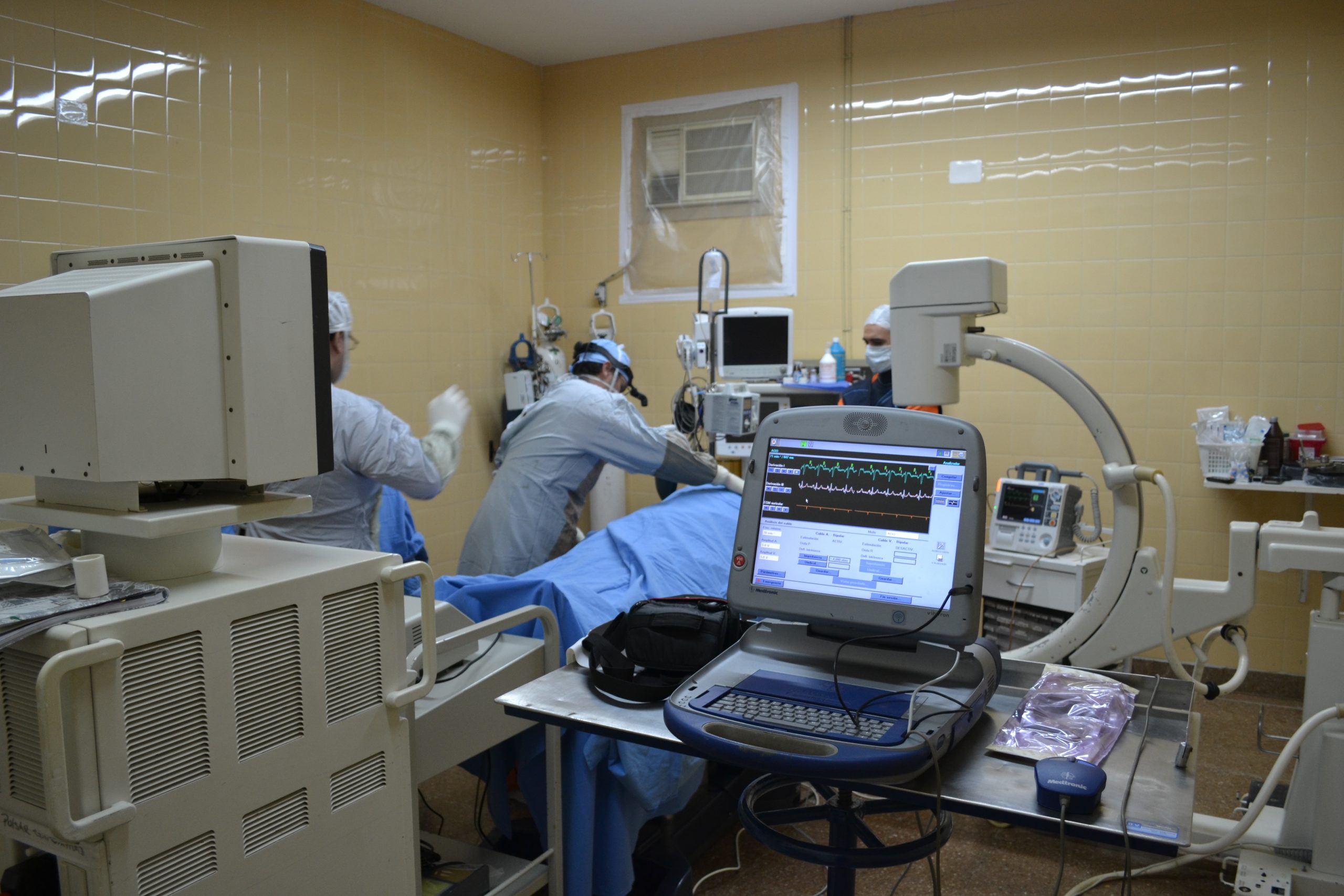
    The plaintiffs in this lawsuit are the surviving family members of a man who died during brain surgery by the defendant’s physician. The family contends that due to the deceased’s history of cardiac trauma prior to surgery, he should have been evaluated for cardiac fitness before the physician performed the surgery. The trial court found that the expert testimony proffered by three physicians was insufficient to prove that medical malpractice had occurred. The plaintiffs appealed the decision, insisting that the defendant had breached his duty of care by not ordering further cardiac tests.

    The plaintiff must establish the elements of a medical malpractice claim to bring the claim successfully. The first element required to be shown is the standard of care at which comparable physicians in Louisiana generally exercise when taking care of their patients. The second required element is that the defendant failed to meet the reasonable care prescribed by the first element or lacked the required knowledge altogether. The third and final element is that the failure to exercise reasonable care caused the plaintiff’s injuries. La. R.S. 9:2794(A)

    The appellate court can only overrule the lower court’s determination of the facts required for the elements of medical malpractice if there is extreme error. Stobart v. State, 617 So.2d. Medical malpractice claims involve testimony from medical experts to shed light on the standard of care required for a given patient. If the testimonies directly conflict, the appellate court will defer to the original finding of fact. Knight v. Gould.

    The factual record showed that the deceased was given recommendations to follow up with a cardiac evaluation before having the operation. However, the deceased did not take action to follow up with the recommendation. The experts agreed that the standard of care in this situation required a cardiac evaluation based on the medical past. They also agreed that it was not the defendant’s responsibility under this standard of care to ensure cardiac fitness, but rather that of the clearing physician. Therefore, the appellate court found that based on the review of the expert testimony, the trial court was acting within its discretion when it found that plaintiffs failed to show the second element of medical malpractice. 

    While the defendant surgeon was found not liable for medical malpractice, his colleague, the clearing physician, was implicated as being responsible. Likely, he was separately pursued under this theory. This case shows the complexity of trying to get recourse for the wrongful death of a loved one due to medical malpractice. Experts help bridge the gap between the expert knowledge and the knowledge that a layperson would have, but that only sometimes means relief is found.

    Additional Sources: MATTHEWS V. PROVENZA

    Written by Berniard Law Firm Blog Writer: Corrinne Yoder-Mulkey

    Additional Berniard Law Firm Articles about Medical Malpractice: Louisiana Court of Appeal Dismisses Medical Malpractice Lawsuit Due to Absence of Expert Testimony

  • Mistake, Medical Malpractice, or Misunderstanding Risk?

    While much maligned in the popular consciousness, medical malpractice lawsuits serve a vital function in protecting patients’ rights when accessing healthcare. In Louisiana, a successful medical malpractice lawsuit must show the physician being sued had a standard of care for their patient, the physician violated this standard of care, and there was a connection between this violation and the injury suffered by the patient. See La. R.S. 9:2794(A). Though there are several reasons why a medical procedure may go wrong, proving it was the result of a violation of a standard of care can be difficult at best. 

    In March 2007, Alsie Thomas underwent surgery to install a pacemaker in his heart. Dr. Sergio Barrios conducted the surgery. While usually, the pacemaker is installed with three leads placed in the right atrium, right ventricle, and coronary sinus behind the heart. Dr. Barrios instead inserted the first lead in the opposite direction into the left ventricle and the second lead into the aorta instead of the right atrium, with the third lead being installed correctly. After the leads were installed, Dr. Barrios conducted several tests and determined that while there were some abnormal readings, the procedure appeared successful. Subsequent evaluations at the hospital also indicated the pacemaker had been positioned correctly. 

    However, five days after the surgery, Alsie suffered a stroke, which was diagnosed as a lack of blood flow due to an obstruction of a blood vessel. Throughout the rest of March and through April, Alsie continued to suffer from bouts of heart issues, but subsequent X-rays and scans showed the pacemaker appeared to be placed in the correct location. 

    Eventually, in May, Alsie was readmitted to the hospital, where it was discovered the two leads had entered his arterial system. He underwent successful surgery with a new surgeon to remove these and install a new pacemaker. Alsie then filed a medical malpractice lawsuit against Dr. Barrios, blaming the placement of the pacemaker leads for his stroke. 

    During the trial, two expert doctors were called to Dr. Barrio’s defense. Dr. James McKinnie stated that Dr. Barrio’s placement of the leads in an atypical position was a known complication of the procedure. Dr. Michael Hanneman, an expert radiologist, pointed out that for nearly three months and several inquiries, no issues were discovered with the placement of the pacemaker. Alsie called Dr. William Walker as an expert witness, who claimed that Dr. Barrio had violated his duty of care with the atypical placement of the leads. However, he also admitted that the abnormal position of a pacemaker is a well-recognized complication and that sub-optimal surgical results can still result from a proper standard of care. 

    The Court of Appeals considered the testimony offered to the trial court and determined that in light of the expert testimony, Dr. Barrio’s placement of the pacemaker leads was not a deviation from his required standard of care. When considering conflicting expert testimony, the Court of Appeals reasoned it is up to the jury to determine which expert they find the most compelling. See Washington v. Waring. In this instance, the jury found that Dr. Barrio had not breached his standard of care based on the testimony of Doctors McKinnie and Hanneman. Therefore, the Court of Appeals decided the jury’s verdict was not reached erroneously. 

    It makes logical sense, with the advances of modern medicine and the precision associated with modern surgical techniques, to assume that a small mistake or complication is the result of negligence on behalf of the doctor. However, as the Court of Appeals stated, a mistake or well-known complication does not amount to a breach of the doctor’s duty of care. It is, however, simply an unfortunate risk associated with surgical procedures. 

    Additional Sources: ALSIE THOMAS, AND HIS CHILDREN, LESLIE THOMAS, KAREN THOMAS, NORMAN THOMAS, DON THOMAS AND KEVIN THOMAS VERSUS SERGIO BARRIOS, M.D., DALE MACCURDY, `M.D. AND LOUIS E. SUMMERSGILL, M.D.

    Author: Colin McGinness

    Other Berniard Law Firm Articles on Medical Malpractice: What does “Not Charted, Not Done” Mean in Louisiana, and How Does it Apply to Medical Malpractice Cases?

  • Underlying Medical Conditions, Can You Claim Res Ipsa Loquitur in a Lawsuit?

    You think that when you’re being taken care of by hospital personnel, you are in safe hands and do not have to fear for your safety. However, if you are injured when being moved from a hospital cart to your bed, can you claim negligence based on res ipsa loquitur? The Fifth Circuit Court of Appeals addresses this question and the difficulties in recovering damages if you have an underlying preexisting condition.

    Joshua Rice was a patient at Cornerstone Hospital for over a year before passing away in May 2012. Joshua’s father, Tommy Rice, brought a negligence suit against Cornerstone, claiming the staff entangled Joshua’s leg and arm when they moved him from a hospital cart to his bed. He suffered a fracture in his hip and shoulder as a result.

    Believing they were not liable for Rice’s injuries, Cornerstone filed a motion for summary judgment. Under Rule 56(a) of the Federal Rules of Civil Procedure, a court should grant summary judgment when there is no genuine dispute of any material fact. If a plaintiff such as Rice cannot prove his case at trial, then a court will dismiss it.

    Rice relied on res ipsa loquitur, an essential part of personal injury cases in Louisiana. It directly transfers to “the thing speaks for itself” meaning the harm caused is direct evidence of negligence caused by the defendant. Res ipsa loquitur is applied when: (1) the defendant has actual control of the agency that plaintiff’s injuries; (2) the evidence as to the true cause of plaintiff’s loss is more readily accessible to defendant than plaintiff, and (3) the accident is of a kind that does not occur in the absence of negligence. Shahine v. Louisiana State Univ. Med. Ctr. in Shreveport.

    The District Court agreed with Cornerstone that there was no genuine issue of material fact pertaining to Rice’s res ipsa loquitur claim. Specifically, the court asserted that even if Rice had created a material fact issue on the first and second elements, the third element weighs in favor of Cornerstone.

    Rice agreed that Joshua had a medical condition of osteomalacia before the claim. Cornerstone’s expert witness testified that this disease weakens bones, making the possibility of fractures during a normal treatment or normal transfer highly possible. Rice replied that the expert did not treat Joshua and that his opinion should carry less weight. 

    The Fifth Circuit Court of Appeals agreed that Cornerstone made a case for summary judgment because Rice did not rebut the expert’s testimony on the osteomalacia, and given Joshua’s fragile bone condition, res ipsa loquitur does not apply. As a result, Joshua’s accident could still have occurred without negligence. Therefore, Rice’s lawsuit was dismissed, and summary judgment on behalf of Cornerstone was granted. 

    While every case is looked at separately with specific facts, this ruling helped answer the question, “if you have an underlying medical condition, can you claim res ipsa loquitur in a lawsuit?” Unfortunately, the answer here was no.

    Additional Sources: TOMMIE RICE V. CORNERSTONE HOSPITAL OF WEST MONROE, L.L.CC.

    Written by Berniard Law Firm Writer Brianna Saroli

    Other Berniard Law Firm Articles on Res Ipsa Loquitor: Injured Taxi Driver Fails to Recover in Claim Based on Res Ipsa Loquitor

  • What kind of Evidence is Needed to Prove Future Medical Benefits in a Medical Malpractice Lawsuit?

    After a medical malpractice-induced injury, patients may need significant awards of damages to cover the expenses of a resulting disability.  A case in Shreveport shows how to present substantial evidence of an ongoing need for care. It also helps answer the question; What kind of Evidence is Needed to Prove Future Medical Benefits in a Medical Malpractice Lawsuit?
    In 2007, Dr. Anil Nanda operated on Barbara Wise to address weakness in her right shoulder. Unfortunately, during the surgery, Dr. Nanda accidentally made a small tear in the membrane covering the spinal cord. Although Dr. Nanda attempted to seal the tear, Barbara experienced ongoing post-surgical weakness in her upper and lower extremities. When Wise and her husband brought up her symptoms to Dr. Nanda at follow-up appointments, he told them that these complications were normal and would eventually go away. However, when the weakness persisted, Dr. Nanda ordered an MRI, which showed a spinal fluid leak putting pressure on Wise’s spinal cord. Although Dr. Nanda corrected the tear in a second surgery, Wise continued to suffer severe weakness in her extremities that required aggressive rehabilitation. 

    Wise filed a medical malpractice lawsuit against Dr. Nanda and Louisiana State University Health Sciences Center to recover the costs incurred due to her condition. She was awarded $1,355,740 for medical expenses and benefits between the injury and verdict, 2) $1,054,776 for future medical expenses  3) $517,000 for lost wages, and $250,000 for pain and suffering. LSU appealed the award of costs between the injury and verdict and lost wages. 

    Under La. R.S. 40:1237.1, “future medical care and related benefits,” includes all care needed after a malpractice injury, including care from non-professional family members. However, courts must review expenses for family member caregiving with extra scrutiny, ensuring each claimant has accurately described the necessity of the caregiving, the amount of care rendered, and the market value of the services. Edwards v. St. Francis Med. Ctr.

    Wise presented ample evidence of her husband’s extensive caregiving, including the testimony of multiple lay witnesses, pictures and videos of their home with mobility modifications, and records of her progress in rehabilitation. Her abilities were extremely limited when Wise was initially discharged from the hospital. Her husband’s care had significant effects on her recovery, enabling her to perform many small daily tasks with mobility aids and even drive again. However, despite these improvements, she will still need significant assistance from her husband and other caregivers for the rest of her life. 

    Considering this, the court rejected LSU’s arguments that Wise had not accurately shown the necessity of family caregivers and the amount of time they assisted. However, the court did find the hourly rate assigned for her husband’s care was miscalculated. Wise’s expert witness had come to a figure of $18 per hour by calling two different care agencies in the area. However, because Wise’s husband was a non-professional and not employed by a care agency, the court found that $8 per hour would be a more appropriate rate. Therefore, the award for medical expenses between the injury and verdict was reduced to $904,944.24. 

    The court rejected LSU’s second argument that Wise had not adequately proven the amount of wage loss she suffered due to her injuries. Although Wise was 65 and had already retired as a teacher at the time of her injury, she had been making plans to return to teaching as a retiree. Under Section 515 of Title 28, Part CXV of the Louisiana Administrative Code, retired teachers can return to work on a limited basis in areas with a shortage of teachers. Wise had obtained a teaching position she intended to start in the fall of 2007 and was hoping to have her surgery before the school year started. Witnesses testified that Wise had said that if she taught until 75, her salary could cover a house that she and her husband planned to build. Based on the evidence in the record, the court concluded that her award for lost wages was appropriate. 

    It is essential to ensure that your award for damages after a medical malpractice injury is adequate to cover your needs. A skilled personal injury attorney can help you assemble a solid case to fight for the amount you will need to compensate for a long-term injury.

    Other Sources: BARBARA S. WISE, ET AL. Plaintiff-Appellee Versus LOUISIANA STATE UNIVERSITY HEALTH SCIENCES CENTER, ET AL. Defendant-Appellant

    Article Written by Berniard Law Firm

    Other Berniard Law Firm Articles on Medical Malpractice and Increase in Trial Awards: Court Increases Damages Award in Wrongful Death and Survival Action Lawsuit

  • Louisiana Medical Malpractice Lawsuit by Dental Patient Fails at Appeals Court

    Appeals from trial court decisions can be costly, especially if the result is again not decided in your favor. Tara Lorraine (“Ms. Lorraine”), a dental patient at Bluebonnet Dental Care, L.L.C., learned this the hard way after appealing a jury verdict decided against her.  The Louisiana Court of Appeals for the First Circuit (“First Circuit”) affirmed that jury verdict and assigned costs of the appeal to be paid by Ms. Lorraine. The following case shows the difficulty in proceeding with a medical malpractice lawsuit in Louisiana based on alleged substandard dental procedures.

    Ms. Lorraine alleged that her injuries occurred during several dental treatments over several months. First, on January 21, 2010, Ms. Lorraine accused Dr. Ross Quartano (“Dr. Quartano”) of spilling etchant on her throat, which left her with a permanent scar. Then, on April 30, 2010, she accused Dr. Louis Lamendola (“Dr. Lamendola”) of extracting one of her teeth without her consent. Finally, Ms. Lorraine claimed that Dr. Andre Bruni (“Dr. Bruni”) and Dr. Quartano failed to remove substantial underlying decay before they filled some of her teeth, causing her such extreme pain that eventually, she had to seek additional help from a different dentist.

    Subsequently, Ms. Lorraine filed a complaint with Louisiana’s Patient Compensation Fund, asking for a medical review panel of each of the three doctors. Upon reviewing Ms. Lorraine’s complaint, the medical review panel found that there was no evidence to support a breach of the standard of care as it related to Dr. Quartano and Dr. Bruni and that a material fact existed regarding Ms. Lorraine’s informed consent with Dr. Lamendola’s removal of her tooth. Thus it did not necessitate an opinion from the medical review panel. However, despite these findings, Ms. Lorraine filed a lawsuit against the same three doctors in the 19th Judicial District Court. Like the medical review panel, the jury found that Ms. Lorraine failed to prove the breach of standards of care. Therefore, the court entered a judgment in favor of the doctors, dismissing Ms. Lorraine’s claims and denying her request for a new trial.

    Thereafter, Ms. Lorraine appealed this decision based on five assignments of error, including (1) an illegal and racially prejudicial removal of four Black jurors from the jury using peremptory strikes in violation of both Louisiana Supreme Court and United States Supreme Court precedent; (2) a refusal to grant a new trial based on jury misconduct; (3) improper failure to prove the standard of care for informed consent based on a specific statute; (4) improper failure to prove standard of care for the enchant spill which caused her scar based on an obviously careless act from which negligence can be inferred; and (5) improper failure to prove standard of care for filling her teeth with significant remaining decay given unanimous expert testimony and again the obviously careless act from which negligence can be inferred.

    The First Circuit considered all five of these assignments of error one at a time. Starting with the illegal and racially prejudicial removal of four Black jurors, the First Circuit made the following findings that the explanations for dismissing the four Black jurors were race-neutral, that peremptory strikes were used on a number of white jurors as well, the trial court was in the best position to evaluate the juror’s involvement, and that the trial court also had the discretion to allow over six peremptory strikes because there were multiple defendants. On Ms. Lorraine’s second claim, the First Circuit noted that it is a high burden to overcome to prove jury misconduct and that courts are generally reluctant to overrule jury verdicts based on claims of improper behavior. Moreover, the First Circuit found no manifest error in the trial court’s assessment of the allegedly improper juror’s credibility, so Ms. Lorraine’s second assignment of error lacked merit.

    As for Ms. Lorraine’s third, fourth, and fifth claims for assignment of error, the First Circuit reviewed each of the relevant standards of care and found the jury did not manifestly error in any of its conclusions. Thus these three claims also were without merit. The First Circuit, therefore, affirmed the jury’s decision and the trial court’s judgment in favor of the doctors, leaving Ms. Lorraine in no better position had she not filed an appeal.

    When deciding whether to appeal a trial court decision, consult a good attorney who can assess the merits of your claims before you are left assessing the fees for a failed appellate decision.

    Additional Resources: IN RE: MEDICAL REVIEW PANEL FOR THE CLAIM OF TARA LORRAINE

    Written by Berniard Law Firm Blog Writer: Gina McKlveen

    Other Berniard Law Firm Articles on Peremptory Challenges: Lafayette Case Provides Important Lesson on Peremptory Challenges and Proving Racially Based Jury Exclusion

  • What If You’re Unable to Pay a Bond Required by Law?

    Filing a medical malpractice lawsuit in Louisiana requires the plaintiff to pay a bond before the medical review panel is conducted. But what do you do when you cannot pay the bond? Is there a way to still proceed with your case? The following medical malpractice lawsuit out of Jefferson Parish shows that if you are granted pauper status under La. C.C.P. art. 5181, you could be relieved of the bond requirement.

    Delores and Elvorn Tate filed a medical malpractice lawsuit against Ochsner Clinic Foundation for personal injuries and other damages. The Tates alleged the negligent placement of an IV into Delores’s left hand during her hospitalization at Ochsner Hospital caused her injuries. Following the submission of Tate’s lawsuit, Ochsner filed a motion for the Tates to post a bond for all the costs of the medical review panel.

    Louisiana law requires those filing a medical malpractice lawsuit to post a cash or surety bond. The amount of the bond must be approved by the court. After the lawsuit, the bond will be forfeited to the defendant’s healthcare provider for reimbursement of the costs of the medical review panel if the Defendant wins. However, if the defendant is found liable, they will be required to reimburse the claimant an amount equal to the bond. La. R.S. 40:1299.47(I)(2)(c).

    If you cannot afford the bond, you may apply for pauper status under La. C.C.P. art 5183. Obtaining pauper status relieves a claimant of responsibility for paying the bond and allows the lawsuit to continue.

    Although the Tates applied for pauper status and were granted such status, Ochsner filed a motion to dismiss the lawsuit because Tate failed to post the bond. The trial judge granted Ochsner’s motion and dismissed Tate’s case with prejudice. However, the Clerk of the Court failed to issue or mail a notice of the judge’s decision. 

    Two years later, the Tates filed a motion for a new trial. In their motion, the Tates argue they were granted pauper status and relieved of having to pay the bond. Ochsner filed an opposing motion. The trial judge denied the Tates’ motion for a new trial. 

    The Tates appealed, and the Appeals Court noted the Tates waited until the last day available to apply for pauper status. However, the appeals court held their application for pauper status was still timely. Granting their pauper status relieved the Tates of having to post the bond required. Because the Tates were relieved of this duty, the district court was mistaken in dismissing their lawsuit and denying their motion for a new trial. The Court of Appeals accordingly reversed the trial court’s decision and submitted this case for further proceedings. 

    Tate’s case shows the complexity of proceeding with a medical malpractice lawsuit. A skilled lawyer must ensure you follow the rules and put your best case before the court.

    Additional Sources:  Tate v. Ochsner Clinic Foundation

    Written by Berniard Law Firm Blog Writer:  Elsa Swailem-Gamez

    Other Berniard Law Firm Articles on Medical Malpractice and Procedure Requirements: Late Filing Bars Medical Malpractice Claim Against Tulane-Lakeside Hospital