 It is common to borrow a car from a family member or friend. If you are unfortunately involved in an accident while driving a borrowed car, who is liable for damages if the accident results from inadequate maintenance?
While Holly Fontenot was driving a car owned by Patricia Neil and her husband, the parents of Fontenot’s fiancé, she was involved in a single-car accident when she lost control and hit a utility pole. Fontenot had the Neils’ permission to drive their car. There were also two minors in the car with her.
Fontenot and the mother of the two minor children passengers filed a lawsuit against Safeway Insurance, who insured the Neils’ car. Fontenot claimed the accident occurred because of a lack of maintenance. She claimed the car went off the road because it had a broken tie road, which caused the car’s steering mechanism to fail.
Safeway moved for a directed verdict under La. C.C.P. art 1672(B), claiming Fontenot had not presented evidence sufficient to show she was entitled to any relief. The court granted Safeway’s motion and dismissed Fontenot’s claims. Fontenot appealed.
The appellate court explained the trial court had granted Safeway’s motion for a directed verdict because Fontenot had not established what caused the car to go off the road and had not provided sufficient evidence there had been insufficient maintenance on the vehicle. Under King v. Louviere, the vehicle’s owner, not a driver who has been given permission to drive the car, is liable when an accident occurs because of a defect with the vehicle.
Fontenot testified she had been driving the Neils’ car with permission, within the speed limit, when she heard a pop and the car’s steering mechanism failed, which resulted in her losing control and hitting a utility pole. Fontenot could not provide specific details about the timeline of what happened after she heard the pop. One of the investigating police officers testified it appeared to him like the crash resulted from something in the front area of the car’s drive train. The police officer did not think the accident could have resulted from a tire blowout.
Furthermore, there was no evidence Fontenot was speeding or otherwise driving erratically at the time of the accident. Based on this testimony and evidence, the appellate court held Fontenot had provided sufficient evidence to survive Safeway’s motion for a directed verdict.
Once Fontenot presented evidence that she had lost control of the car because of a broken tie rod, the burden shifted to the Neils to provide evidence the accident resulted from a defect it was not aware of and did not result from their improper maintenance of the vehicle. The only evidence they presented was speculated the tie rod might have broken when the car hit the utility pole or curb. The Neils also did not present evidence Fontenot had been given the right or obligation to maintain the vehicle. Therefore, the appellate court reversed the trial court’s dismissal of Fontenot’s claims.
If you have been involved in an accident while driving a borrowed car, a good attorney can advise you on who is liable and what evidence you need to present in support of your claim.
Additional Sources: Holly Fontenot et al. v. Safeway Ins. Co. of Louisiana
Article Written By Berniard Law Firm
Additional Berniard Law Firm Article on Involuntary Dismissals: The Complexities of the Involuntary Dismissal of a Claim
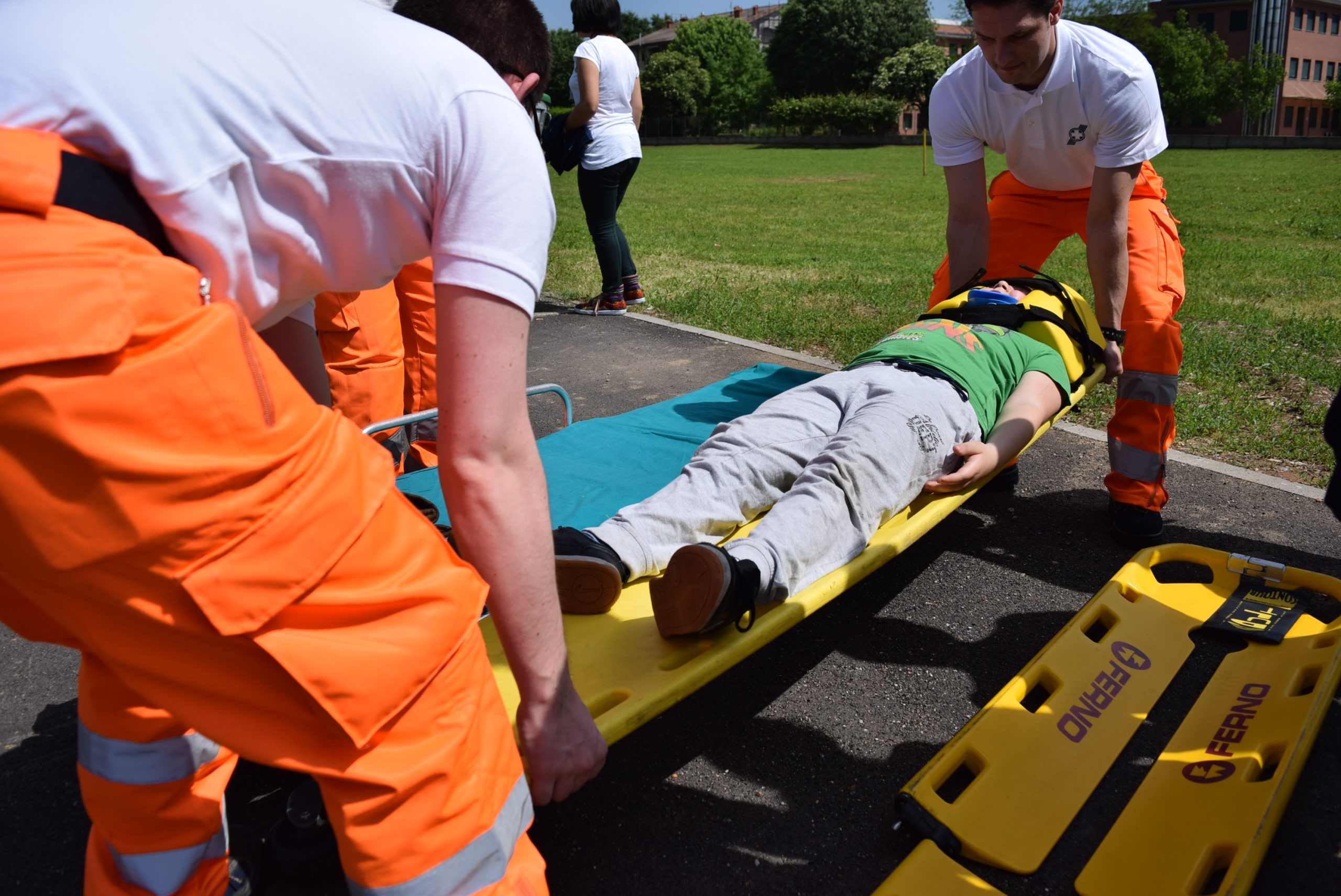 If you are injured on the job, it is best practice to inform your employer and supervisor about your injuries. They will likely inform you about possible workers’ compensation to which you might be entitled. Are you still eligible to receive workers’ compensation benefits if you tried to hide your injury from your employer?
 Even while an inmate, you are still entitled to damages if you are injured on the job. If you are injured while working in a release program, are you entitled to compensation through the workers’ compensation scheme?
  Under Louisiana law, there is a presumption the driver of a car that rear-ends another car acted negligently. However, this presumption of negligence can be overcome in certain situations, such as if the driver of the vehicle that was rear-end shifted lanes soon before the accident.
 The distinction between independent contractors and employees has always been something of a balancing test. This distinction becomes vital in workers’ compensation issues, where employees generally enjoy peace of mind with workers’ compensation in the event of an injury, whereas independent contractors usually do not. But are there some cases where an independent contractor can collect workers’ compensation benefits? The answer to this question is illustrated in the following appeal from the New Orleans Office of Workers’ Compensation.
 No one should have to deal with sexual harassment in the workplace. If you are dealing with sexual harassment at work and you report it to your employer, you hope they will act on your report. How do actions taken by your employer affect your ability to recover for sexual harassment in court?
 We have all heard the saying “time is of the essence.” This is especially true when you are filing a lawsuit. If you do not comply with the statutory requirements for how long you have to file a lawsuit, a court will be unable to hear your claim. Although certain exceptions apply that extend your timeline for filing a lawsuit, there are strict evidentiary requirements for these exceptions to apply.
  In the heart of Lafayette Parish, Louisiana, tragedy struck on Interstate 10 as a routine drive turned fatal. Arthur Huguley, behind the wheel of a tractor-trailer for AAA Cooper Transportation, found himself in a situation that would forever alter the lives of those involved. A blown-out tire, a series of events, and a wrongful death lawsuit brought forth by Curley Mouton’s surviving family members set the stage for a courtroom drama that unfolded with unexpected twists. In the end, a jury assigned fault, but the defendants, Huguley, AAA Cooper, and their insurer, were not ready to accept the verdict without a fight. This article explores the intricacies of their appeal, shedding light on the compelling arguments presented and the complexities of apportioning fault in a tragic accident.
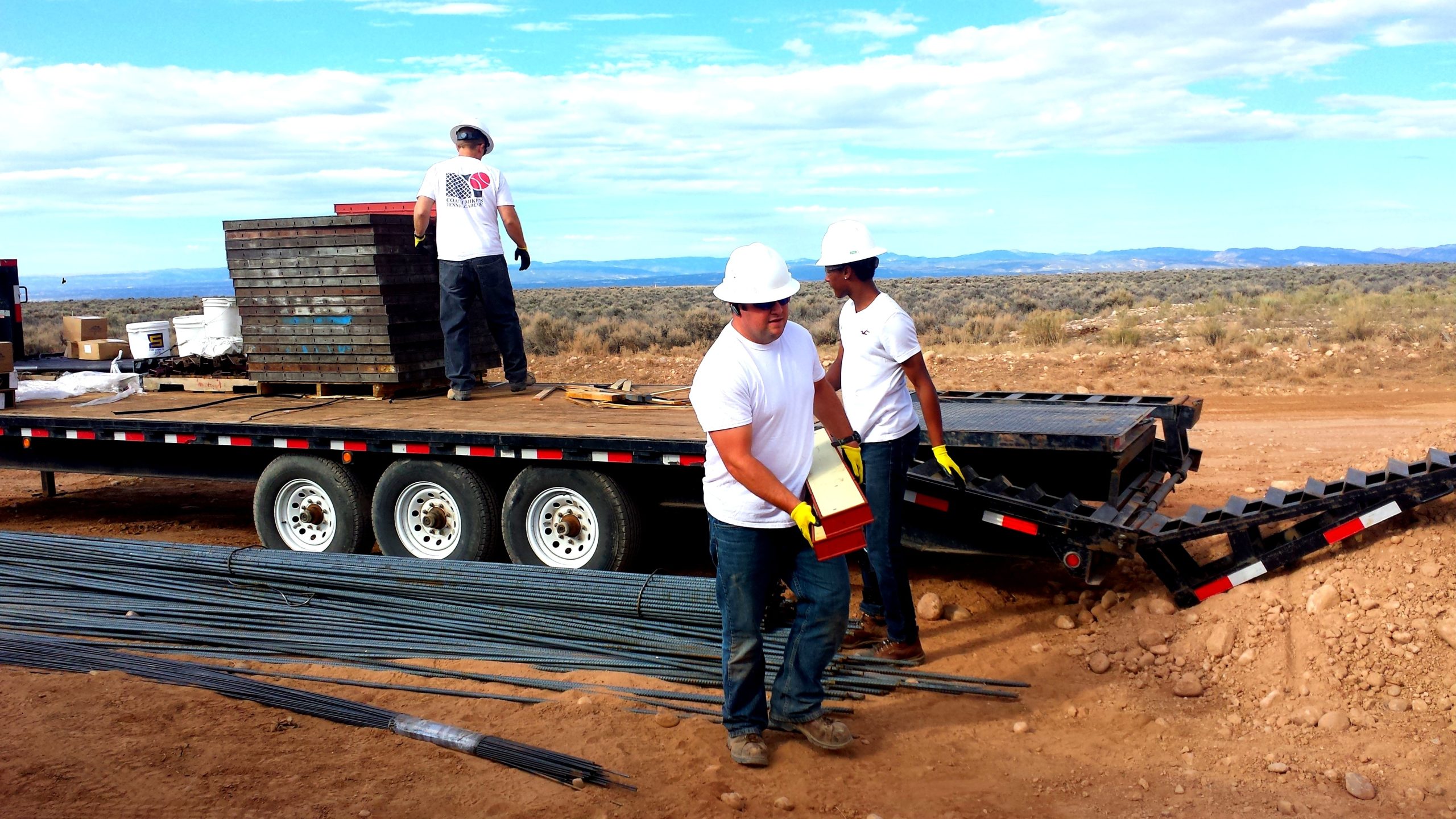 If you are injured on the job, one of your primary concerns is likely finding competent medical care. Under the Louisiana Workers’ Compensation Act, injured workers can select one physician of any specialty without their employer’s approval. What happens if your employer refuses to pay for your selected physician?
  Lawsuits involving slip and fall accidents are widespread. However, specific requirements must be satisfied to prevail in a slip-and-fall case. The following lawsuit helps answer the question: Can a business be held liable if a patron slips and falls on a wet walkway?