 Imagine attending a routine medical appointment at your local doctor’s office. You enter the premises expecting a standard check-up, but unexpectedly, you trip over a defective threshold and fall onto a hard terrazzo floor. This unsettling scenario is precisely what Lois J. Tate encountered in their accident, sparking a personal injury action against Touro Infirmary and Louisiana Children’s Medical Center. The Louisiana Fourth Circuit Court of Appeal affirmed the Trial Court’s decision to grant summary judgment in favor of the defendants, Touro Infirmary, and Louisiana Children’s Medical Center.
In a life-altering event, Tate tripped over what she claimed to be a defective threshold at the office of Dr. Shelton Barnes. The office was located in a building leased from Touro Infirmary. This unexpected fall led to injuries, which prompted Tate to file a lawsuit for damages based on negligence and strict liability against the defendants, including Touro Infirmary, Louisiana Children’s Medical Center, and Dr. Shelton Barnes. Tate’s claim encountered a significant challenge when the Trial Court granted summary judgment favoring the defendants. Tate could not prove a crucial element of her claim—Touro’s knowledge of the alleged defect. Undeterred, Tate appealed the decision.
Under Louisiana law, a summary judgment is applied when there’s no genuine dispute regarding a critical fact that could influence the relief a litigant seeks. To successfully contest a summary judgment, a plaintiff cannot only rely on allegations or speculation. They must present substantial proof of a genuine issue of material fact. For Tate, this involved demonstrating Touro’s awareness of the defect. Simon v. Hillensbeck.
Touro Infirmary and Dr. Barnes, the tenant, had entered a lease agreement, which explicitly stated Barnes accepted the premises “as is” with any defects. Additionally, Barnes would bear all responsibility for incidents resulting from alleged defects. This is permitted under Louisiana law as it supports the contractual shift of responsibility from the owner to the lessee, as long as the owner didn’t know or hadn’t been notified of the defect. LA Rev Stat § 9:3221.
Legally, Touro Infirmary transferred any maintenance duty for the premises to Barnes through the lease agreement. No evidence indicated Touro knew of the alleged defect before Tate’s unfortunate accident. Consequently, the Court of Appeals ruled Touro was entitled to judgment as a matter of law, and the Trial Court’s decision was upheld.
This case highlights the importance of understanding the fine details of lease agreements. It emphasizes the plaintiff’s need to substantiate all components of a claim when alleging negligence and strict liability. Good lawyers and attorneys comprehend these intricacies, making them excellent counsel and representation for their clients in complex personal injury lawsuits. The Court of Appeal reinforced the legal principle that a plaintiff must substantiate all aspects of her claim to prevail.
Overall, the case underscores the complexities of determining fault in personal injury cases. It serves as a stark reminder for all parties to be acutely aware of the agreements they enter. Likewise, it stresses the importance of retaining advice from experienced legal attorneys when navigating such complex scenarios.
Additional Sources: Tate v. Touro Infirmary, Et Al
Written by Brian Nguyen
Additional Berniard Law Firm Article on Lease Agreement Issues: The High Cost of Overlooking Fine Print: A Cautionary Tale of Settlements and Release Forms
 If you are involved with a lawsuit, you probably imagine your day in court involving a jury listening to the evidence and rendering a decision. After all, the US Constitution protects our right to a trial by jury. But what happens if the court issues a notice scheduling your trial to be heard in front of a judge instead of a jury?
 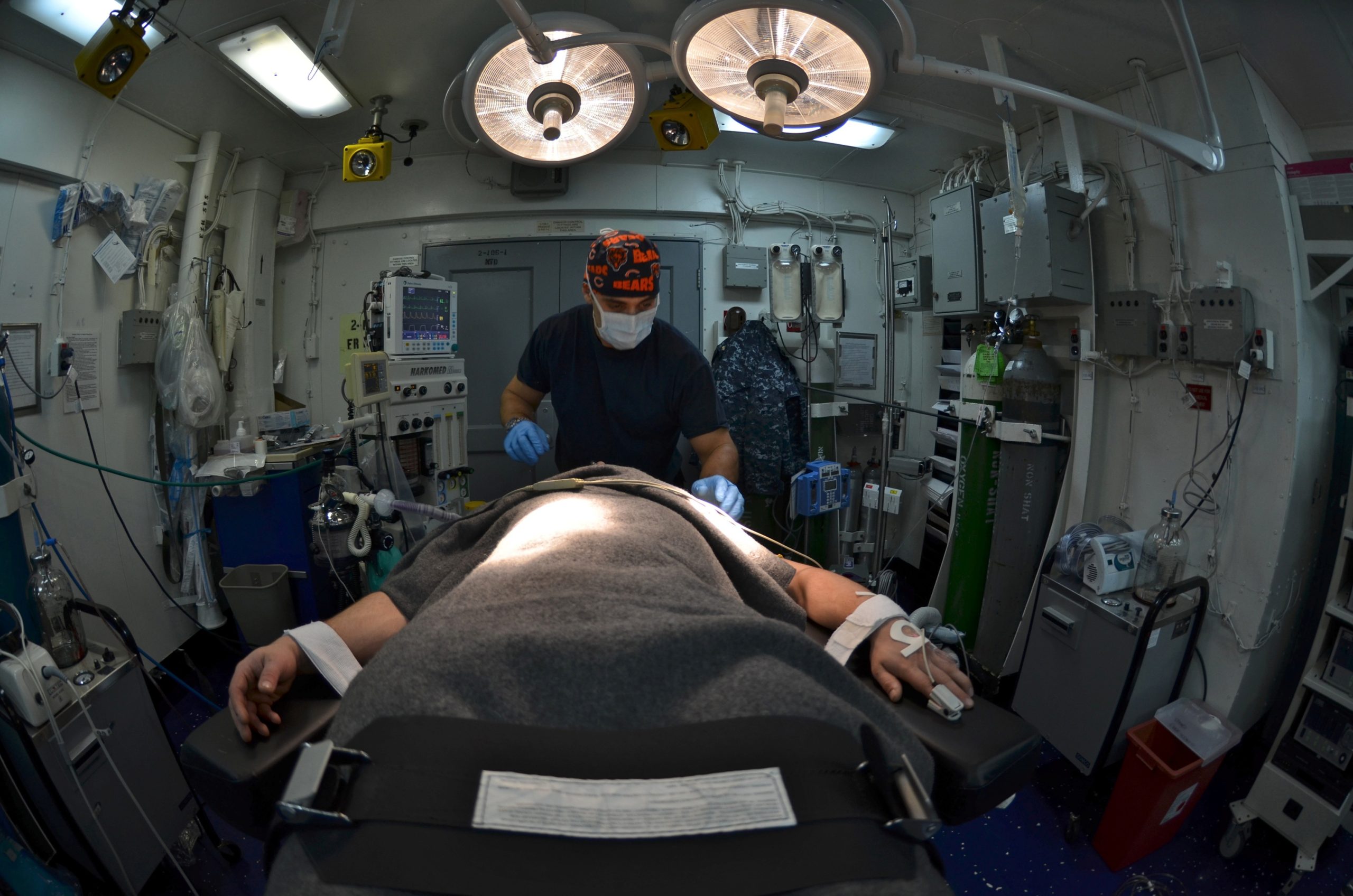 In the aftermath of a vehicle collision, the impact reverberates beyond the immediate parties involved, leaving a trail of injuries and legal complexities. Such was the case for Cody Johnson, a passenger on an RTA bus when it collided with another vehicle. Seeking full compensation for her damages, she pursued a vicarious liability claim against the driver’s employer. However, the court’s assessment of the driver’s scope of employment would determine the outcome of her pursuit of justice.
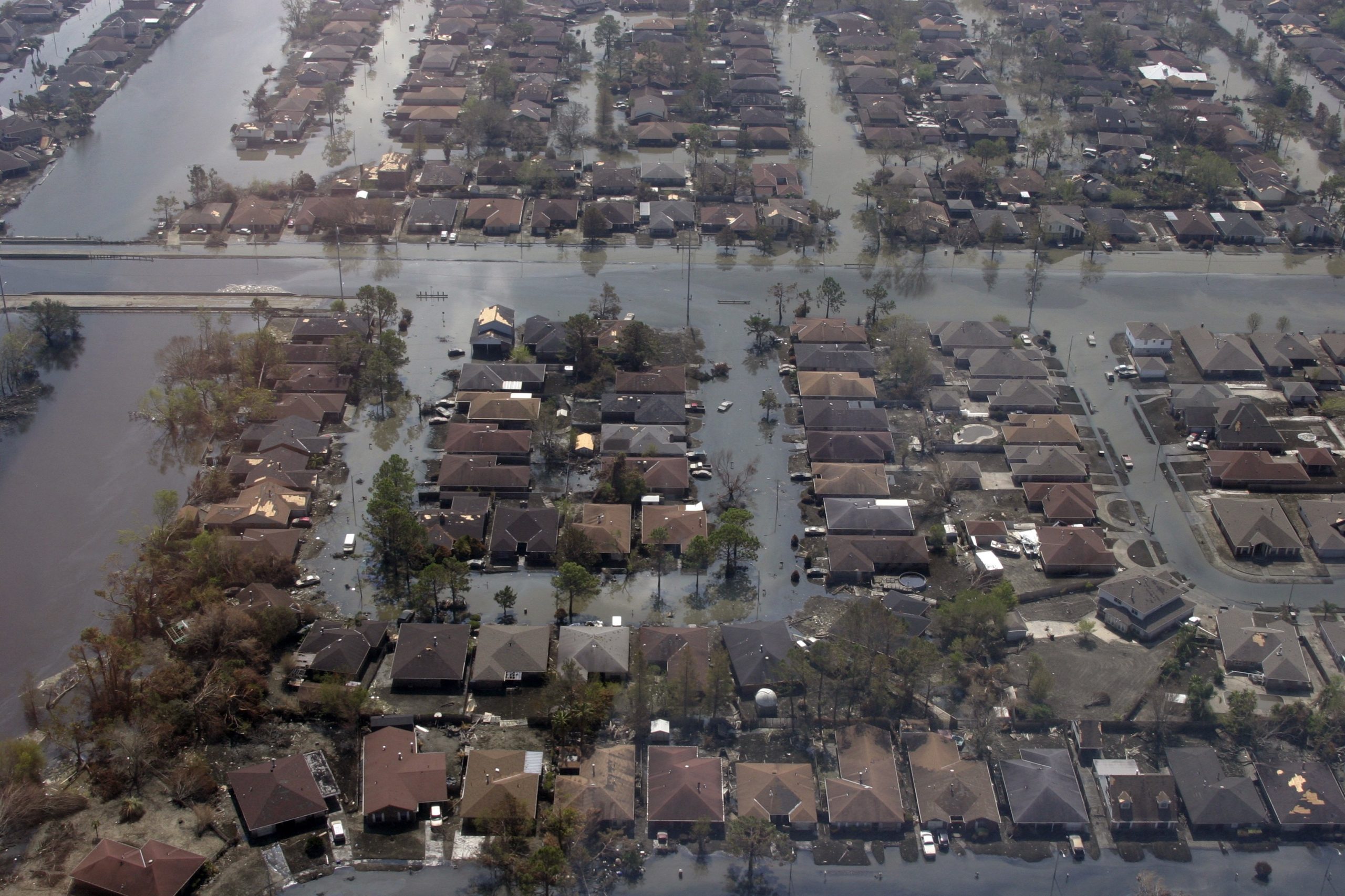 Hurricanes do not discriminate. Regardless of age, wealth, gender, health, or race, hurricanes are merciless to all they come in contact with. Such was the case for Ms. Taylor, who experienced the wrath of Hurricane Katrina in 2005.
  Have you ever witnessed an accident? The experience can be overwhelming, leaving lasting, often overlooked emotional scars. Such consequences raise an essential question; can a witness to an accident seek damages in court? The subsequent lawsuit helps answer that question. The journey of the litigants through the intricate legal landscape reveals their unwavering determination to find solace for the emotional anguish they endured as witnesses to the tragic events.
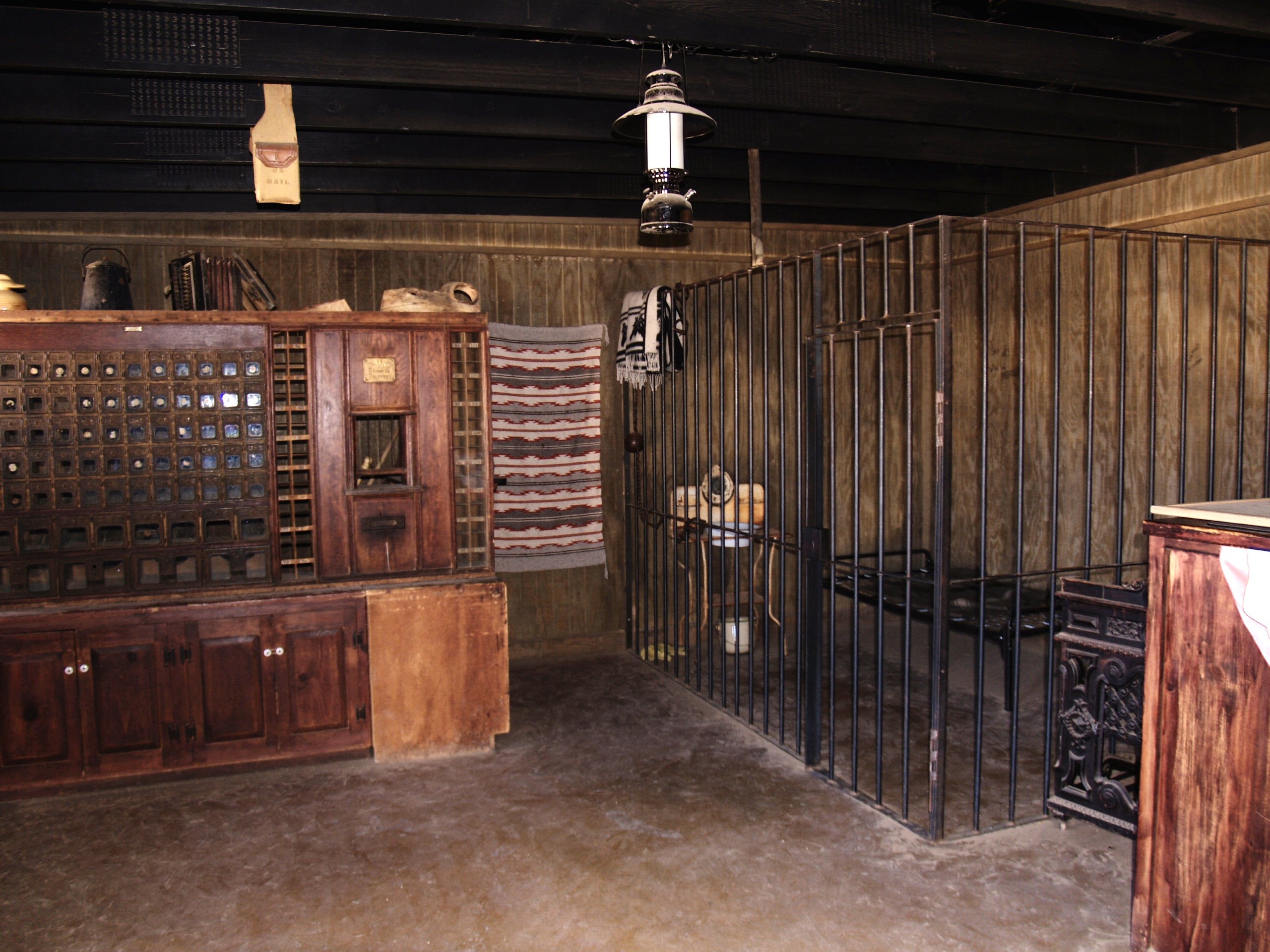 A personal injury claim requires following specific rules and procedures to ensure a fair and just resolution. For Joseph Barlow, who slipped and fell while detained at the Lafayette Correctional Facility, his failure to adhere to the correction center’s administrative remedies became critical. This article examines the consequences Barlow faced when he disregarded the proper procedures and highlights the significance of following the established protocols.
 School field trips are supposed to be fun. However, after an unfortunate incident, Darius Baheth’s experience was less than idyllic. Can a parent recover when their child is injured on a school field trip? The following lawsuit, out of Lafayette, Louisiana, answers that question.
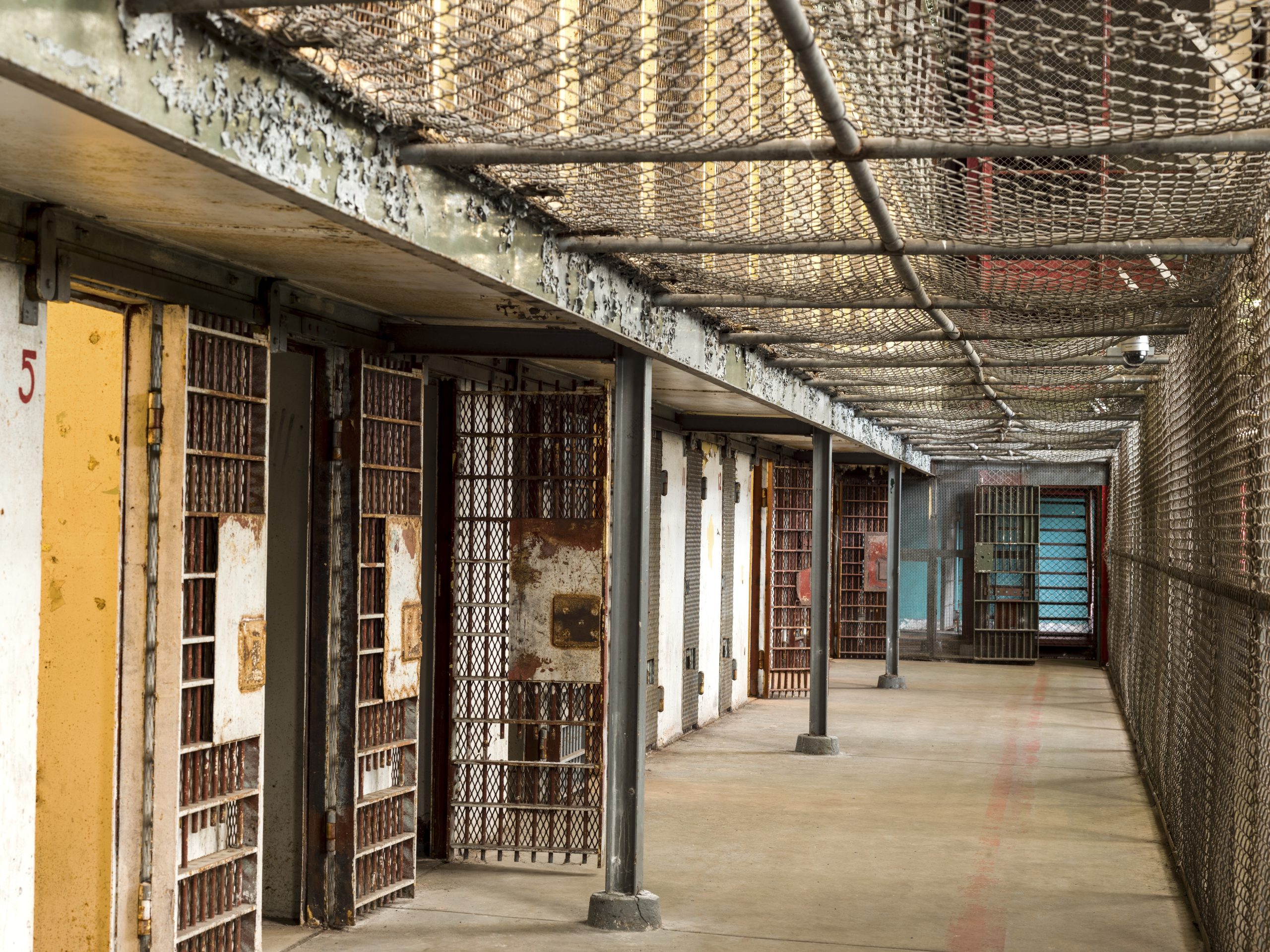 In a society built upon the principles of justice and fairness, few experiences can be as devastating as being wrongfully accused of a crime, subsequently arrested, and imprisoned for a wrongdoing one did not commit. The ramifications of such a traumatic ordeal can be profound, leaving individuals grappling with profound emotional, psychological, and even physical consequences. In the face of such injustice, victims must be allowed to seek justice and hold accountable those responsible for their unwarranted suffering.
  When an item is repaired, it is reasonable to expect it to be safe and free of defects upon its return. However, when an injury occurs after a product’s repair, the injured party is entitled to seek damages. For example, Joe McPherson suffered a knee injury after the battery compartment of a tractor, which Ronald Dauzat repaired, fell apart. The question of negligence and responsibility arose, leading to a legal dispute and subsequent appeal.
 Even if you have a unique job like a stunt performer, you can still get brought down to Earth by the complexities of determining what your insurance policies do and do not cover if you are involved in an insurance coverage dispute. In that case, it is important to understand the plain language of your insurance contract, how different provisions in the policy interact, and how courts interpret insurance policies.