
Blog

  • When is a Parent Company Responsible for the Safety of its Subsidiaries?

    When an individual sustains an injury while on the job, the anticipation of receiving workers’ compensation to tide them over during their recovery is natural. Regrettably, situations arise where companies are unwilling to shoulder this responsibility. The scenario becomes more intricate when a parent company distances itself from its subsidiary’s actions, attempting to evade liability for workplace injuries. This particular Louisiana Court of Appeals case delves into corporate responsibility, illuminating the circumstances under which a parent company is held accountable for the safety measures enacted by its subsidiary entities.

    Plaintiff, Truman Stanley, III, had his arm tragically severed at work when a defective oxygen cylinder exploded, and steel fragments broke off. He filed a personal injury lawsuit against Airgas USA seeking tort recovery. He later amended his complaint to include Airgas Inc., the parent company of Airgas USA, claiming it developed safety procedures and protocols and instructional materials/safety training that was inadequate and flawed, creating an unsafe workplace. Therefore, Stanley believed Airgas, Inc. should be liable in tort. The parent company moved for summary judgment stating it was immune from tort liability under the Louisiana Workers’ Compensation exclusive-remedy provision. The trial court ruled in favor of the defendant and granted summary judgment. Stanley appealed, claiming the trial court erred in finding the parent company immune from tort liability.

    Louisiana Revised Statutes 23:1032 contains the exclusive-remedy provision under the Louisiana Workers’ Compensation Act, which states the employer and anyone who may act as the employer are immune parties. However, for the immunity to apply, it “must have been engaged at the time of the injury in the normal course and scope of the employer’s business.” Under Louisiana Revised Statutes 23:13, an employer’s legal duties that cannot be delegated include providing safe working conditions for employees. That being said, providing a safe work environment falls within the course and scope of every employer’s business. If the parent company took on Airgas USA’s role, Airgas Inc. would be immune from tort liability.

    However, a parent company has no duty or liability for the subsidiary’s actions and is not responsible for the working conditions. Airgas Inc. provided evidence that it had no involvement in the day-to-day management of Airgas USA. In addition, there was no evidence Airgas Inc. took over any obligation to ensure employee safety for Airgas USA. Finally, Stanley failed to prove an essential element of his claim, that Airgas Inc. assumed the duty for Airgas USA to ensure a safe work environment. The duty to show factual support to establish the existence of a genuine issue of material fact for summary judgment was shifted to Stanley, and his failure to do so led the court to uphold the trial court’s decision to grant the defendant summary judgment. 

    This case highlights the importance of when a parent company, like Airgas Inc., is responsible for the safety protocols and conditions in place at its subsidiaries. It also highlights the importance of genuine issues of material fact when it comes to summary judgment cases. Injured workers often expect workers’ compensation from their company, but it is important to understand who may be responsible for the injuries.

    Additional Source: Truman Stanley III v. Airgas, Inc. 

    Written by Berniard Law Firm Writer Alivia Rose

    Additional Berniard Law Firm Article: When Can I File a Tort Lawsuit against my Employer if I am Hurt at Work in Louisiana?
  • Libel in the Limelight: A Deep Dive into the Intricacies of Defamation Laws in the Modern World

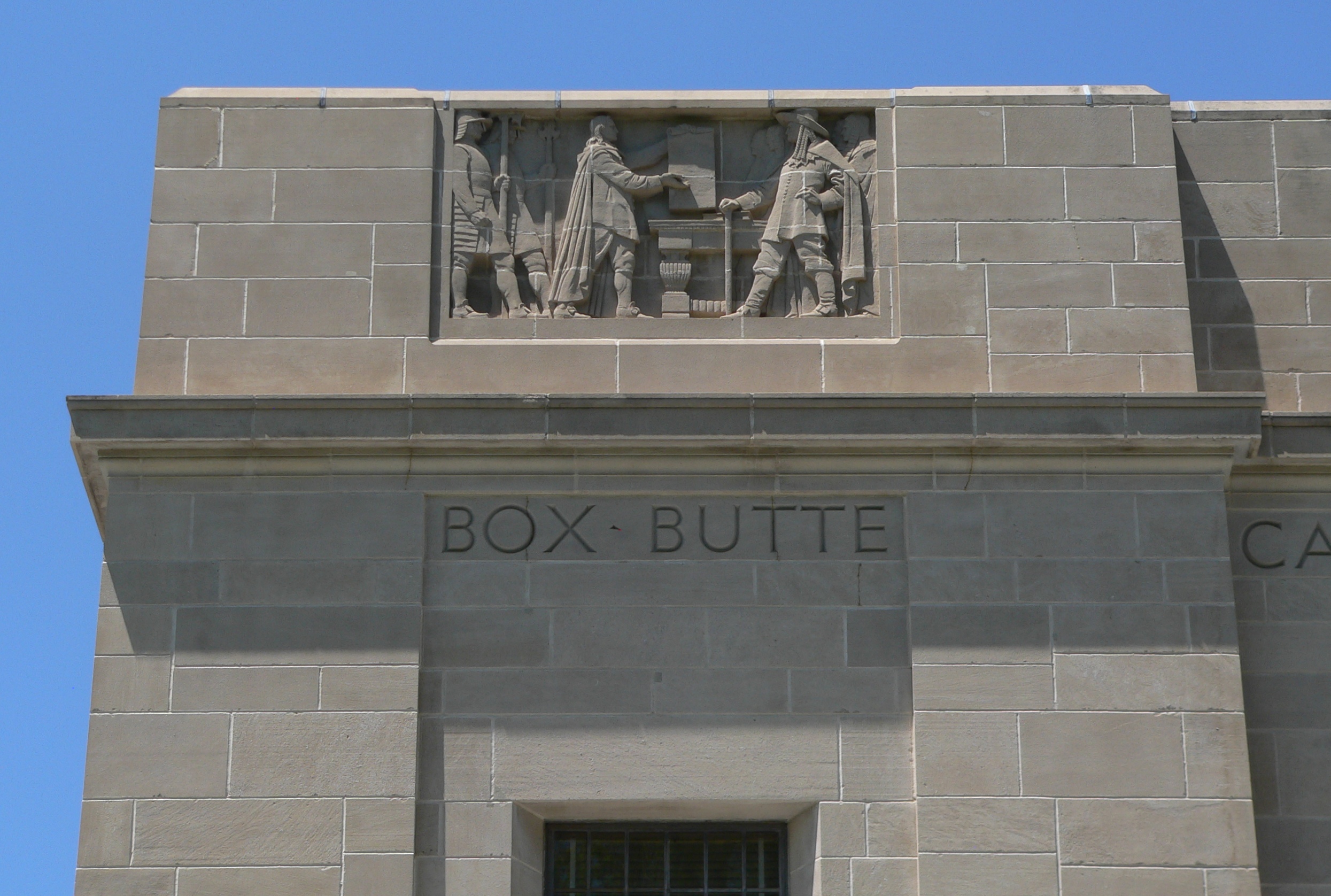
    Picture this: you’re enjoying your daily dose of local news when your name surfaces amidst a hailstorm of defamatory allegations. Your reputation takes a blow, and you decide to fight back by filing a lawsuit. This might sound like a gripping storyline from a TV courtroom drama, but for Mary R, this was a harsh reality. Today we’ll delve into her case, a fascinating battle highlighting the intriguing intersections between public figures, free speech, and defamation law.

    The otherwise bustling city of Baton Rouge, home to the Louisiana State University Tigers and famed for its vibrant Mardi Gras celebrations, became the backdrop of a less joyous event. It was here that Mary R found herself at the center of a legal maelstrom against John L and the consolidated governing body of the city itself. Mary R’s contention? She claimed that John L had cast aspersions on her, uttering false statements that tarnished her good name, while the city officials who could have reined in these allegations simply looked the other way. The case thus began, a small David standing against a massive municipal Goliath.”

    Mrs. R had filed a lawsuit, claiming John L had made false and defamatory statements about her, while the members of the City Parish who could have prevented such defamation failed to do so. The defendants filed a special motion to strike, and the trial court dismissed Mary R’s claims with prejudice in July 2015.

    In a later development, the defendants filed a motion to fix costs and for an award of attorney fees and costs, which the trial court granted. Mary R appealed this judgment, leading us to the crux of the case.

    Mary R alleged that the trial court had abused its discretion in awarding attorney fees and costs, as her lawsuit was not baseless, nor was it instituted to chill speech. The Court of Appeals found that these allegations fell flat under Louisiana Law. To explain, the state’s civil procedure unambiguously states that fees can be awarded if you win a motion to strike.” LA Code Civ Pro 971

    Moreover, the Court added that the statute’s goal was to screen out meritless claims pursued to chill one’ s constitutional rights under the First Amendment of the United States Constitution to freedom of speech and press. In re Succession of Carroll. As such, this left no room for discretion. Hence the Court found no abuse of power in awarding attorney fees and costs to the defendants.

    Mary R also contended the awarded amount was exorbitant, unreasonable, and thus an abuse of discretion. However, this Court upheld that an award consistent with the affidavit submitted by the defendant establishing the amount of legal work performed and the costs associated in addition to that was Mary R and not an abuse of the trial court’s discretion. 

    This appeal shows the importance of transparency in billing practices and the need for clear communication between clients and their attorneys. While Mary R’s major allegations were dismissed, the court’s decision to amend the awarded sum is a subtle reminder of the attorney-client trust’s sanctity and the obligation of attorneys to ensure their bills are accurate and justified.

    As an excellent attorney would confirm, in the complex web of legal proceedings, it’s about winning a case and upholding the highest standards of professional conduct and client service. As such, it is advised to approach a good lawyer or an excellent attorney who understands the nuances of laws and ensures all parties interests are protected.

    Additional Source: MARY R V. JOHN L AND THE CONSOLIDATED GOVERNING BODY OF THE CITY OF BATON ROUGE AND C THE PARISH OF EAST BATON ROUGE

    Written by Brian Nguyen

    Additional Berniard Law Firm Article on Defamation: Louisiana Court Requires Falsity Finding in Lawyer’s Defamation Lawsuit

  • A Life-Altering Car Accident Ignites a Legal Feud

    Imagine, for a moment, living a life of normalcy, the humdrum of day-to-day routines, a steady job, a peaceful existence. Suddenly, an unexpected accident shakes your world, thrusting you into the tumultuous tides of legal proceedings. This is the daunting reality Patricia and Calvin Henderson found themselves in, initiating a monumental case against Amy Lashouto and her insurer, State Farm Mutual Automobile Insurance Company (State Farm).
    In a startling sequence of events, Patricia and Calvin Henderson found themselves in a legal confrontation against Lashouto. The case revolves around Patricia’s car accident, where a motor vehicle driven by Lashouto rear-ended her. Following the accident, the Hendersons filed a lawsuit against Lashouto, her insurer, and State Farm, contending that they were insured under a policy that could compensate them for their losses. State Farm, however, countered this claim, maintaining that the policy did not provide uninsured/underinsured motorist (UM) coverage for the accident.

    After Lashouto and her insurer settled their case with the Hendersons, the couple found themselves embroiled in a legal dispute with State Farm. The latter moved for summary judgment, arguing that Calvin Henderson had validly rejected UM coverage on the policy. Despite the Hendersons’ absence from the hearing, the trial court sided with State Farm, dismissing the UM coverage claims.

    Under Louisiana law, a motion for summary judgment shall be granted only if the evidence admitted for purposes of the motion for summary judgment shows there is no genuine issue of material fact and that the mover is entitled to judgment as a matter of law. LA Code Civ. Pro 966. During their appeal, the Hendersons argue that neither Patricia nor Calvin received sufficient information to make an informed decision. 

    State Farm’s evidence includes a UM Coverage form, signed by Calvin, indicating the rejection of UM coverage. Further evidence includes excerpts from Calvin’s deposition, where he identified his signature on the rejection form. However, the Hendersons disputed these claims, presenting an affidavit by Calvin stating that he was instructed to sign an initial at certain places on the form to obtain maximum UM coverage. He further attests that his wife Patricia was never informed about this coverage.

    Based on Louisiana’s Court Civil Procedure, the Court of Appeals used the same criteria for rendering judgment as the trial court. Schultz v. Guoth. Considering the Hendersons’ absence, the Court further concluded that the affidavit is insufficient evidence to establish that the Hendersons will be able to satisfy their evidentiary burden of proof at trial. Despite Henderson’s assertions, the affidavit was inconsistent with his previous deposition testimony. Due to the inconsistencies and the absence of the Hendersons at the summary judgment hearing, the Court affirmed the trial court’s decision.

    Overall, the case of Henderson v. Lashouto shines a spotlight on the intricacies of personal injury lawsuits, underlining the importance of understanding the specifics of insurance policies and the implications of informed consent. As such, it is advised to seek expert legal counsel to navigate such multifaceted scenarios and safeguard all parties’ interests.

    Additional Source: Henderson v. Lashouto

    Written by Brian Nguyen

    Additional Berniard Law Firm Article on Insurance Dispute: Understanding Insurance Exclusions: A Case of Property Damage Coverage for Borrowed Cars

  • How do Conditions on Payments in Louisiana Workers’ Compensation Work?

    Louisiana’s Workers’ Compensation fund exists to pay employees injured at work.  Payment can be used for medical care and lost wages.  When parties sign a settlement agreement on payment terms, an employee may assume payment is imminent.  In a recent case from Rapides Parish, an employee discovered some conditions in a settlement may delay payment.  

    Mary Ortega sustained an injury while employed by Cantu Services.  Ortega filed a Disputed Claim for Compensation, and the parties entered a settlement agreement.  The parties settled for $120,000.  $56,049 of the total was allocated to a Medicare set-aside agreement (MSA) to cover future medical expenses related to the work injury. The MSA was filed with the Centers for Medicare and Medicaid Services (CMS) for approval.  The parties agreed that if CMS did not approve the full amount in the MSA, the employer would adjust the amount paid in monetary benefits, so Ortega would still receive $120,000.  Several months after signing the agreement, Ortega had not received any payments.   She filed a motion to enforce the settlement agreement plus a request for fees and penalties before the Office of Workers’ Compensation.   

    The Workers’ Compensation Judge (WCJ) denied Ortega’s request because payment under the settlement agreement was conditioned on first getting approval from the MSA.   Pending approval suspended the statutory requirement of payment within thirty days.    Ortega appealed to the Louisiana Third Circuit Court of Appeal.     

    The main issue on appeal was whether pending approval of the MSA was a condition that suspended any payments to Ortega.  Ordinarily, Louisiana law requires payment following final judgment or settlement to be made within thirty days.  However, nonpayment due to conditions over which the employer had no control prohibits nonpayment penalties.  See La. R.S. 23:1201(G). A suspensive condition suspends enforcement of an obligation until a certain event occurs.  See La. C.C. 1767.   A suspensive condition that depends solely on the whim of the obligor voids the condition.  See La. C.C. 1770.  The Louisiana First Circuit Court of Appeal found that in a case factually similar to Ortega’s, pending CMS approval of an MSA suspended, the obligation to fund the MSA account until approved.  See Harrelson v. Arcadia.  

    In Ortega’s case, the settlement agreement specifically allocated $56,049 to the MSA, contingent on CMS’ approval.  The Third Circuit agreed with the WCJ that this was a suspensive condition out of the employer’s control.  The parties agreed that if the full amount submitted in the MSA was not approved, the monetary award would be adjusted so Ortega would still receive $120,000. The Third Circuit noted as a practical matter, the employer would not know how much to disburse until CMS approved a total for the MSA monetarily.  Ortega’s attempt to enforce the settlement agreement was denied.   

    Terms of a settlement agreement must be adhered to, and an experienced lawyer can help decipher and appropriately advise on those terms.  In this case, the settlement agreement specified a condition that had to be met before payment disbursement.  A careful understanding and explanation by an excellent lawyer is required to understand conditions to payments in workers’ compensation cases.    

    Additional Sources: Mary Ortega v. Cantu Services, Inc. et. al.

    Written By: Stephanie Burnham 

    Additional Berniard Law Firm Articles on Workers’ Compensation: Is Strict Compliance With Settlement Agreement Terms Required?

  • Louisiana Court Denies Workers Compensation for Injured Minor

    Injury in the workplace can usually be avoided with proper safety measures in place. Safety measures, however, become hard to enforce when minors and adults work in conjunction. This was the case for Austin Griggs, an illegally employed minor injured in a forklift accident while working.
    Bounce N’ Around Inflatables, LLC (BNA) supplies rentable party inflatables for personal or corporate events. When not in use, the inflatables are stored on racks that are 10 feet high. To move the inflatables, a battery-operated pallet jack was required. Griggs began working for BNA at the age of 14. BNA employed about 12 minors at the time Griggs was injured. Griggs testified that he had never been told that a work permit was required to work at BNA.

    On the day of injury, Griggs was helping another employee pick up and sort the inflatables. This required Griggs to get the inflatable onto the forklift, and then the other employee would use the forklift to move the inflatable into the rack. During this process, Griggs was required to use his weight to counterbalance the inflatable as the forklift lifted the inflatable upwards. Griggs testified that this was standard practice at BNA. During the lift, Griggs fell off the forklift. Then, the inflatable followed, landing on Griggs’s lower back. 

    When Ms.Griggs picked up Griggs from work, she immediately took Griggs to Ascension Urgent Care. Griggs was diagnosed with a closed metatarsal fracture and told to seek further evaluation and treatment with an orthopedist. Thus, Ms. Griggs took Griggs to Baton Rouge Orthopedic Clinic the following morning. Ms. Griggs called the owner of BNA to confirm that Griggs could be treated with BNA’s insurance through Louisiana Commerce & Trade Association Self-Insurers’ Fund. During the call, BNA’s owner instructed Ms. Griggs not to mention the forklift usage when utilizing the insurance. Griggs was seen by a doctor who later installed fixation hardware to Griggs’s fractured foot. 

    As a result of Grigg’s injuries, Ms. Griggs filed a lawsuit against BNA and their insurer. The trial court issued a judgment, holding that Griggs was illegally employed and engaged in illegal activities at the time of injury. The trial court found that Griggs could proceed with a tort claim despite this. This holding relied upon the reasoning in Ewert v. Georgia Casualty & Surety, Co. The trial court rendered judgment in favor of Griggs for $125,000 for general damages and $ 24,517.93 for special damages, plus legal interest and all costs of the proceedings. The trial court further found that BNA’s insurer was entitled to reimbursement from Griggs for the sums paid for medical expenses, mileage, and lost wages, totaling $ 25,867.93.

    On appeal, BNA argued that the trial court’s general damages determination was an abuse of discretion and that the court improperly allowed Griggs to make a tort claim. Without the ability to make a tort claim, Griggs would be required to make a claim through the Louisiana Workers’ Compensation Act. This Act, however, would not allow Griggs to make a claim because he was illegally employed and committing an illegal act when he was injured. The First Circuit agreed with BNA and reversed the trial court’s holding. The monetary damages were reversed, and all legal fees incurred on appeal by BNA were assessed to the Griggs family. 

    Austin Griggs’s case underscores the intricate nature of legal proceedings involving minors in the workforce and the complexities of tort claims in such scenarios. The appellate litigation brought forth various aspects of the case, including the implications of Griggs’s illegal employment status on his ability to pursue claims through the Louisiana Workers’ Compensation Act. The First Circuit’s decision highlighted the importance of understanding the legal landscape and the potential consequences of both plaintiff’s and defendant’s actions. When faced with complex legal scenarios like the Griggs case, securing the guidance of a proficient attorney becomes crucial in deciphering the nuances of the law and navigating the multifaceted terrain of appellate litigation.

    Additional Sources: Griggs v. Bounce N’ Around Inflatables L.L.C. 

    Written by Berniard Law Firm Writer Riley Calouette

    Additional Berniard Law Firm Article on Workers Compensation: How Can You Get Workers Compensation When Your Employer Won’t Pay It?

  • Louisiana Court Finds Hospital Director Void of Liability in Medical Malpractice Suit Involving His Staff

    A visit to the hospital is a stressful and anxious time for patients and family members. Most people, however, assume that their doctors are competent and will administer the proper standard of care. This was not the case for Richard Smallwood. 

    Smallwood fell at his home and sustained bilateral patella tendon ruptures. He was admitted to the Ochsner-Baptist Hospital for surgery to repair the ruptures in his tendon. After a complicated postoperative course, Smallwood was discharged to another Oschner unit. After some time in the nursing unit, Smallwood died. The autopsy revealed that he had suffered a pulmonary embolism, a secondary result of his deep vein thrombosis (DVT). Since Smallwood had been in “generally good health” before the surgery, his sudden death was shocking. The petition for this case alleged that Smallwood was not given the appropriate prophylactic anti-coagulant medication in violation of the standard of care.

    Since pulmonary embolisms are a common secondary result of DVT, Dorothy Pennington alleged a medical malpractice claim against the doctors and nurses in charge of Smallwood’s care. This included Dr. Todd, Dr. Hawawini, Dr. Jones, Dr. Ulfers, and the Ochsner Clinic Foundation. After moving for a directed verdict, the trial court found that all parties except Dr. Hawawini were liable for medical malpractice. Since Dr. Hawawini acted as the Hospital Director at the time of Smallwood’s death, it was challenging to show that Dr. Hawawini had breached a standard of care. This case centered around whether Pennington had properly established the standard of care and breach with respect to Dr. Hawawini. 

    La. R.S. 40:1231.1 A(13) defines how medical malpractice occurs under Louisiana law. To allege a medical malpractice claim, the plaintiff must prove the three elements outlined in La. R.S. 9:2794 A. First, the plaintiff must establish the ordinary degree of knowledge, skill, or care exercised by physicians licensed to practice in Louisiana. Second, the plaintiff must establish that the defendant doctor lacked that degree of knowledge or skill or failed to exercise reasonable care. Finally, the plaintiff must also show that a lack of knowledge, skill, or reasonable care caused the plaintiff’s injuries. 

    Generally, expert testimony must “establish the applicable standard of care in medical malpractice cases. Schultz v. Guoth. Thus, Pennington retained Dr. Frangipane to testify as an expert to prove the applicable standard of care. Dr. Frangipane was a general surgeon and did not practice in the unique specialties of each named defendant. The trial court, however, allowed Dr. Frangipane to testify because he was qualified enough to be deemed an expert in the field. On appeal, the Fourth Circuit Court of Louisiana looked to determine whether the trial court ruled properly in allowing Dr. Frangipane to testify as an expert. 

    The Fourth Circuit determined that Dr. Frangipane’s expert testimony was proper because his knowledge overlapped the various disciplines of the named defendant doctors. Furthermore, the court indicated that “[g]enerally, the fact that a medical doctor is not a specialist in a particular field applies only to the effect on the weight to be given such testimony, not to its admissibility.” Hubbard v. State, 852 So. 2d 1097 (2003). The Fourth Circuit affirmed the directed verdict for Dr. Hawawini and reversed the directed verdict for the remaining defendants. 

    Home accidents are scary enough without the added fear of medical malpractice once you reach the hospital. A good attorney will fight to ensure that your doctor gives you the proper standard of care during your stay at the hospital or another affiliated facility. 

    Additional Sources: Pennington v. Ochsner Clinic Foundation, 245 So. 3d 58 (2018) 

    Written by Berniard Law Firm Writer Riley Calouette

    Additional Berniard Law Firm Article on Medical Malpractice: Doctors Not Required To Act Perfectly: Determining The Applicable Standard of Care In Medical Malpractice Lawsuits

  • Louisiana Court in East Baton Rouge Evaluates and Reverses Due Process Violation Judgment

    The fundamental right to due process is a cornerstone of constitutional protection, ensuring that individuals are treated fairly within legal proceedings. Nevertheless, the delicate line between potential bias and genuine due process violations is not always easily discernible. A telling example can be found in a noteworthy case from East Baton Rouge, where the revocation of a psychologist’s license came under scrutiny for alleged due process infringements. This case probes the intricate considerations surrounding bias, procedure, and the boundary between legitimate legal actions and violations of constitutional rights.

    This case concerns the revocation of Dr. Eric R. Cerwonka’s psychologist’s license. An administrative complaint and supplemental notice, including an additional statement of material facts and matters, was filed against Dr. Cerwonka, alleging he violated the Louisiana State Board of Examiners of Psychologists (the Board’s) rules and regulations. After a disciplinary hearing, the Board revoked his license to practice psychology in Louisiana. Dr. Cerwonka then filed a petition with the Nineteenth Judicial District Court for the Parish of East Baton Rouge, where he claimed the Board lacked substantial evidence showing his license should be revoked and that his right to due process was violated. 

    The District Court found the Board violated Dr. Cerwonka’s right to due process by allowing a member of the same law firm as the Board’s general counsel to serve as presiding officer during the administrative proceeding and by permitting the individual who represented Dr. Cerwonka in a prior legal matter to serve as the Board’s prosecuting attorney.  

    An appeal with the Louisiana First Circuit Court of Appeal follows. It is undisputed that Amy Groves Lowe, the Board’s general counsel, was a member of the same legal firm as the presiding officer at the administrative hearing, Lloyd Lunceford. The Board, however, contends that this connection, without a showing of impropriety, is not enough to violate Dr. Cerwonka’s due process. 

    After reviewing applicable law, the Court of Appeal agreed with the Board and found that a party basing their procedural due process claim on a combination of functions must show the risk of bias is intolerably high. In other words, the existence of a combination of functions is not enough to support a claim. See Withrow v. Larkin.

    The Court of Appeal found that Ms. Lowe did not prosecute or defend the allegations against Dr. Cerwonka, took no position on any of the objections put forth by James R. Raines, the Board’s prosecuting attorney, or the defense counsel, did not cross-examine any witnesses, lodge any objections, or advocate for any party. Additionally, the Court of Appeal found that Mr. Lunceford did not decide the merits of the underlying case but merely ruled on the admissibility of testimony and evidence. Under these circumstances, the Court of Appeal found that, without showing actual bias or prejudice, the fact that Ms. Lowe and Mr. Lunceford were members of the same legal firm was insufficient to deny Dr. Cerwonka his due process rights. 

    Next, the Board claimed the District Court erred in finding that Mr. Raines, prosecuting attorney, violated Dr. Cerwonka’s due process. Dr. Cerwonka argued, in part, that Mr. Raines represented Dr. Cerwonka in a prior custody case where a substantial fee dispute arose between Mr. Raines’ legal firm and Dr. Cerwonka and, therefore, Mr. Raines should have been recused. Under LA. R. Prof’l. Cond. 1.9; an attorney is prohibited from representing a person or entity that is adverse to a former client when the matters are the same or substantially related. 

    However, the Court of Appeal found that the issues presented in the former child custody or collections matter and the current licensing issue could not be considered substantially related. Accordingly, the Court of Appeal found the employment of Mr. Raines did not violate Dr. Cerwonka’s due process rights as prosecuting attorney in this matter. As such, the District Court’s judgment was reversed.     

    This case is a poignant reminder that due process is nuanced and requires careful evaluation. While bias concerns may arise, it takes more than just associations and connections to definitively prove a breach of due process rights. The East Baton Rouge case underscores the importance of meticulous scrutiny of the circumstances, showing that the mere existence of affiliations or past relationships isn’t necessarily indicative of bias or prejudice. Legal proceedings can be intricate terrain, and in instances where due process claims emerge, the guidance of a skilled attorney becomes invaluable in navigating the complexities and securing justice.

    Additional Sources: IN THE MATTER OF DR. ERIC R. CERWONKA, PSY.D

    Written by Berniard Law Firm Blog Writer: Samantha Calhoun

    Additional Berniard Law Firm Articles on Due Process: Baton Rouge Man Accuses District Court of Abusing Its Discretion and Denying Him Due Process — Louisiana Personal Injury Lawyer Blog

  • Lafourche Parish Court Demonstrates the Importance of Employee-Employer Relationship in Workers’ Compensation Cases

    Unfortunately, accidents in the workplace are not uncommon. What happens, however, if you unknowingly signed an agreement making your employer immune from a liability claim? The following Lafourche Parish case outlines this predicament. 

    In September 2013, Neville Patterson signed multiple documents with Raceland Raw Sugar, LLC (RRS) and Raceland Equipment Company, LLC (REC) to haul sugar cane for the former. Included in this paperwork was an indemnification agreement identifying Patterson as the contractor and RES and RRS as statutory employers. 

    Two months later, Patterson created N-A-N Trucking, LLC (N-A-N) and started to operate his truck. Following this development, RRS began making checks from hauls payable to N-A-N. These checks were endorsed by Patterson, who continued to receive driver wages from REC. 

    The following month, Patterson was unloading the trailer at the RRS mill when a cable broke, forcing the trailer to fall on the truck and injure his back and neck. Patterson then filed a claim for damages, naming REC and RRS as defendants, asserting he was an employee of N-A-N, and claiming the accident that caused his injuries resulted from RRS’ and REC’s negligence. RRS and REC responded by claiming that Patterson was REC’s direct employee and RRS’ statutory employee, barring his claims via the Louisiana Workers’ Compensation Act. 

    The 17th Judicial District Court for the Parish of Lafourche denied the motion submitted by RRS and REC, noting conflicting evidence on whether Patterson was a direct employee of REC and inconsistent evidence on whether the indemnification agreement showed that he was N-A-N’s employee or a contractor with REC and RRS. REC and RRS then renewed their motion for summary judgment. 

    In their renewal, RRS and REC claimed that Patterson was an independent contractor of both companies via a written agreement compliant with Louisiana law, conveying statutory employer status on RRS and REC and making them immune from civil tort liability. Patterson then argued that he was an employee of N-A-N and no contract existed between RRS and N-A-N. 

    The District Court then dismissed Patterson’s claims and granted summary judgment, finding the indemnification agreement signed by Patterson demonstrated a rebuttable presumption of a statutory employment relationship. The court also found Patterson, who had the burden of proving the relationship was severed when he formed N-A-N, failed to deliver any proof the contract was revoked under law. Patterson then filed an appeal with the Louisiana First Circuit Court of Appeal. 

    Under La. R.S.23:1061, a statutory employer relationship does not exist unless a written contract between the principal and a contractor recognizes the principal as the statutory employer. Additionally, the contractually recognized relationship can be overcome by showing the work performed was not an integral or essential part of the generation of the principal’s goods, products, or services. Further, the employer seeking to avail itself of tort immunity holds the burden of proving it. See Fleming v. JE Merit Constructors, Inc.

    The Court of Appeal found that Patterson entered into an indemnification agreement in his capacity, which listed him as a contractor. Additionally, because the agreement recognized RRS and REC as statutory employers and Patterson as an owner/operator, the Court of Appeal found it was unnecessary to enter into an additional contract following the formation of N-A-N. Next, as the court found the agreement between Patterson and RRS and REC conveyed a statutory employer status, there existed a rebuttable presumption of a statutory employer relationship. The Court of Appeal found Patterson failed to deliver proof to rebut this presumption by showing that hauling sugar cane to a sugar mill was not crucial to the ability of the principal to produce its products, goods, or services. As such, the District Court’s judgment was affirmed. 

    This case shows the importance of hiring an experienced attorney to review all employee-employer documents before signing them, as you may be entering into a relationship agreement that would bar you from receiving compensation in the case of an accident. The right attorney can also help you provide the evidence necessary to prove your lawsuit.  

    Additional Sources: NEVILLE PATTERSON VERSUS RACELAND EQUIPMENT COMPANY, LLC AND RACELAND RAW SUGAR LLC D/B/A RACELAND SUGAR MILL

    Written by Berniard Law Firm Blog Writer: Samantha Calhoun

    Additional Berniard Law Firm Articles on the Importance of Evidence in Workers’ Compensation Lawsuit: Workers’ Compensation Lawsuits and the Battle for Evidence — Louisiana Personal Injury Lawyer Blog

  • Liability in Product-Related Injury Cases: Key Legal Questions and Liability Theories

    When an injury related to a product occurs, assigning fault can involve multiple parties. In personal injury litigation, crucial legal questions arise regarding whom the plaintiff can seek compensation from, if anyone, and the underlying theory of liability. The following case offers a valuable exploration of common liability theories often encountered in product-related injury cases.

    During their stay at a PNK Lake Charles, L.L.C. casino hotel (from now on “PNK”) in July 2015, Anthony Luna, who had limited mobility due to a recent knee surgery, was provided a wheelchair by a PNK employee. While being pushed to their hotel room by one of his children, the wheelchair suddenly stopped, jamming Luna’s foot. Luna inspected the wheelchair but found nothing amiss. However, during another ride, the wheelchair abruptly stopped again, breaking the front left wheel in half and collapsing.

    Anthony and Dana Luna and their minor children filed a lawsuit against PNK, alleging negligence and seeking damages under La. C.C.P. art 2315 and La. C.C.P. art 2317. They claimed that PNK’s negligence in providing a defective wheelchair caused injuries to Luna, hindering his recovery following knee surgery.

    To establish custodial liability in Louisiana, the plaintiffs needed to prove four elements: (1) PNK had custody of the wheelchair; (2) the wheelchair had a defect posing an unreasonable risk of harm; (3) the defect caused the damage; and (4) PNK knew or should have known about the defect. The plaintiffs also invoked the doctrine of res ipsa loquitur, which allows the court to infer negligence if the facts indicate that PNK’s negligence was more probable than not the cause of the injury. See Cormier v. Dolgencorp, Inc

    The Fifth Circuit reviewed the district court’s grant of summary judgment de novo, applying state substantive law. The court found the lack of inspection by PNK did not establish constructive knowledge of the defect since no evidence indicated that an inspection would have revealed it. Luna had inspected the wheelchair himself after the initial incident and found nothing wrong. Consequently, the lack of inspection did not prove constructive knowledge.

    The court also determined that res ipsa loquitur did not apply because the inference of a hidden defect was equally as likely as the inference that a detectable defect caused the accident. As a result, the court affirmed the district court’s decision to grant summary judgment in favor of PNK and Zurich.

    This case shows the complexities surrounding assigning liability in product-related injury cases. This case is a valuable reference in understanding the legal intricacies surrounding product-related injuries and the burden of proof required to seek compensation from the parties involved. It also helps show the need for experienced counsel when proceeding with a product liability lawsuit in court. 

    Additional Source: ANTHONY R. LUNA v. P N K LAKE CHARLES L.L.C.

    Written by Berniard Law Firm Blog Writer: Juliana Greco 

    Additional Berniard Law Firm Article on Product Liability Claims: Louisiana Court of Appeal Discusses Theories of Liability in Products-Related Injury Case

  • Faulty Foundations: Battling the Dark Side of Medical Innovation – The Defective Medical Device Lawsuit Saga

    Medical professionals are expected to uphold a standard of care in their practice. Unfortunately, life can present us with unfortunate circumstances where this standard is not met. When we experience injuries or worse due to the actions of those responsible for our treatment, healing, or diagnosis, medical malpractice claims can serve as a means to seek compensation and justice.

    In a recent legal battle that captured attention, a lawsuit between Randy A. Roberts, Sr., Johnson & Johnson, Inc., and its subsidiary Ethicon, Inc., took an intriguing turn. Roberts alleges that he suffered injuries caused by a defective medical device manufactured by J&J, leading him to file a product liability lawsuit. However, a district court granted summary judgment in favor of the defendants, prompting an appeal. 

    Roberts claims that during a hernia repair surgery in 2006, a Prolene Hernia System (PHS) produced by J&J was implanted in his body. Subsequently, he experienced debilitating pain, requiring three surgeries in 2015 to remove the PHS due to an infection. Dissatisfied with the outcome, Roberts initiated legal action against J&J, seeking damages under Louisiana law.

    Roberts alleges the medical device implanted in his body was defective, leading to his suffering and subsequent surgeries. He contends that J&J should be held responsible for the injuries and damages he sustained due to the defective product. The trial court applied the standard of review for summary judgment, which involves determining whether there is a genuine dispute of material fact. Fed. R. Civ. P. 56(a). Under this standard, the court reviews all evidence and draws reasonable inferences in favor of the non-moving party. Hanks v. Rogers.

    The Fifth Circuit Court of Appeals carefully examined the evidence presented by both parties. Roberts provided medical records from his 2015 surgeries that confirmed the presence of a PHS, supporting his claim the device was implanted during the 2006 surgery. On the other hand, J&J relied on the 2006 records, which suggested that Roberts had a different product implanted.

    The court emphasized that all evidence and reasonable inferences should be viewed in favor of the non-moving party at the summary judgment stage. In this case, Roberts’ evidence created a genuine dispute of material fact, as it allowed for a reasonable inference the PHS was indeed implanted during the 2006 surgery. The court disagreed with J&J’s argument that the 2006 records should be favored, noting that computer and medical records are not infallible.

    As a result, the Fifth Circuit Court of Appeals vacated the district court’s grant of summary judgment, meaning the initial decision was overturned. The case was remanded to the district court for further proceedings, allowing both parties to present their arguments and evidence.

    In a significant development, the Fifth Circuit Court of Appeals overturned the grant of summary judgment in Roberts’ defective medical device lawsuit against J&J. The court found there was a genuine dispute of material fact, supporting Roberts’ claim that Prolene Hernia System (PHS) was implanted during his surgery. The case was remanded to the district court for further proceedings, allowing both parties to present additional evidence and arguments.

    Additional Source: RANDY A. ROBERTS, SR.; NATASHA ROBERTS v. JOHNSON & JOHNSON, INCORPORATED; ETHICON, INCORPORATED

    Written by Berniard Law Firm Blog Writer: Juliana Greco Additional Berniard Law Firm Article on Louisiana Pain and Suffering cases: Summary Judgment Granted in Medical Malpractice Lawsuit Against Louisiana State University Health Systems and Failure of Hospital Staff to Properly Notify Patient of Device Manufacturer Notice Leads to Medical Malpractice Liability