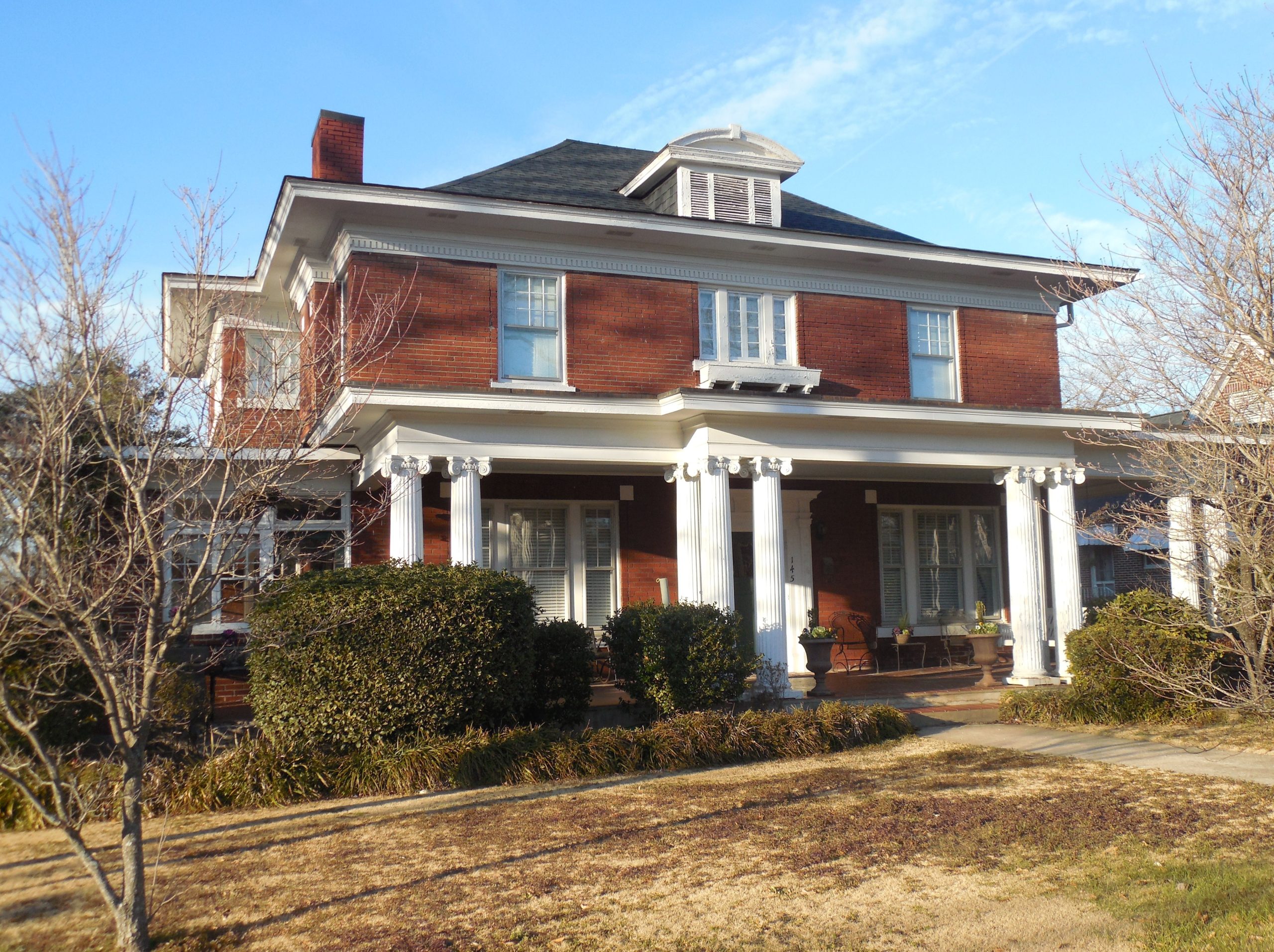
 In order to recover under a homeowner’s policy, there are many requirements with which you must comply. One common requirement is providing the insurer with requested documentation and undergoing an examination under oath where the insurer can ask questions and gather information relevant to the claim. What happens if a homeowner delays undergoing an examination under oath?
Jesse and Dena McCartney’s house was destroyed in a fire. They filed a claim with Shelter Mutual Insurance, who issued their homeowner’s policy. Their policy required that they cooperate with the insurer, including answering questions under oath and submitting proof of loss. The McCartneys filed a lawsuit against Shelter for refusing to pay them anything.
Shelter filed a summary judgment motion, arguing the McCartneys had not provided the required requested information and had refused to submit to an examination under oath. The McCartneys claimed they had not refused to cooperate with the investigation and had submitted documentation and recorded statements. They also claimed they had only postponed the examination under oath, not refused it. They noted Shelter had requested an examination under oath more than sixty days after the McCartneys submitted their proof of loss, which was after the time by when Shelter was required to pay them or make a settlement offer. The trial court granted Shelter’s summary judgment motion, explaining the McCartneys had voided their policy by not submitting to an examination under oath. The McCartneys filed an appeal.
Cooperation clauses in insurance policies protect insurers from fraud by allowing it to obtain relevant information about the purported loss close in time to the incident at-issue. See Johnson v. Geovera Spec. Ins. Co. If an insured violates the cooperation clause, it is considered a material breach of the insurance contract. One way to violate the cooperation clause is by refusing to provide requested documentation or submit to an examination under oath. See Hamilton v. State Farm Fire & Cas. Ins. Co.
The appellate court considered the evidence Shelter had provided in support of its summary judgment motion. This included an affidavit from the claims representative who had investigated the claim. She explained coverage questions arose during the investigation when they learned at the time of the fire, the McCartneys had been living across the street from the house that burned down. The representative also testified about letters and requests that had been sent to the McCartneys, including a request for them to have an examination under oath. A paralegal at a law firm who represented Shelter submitted an affidavit about letters from the McCartneys’ counsel requesting to postpone and reschedule the examination under oath.
The appellate court held Shelter was not entitled to summary judgment given its delay in requesting an examination under oath. Further, the McCartneys and their counsel had never refused to undergo an examination under oath; rather, they had sought to reschedule it. Shelter did not provide any evidence the McCartneys’ actions or inactions had prejudice them. Therefore, the appellate court reversed the trial court’s grant of summary judgment in favor of Shelter.
While it is important to cooperate after you have filed a claim with your homeowner’s insurer, a good attorney can advise you if your insurer is improperly claiming you have not cooperated with their investigation of your claim.
Additional Sources: Jesse and Dena McCartney v. Shelter Mutual Ins. Co.
Article Written By Berniard Law Firm
Additional Berniard Law Firm Article on Homeowners’ Insurance: Homeowners Recover Full Amount of Wood Floor Damages and Home Insurance Company is Sanctioned for Delay
 No one should have to deal with sexual harassment in the workplace. If you are dealing with sexual harassment at work and you report it to your employer, you hope they will act on your report. How do actions taken by your employer affect your ability to recover for sexual harassment in court?
 One of the joys of owning property is dealing with potential property disputes. Such disputes can get especially complicated when they involve old surveys and records and promises from prior owners. This case illustrates the importance of doing due diligence before purchasing property so you understand which of your neighbors might have the right to use part of your property.
 We have all heard the saying “time is of the essence.” This is especially true when you are filing a lawsuit. If you do not comply with the statutory requirements for how long you have to file a lawsuit, a court will be unable to hear your claim. Although certain exceptions apply that extend your timeline for filing a lawsuit, there are strict evidentiary requirements for these exceptions to apply.
  In the heart of Lafayette Parish, Louisiana, tragedy struck on Interstate 10 as a routine drive turned fatal. Arthur Huguley, behind the wheel of a tractor-trailer for AAA Cooper Transportation, found himself in a situation that would forever alter the lives of those involved. A blown-out tire, a series of events, and a wrongful death lawsuit brought forth by Curley Mouton’s surviving family members set the stage for a courtroom drama that unfolded with unexpected twists. In the end, a jury assigned fault, but the defendants, Huguley, AAA Cooper, and their insurer, were not ready to accept the verdict without a fight. This article explores the intricacies of their appeal, shedding light on the compelling arguments presented and the complexities of apportioning fault in a tragic accident.
 In a world where news headlines often feature calamitous industrial disasters, it’s hardly surprising to find legal battles trailing in their wake. The following case involves multiple individuals who filed lawsuits against the owner of a facility in Iberia Parish, Louisiana, that had a large fire.
  Dealing with the aftermath of a flood is never fun. This is especially true when the flood damages one of your vehicles. This is the situation Michael Jacobs found himself in after one of his cars was damaged in a flood. After a long fight with his insurance company, he eventually prevailed and was awarded damages.
  Prescription. Some may relate this term to the medical field and taking pills. But in Louisiana, it has an entirely new meaning. Think of the common phrase “the statute of limitations” many other states use. It’s just like that. A limit is set that blocks claims from being brought after a certain amount of time has passed from the original incident. In this case, the Fifth Circuit Court of Appeal addresses whether an insurance company’s peremptory exception of prescription could be sustained.
 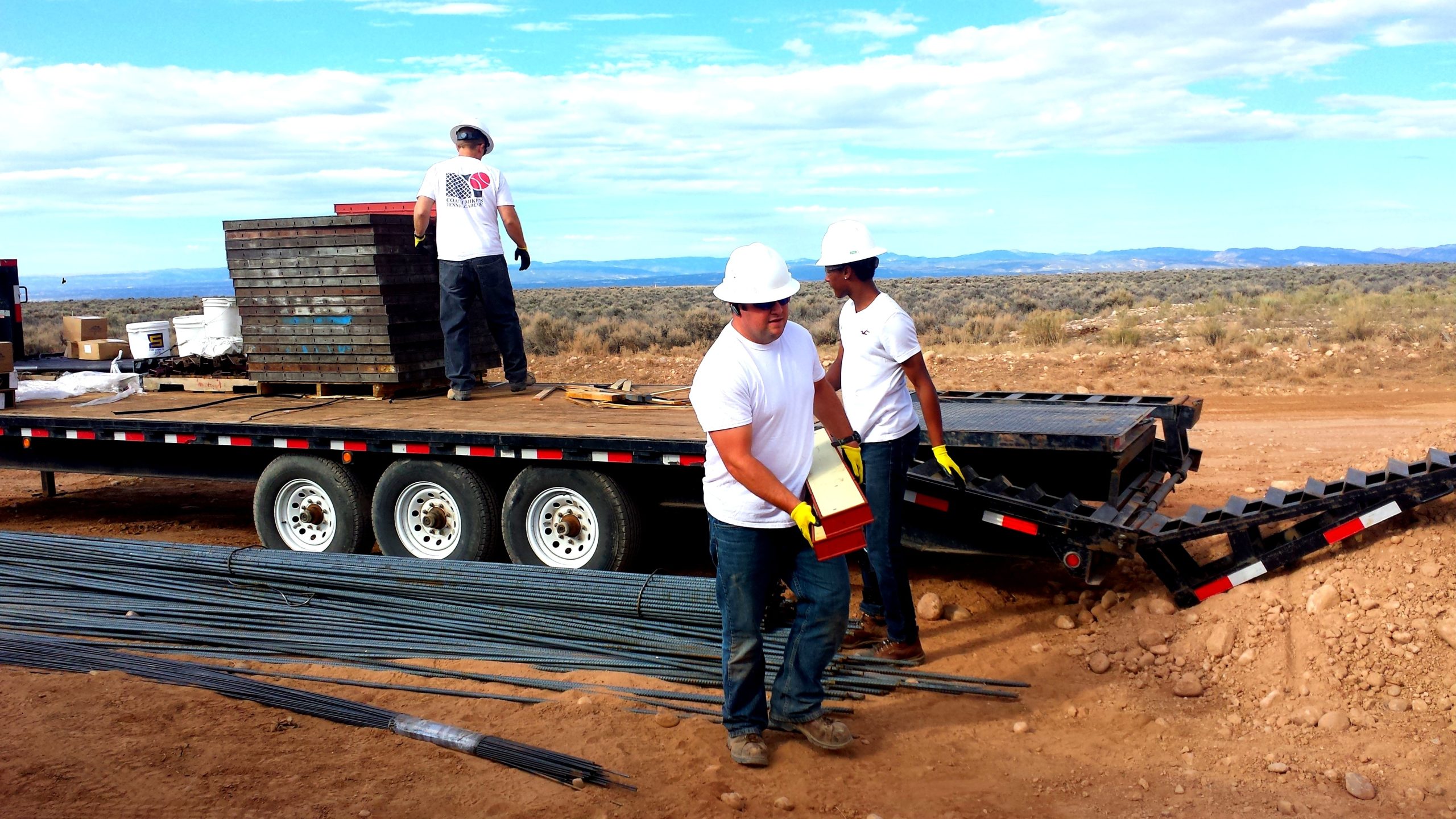 If you are injured on the job, one of your primary concerns is likely finding competent medical care. Under the Louisiana Workers’ Compensation Act, injured workers can select one physician of any specialty without their employer’s approval. What happens if your employer refuses to pay for your selected physician?
  When you think about medical malpractice lawsuits, a botched surgery or missed diagnosis are likely the first things that come to mind. The following case involves a less common situation involving purported medical malpractice involving physical therapy post-surgery. It analyzes the relationship between a doctor and a physical therapist and whether a doctor can be vicariously liable for the actions of a physical therapist.