 The following case deals with a common scenario: a guest gets injured at a business and sues, alleging negligence. But the legal outcome hinges on a crucial factor – whether the business owner knew or should have known about the dangerous condition that caused the injury.
Case Summary
Melanie Mark was injured when a wooden step on a cabin staircase collapsed at a KOA campground in Lafayette, Louisiana. She sued KOA, claiming they were negligent in maintaining the property. However, the trial court granted summary judgment in favor of KOA, finding that Ms. Mark failed to prove KOA had any knowledge of the defect in the stairs. Ms. Mark appealed this decision.
Legal Principles
The court’s decision revolved around Louisiana Civil Code Article 2317.1, which deals with premises liability. Here’s the key takeaway:
Knowledge is Key: Property owners are only liable for injuries caused by defects if they knew, or should have known, about the defect and failed to exercise reasonable care to prevent the damage.
The court also considered the duty of care owed by innkeepers to their guests:
Innkeeper’s Duty: Innkeepers have a heightened duty to ensure their premises are safe and to warn guests of any hidden dangers. This includes conducting reasonable inspections.
The Court’s Analysis
The appeals court reviewed the evidence and found no indication that KOA knew or should have known about the rotten step. Here’s why:
No Prior Complaints: KOA had no record of any prior complaints or issues with the stairs.
Regular Maintenance and Inspections: KOA conducted regular maintenance and yearly inspections, and no defects were found.
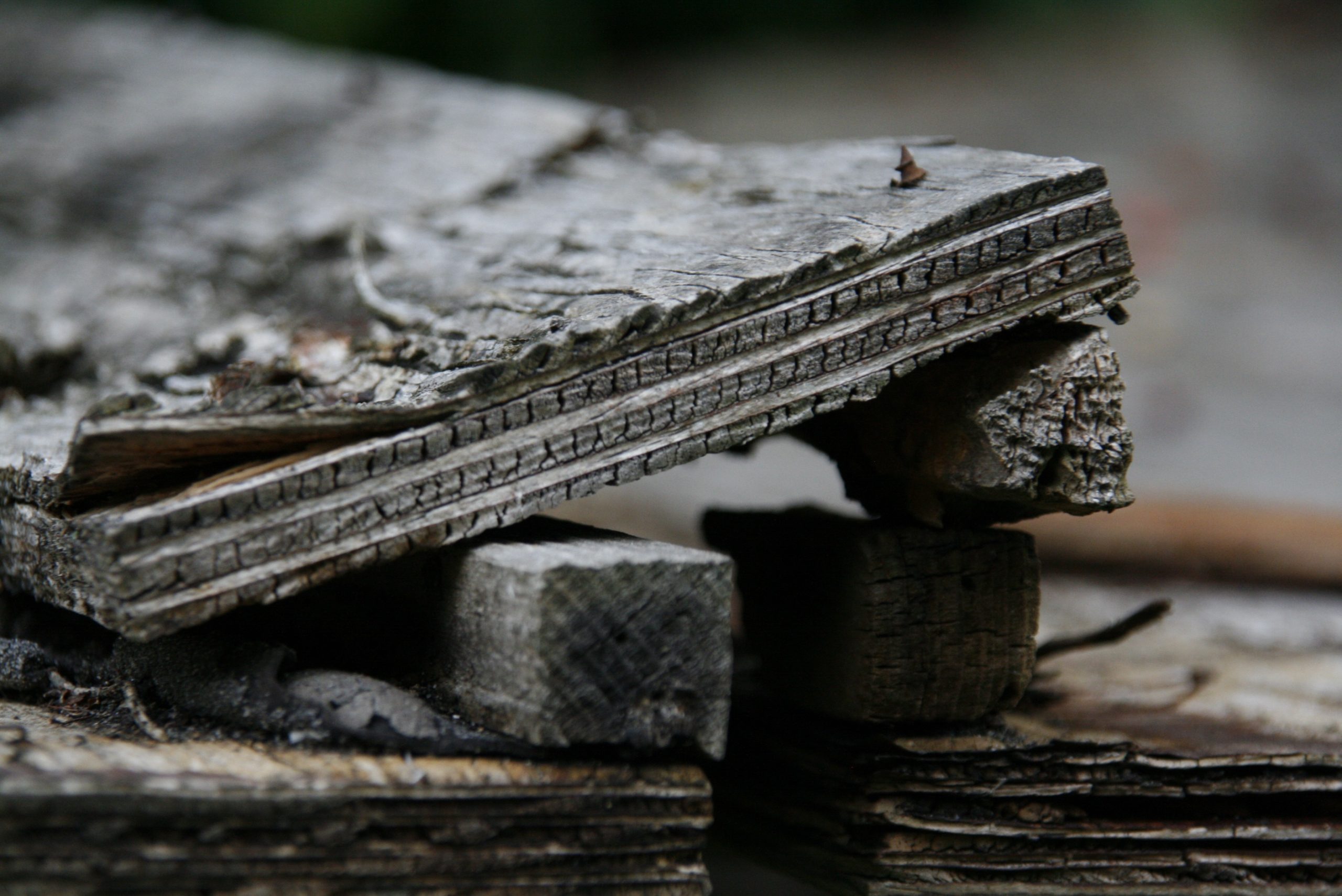
Hidden Defect: The rot was hidden on the underside of the step, making it difficult to detect even with a reasonable inspection.
Plaintiff’s Own Testimony: Ms. Mark herself testified that the stairs appeared fine and safe when she used them before the accident.
Based on this, the court concluded that KOA did not breach its duty of care and was not liable for Ms. Mark’s injuries.
Important Considerations
This case highlights some important aspects of premises liability law:
Burden of Proof: The injured party bears the burden of proving the property owner’s knowledge of the defect.
Constructive Knowledge: Even if the owner didn’t have actual knowledge, they can still be liable if they should have known about the defect through reasonable care.
Hidden Defects: Liability is less likely when the defect is hidden and not readily discoverable.
Outcome
The appeals court affirmed the trial court’s decision, granting summary judgment in favor of KOA. This means Ms. Mark’s case was dismissed, and she was responsible for the costs of the appeal.
This case serves as a reminder that proving negligence in premises liability cases requires demonstrating the property owner’s knowledge of the dangerous condition. When a defect is hidden and there’s no evidence the owner knew or should have known about it, it’s difficult to establish liability.
 A tragic accident involving a young boy with autism has raised questions about the legal responsibility of homeowners when someone is injured on their property. The case of