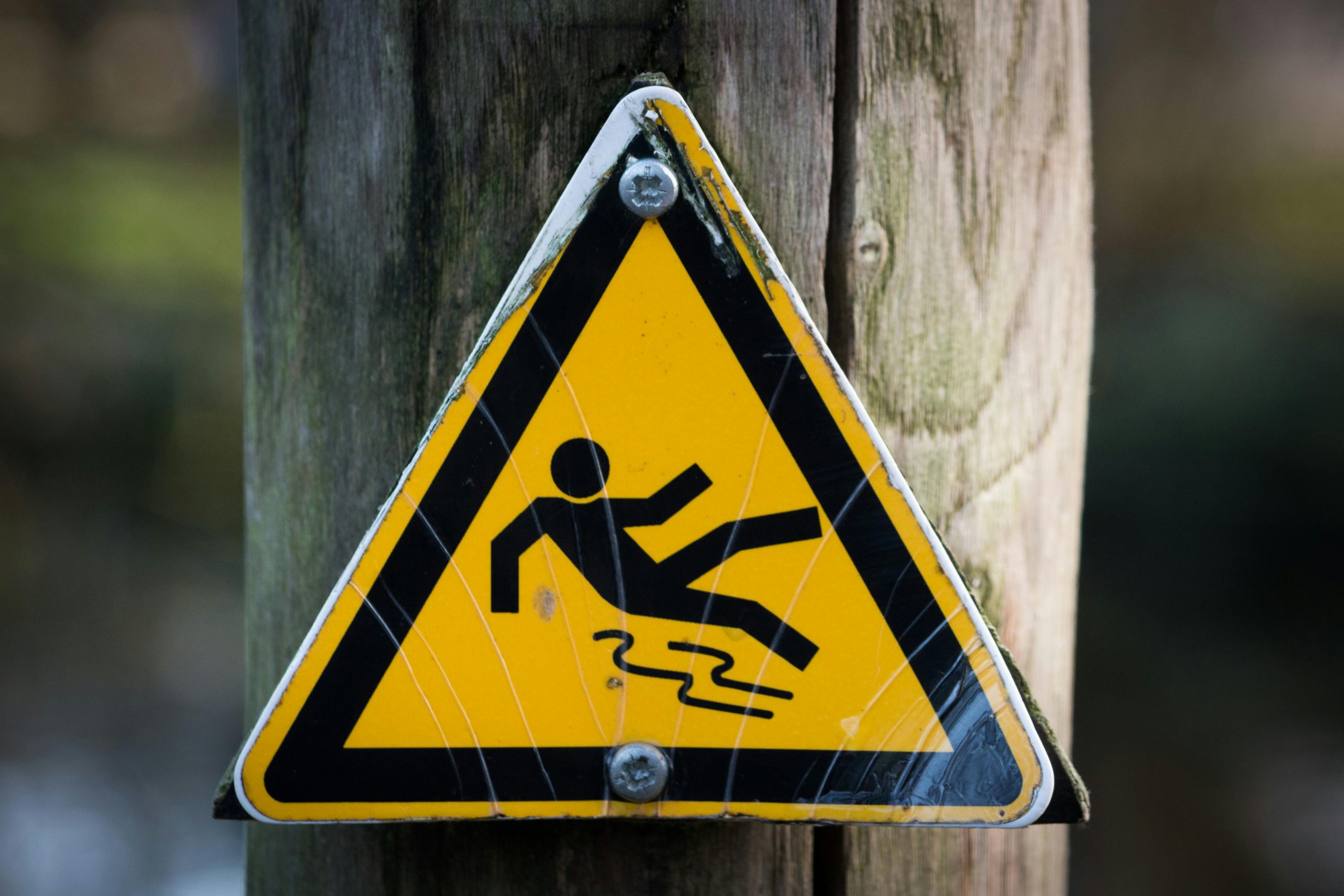
 We’ve all heard the phrase “slip and fall,” often in a comedic context. However, slip-and-fall accidents can result in severe injuries and legal battles. The recent Louisiana Court of Appeal case of Barton v. Walmart highlights the complexities of such cases and what it takes to prove a merchant’s liability.
In 2016, Douglas Barton was shopping at a Walmart store in Alexandria, Louisiana, during a rainy day. As he entered the store, he slipped on a wet spot on the floor, fell, and sustained injuries. He sued Walmart, claiming they were negligent in maintaining a safe environment for their customers.
Walmart denied liability, arguing that they had no knowledge of the wet spot and that it likely occurred moments before Barton entered the store due to the wind blowing rain inside. They presented evidence of an inspection conducted earlier that morning, which had not noted any hazards.
Barton countered, arguing that the inspection was inadequate and that the wetness, which he believed to be condensation, had likely been there for a while. He pointed out that he had been in the area for some time and hadn’t seen anyone else slip or create the wet spot. He asserted that Walmart had “constructive notice” of the hazard—meaning they should have known about it.
The trial court initially ruled in favor of Walmart, granting them summary judgment and dismissing Barton’s case. However, the Court of Appeal reversed that decision.
The appeals court focused on the issue of “constructive notice,” a legal concept that holds a merchant liable if a hazard existed for a long enough time that they should have reasonably discovered and addressed it. The court found that Barton had presented enough evidence to raise a genuine question about how long the wet spot had been on the floor.
The specific evidence the court pointed to was:
- The moisture was present before Barton fell.
- Barton was in the area for a while and didn’t see anyone else there.
- The moisture wasn’t near any products that could have recently spilled.
Because Barton presented this evidence, the appeals court decided a jury should determine whether Walmart had constructive notice of the hazard and was liable for Barton’s injuries.
Things to Remember:
- In slip-and-fall cases, the injured party is required to prove the merchant was negligent. This usually means showing that the merchant created the hazard, knew about it, or should have known about it.
- Even if a merchant didn’t directly create a hazard or know about it, they can still be liable if it existed for a long enough time that they should have discovered and addressed it.
- The outcome of these cases often hinges on evidence about how long the hazard existed, any witnesses, and the store’s policies and procedures for inspections and maintenance.
Slip and fall cases can be complex. If you’ve been injured in a slip and fall accident, it’s essential to consult with an experienced personal injury attorney to understand your rights and options. They can help you gather evidence, build a strong case, and fight for the compensation you deserve.
Remember, the law is on your side if you can prove the merchant’s negligence. Don’t let a slip-and-fall accident leave you with lasting physical and financial burdens.
Additional Sources: DOUGLAS W. BARTON VERSUS WAL-MART STORES, INC.
Written by Berniard Law Firm
Other Berniard Law Firm Blog Articles on Slip and Fall Lawsuits in Louisiana: When Are Stairs An Unreasonably Unsafe Condition? and When a Slip and Fall Isn’t Just an Accident: Understanding Merchant Liability
 We’ve all heard the phrase “slip and fall,” often in a comedic context. However, slip-and-fall accidents can result in severe injuries and legal battles. The recent case of