Tag: Jury Verdict

  • Louisiana Court Adjusts Damages in Car Accident Case, Emphasizes Need for General Damages

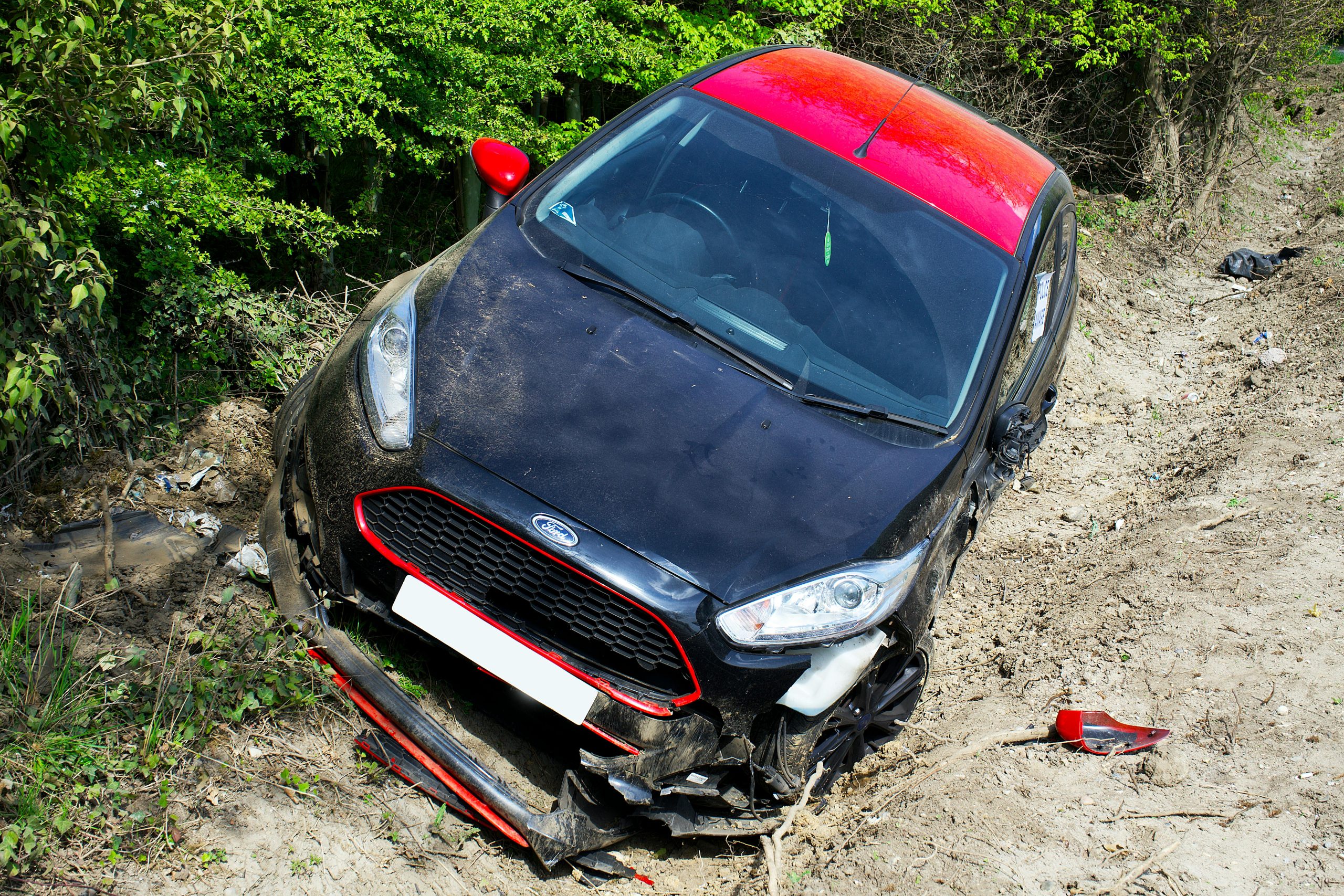
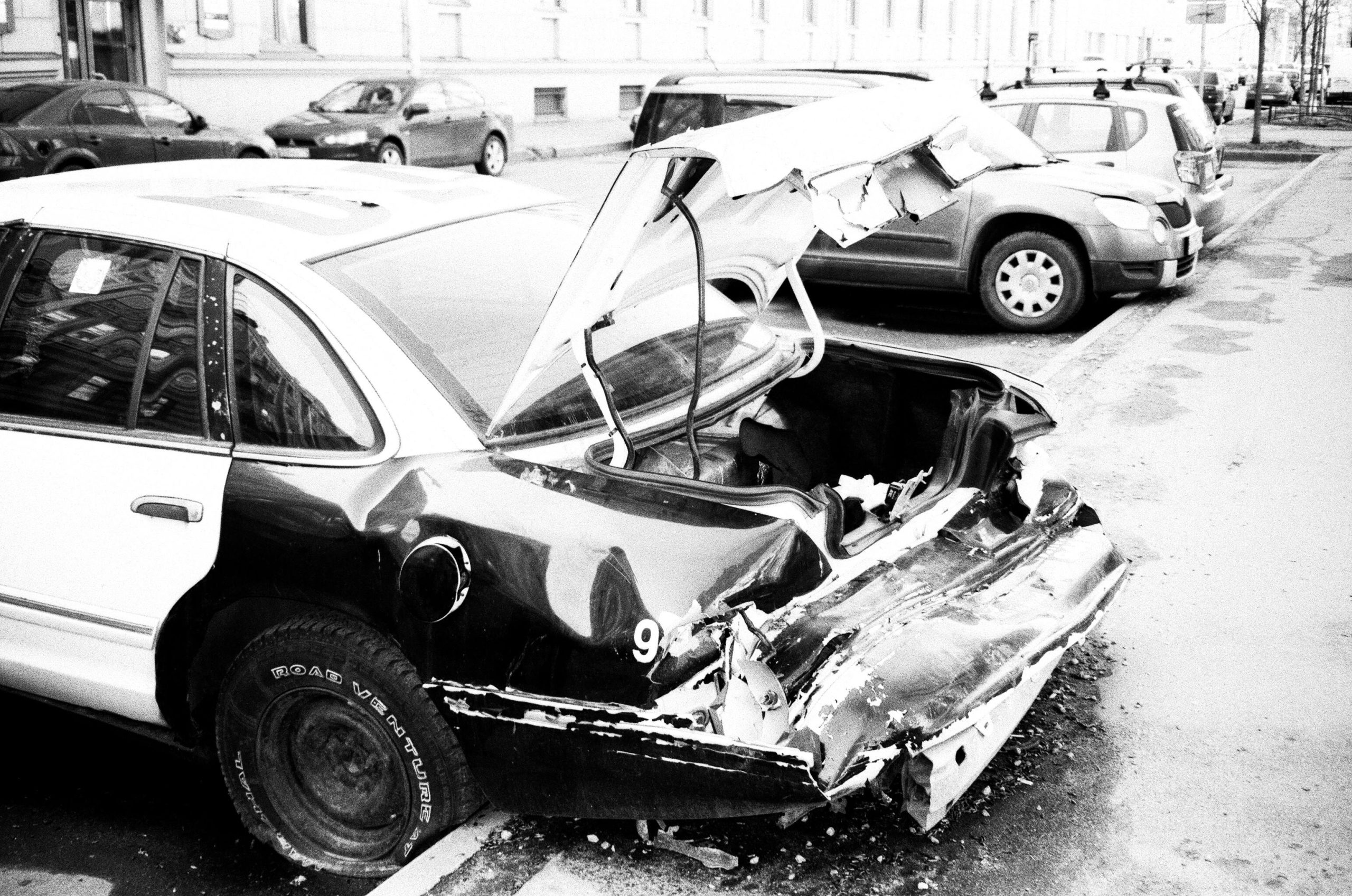
    A recent ruling by the Louisiana Court of Appeal has highlighted the importance of awarding general damages in personal injury cases, even when the primary focus is on medical expenses. The case involved a car accident where the jury awarded the plaintiff past medical expenses but failed to award any general damages for pain and suffering.

    In 2013, Steven McDowell was involved in a car accident with Russell Diggs. McDowell sued Diggs and his insurer, seeking damages for physical and mental pain and suffering, loss of enjoyment of life, and medical expenses.

    The jury found both drivers equally at fault (50% each) and awarded McDowell $8,000 for past medical expenses. However, they did not award any general damages. McDowell appealed, arguing that it was legal error to award special damages without also awarding general damages.

    The Court of Appeal agreed with McDowell, finding that the jury’s decision to award medical expenses but no general damages was an abuse of discretion. The court conducted a de novo review of the evidence and awarded McDowell an additional $25,000 in general damages.

    Understanding the Types of Damages

    • Special Damages: These are quantifiable economic losses, such as medical expenses, lost wages, and property damage.
    • General Damages: These are non-economic losses that are more difficult to quantify, such as pain and suffering, mental anguish, and loss of enjoyment of life.

    Why General Damages Matter:

    General damages compensate for the intangible harms caused by an accident. They acknowledge the physical and emotional toll an injury can take on a person’s life. Even if medical expenses are covered, the pain, suffering, and reduced quality of life deserve compensation.

    Key Takeaways from the Case:

    • Legal Error: The court emphasized that it’s a legal error for a jury to award special damages without also awarding general damages when the injuries are proven.
    • De Novo Review: When such an error occurs, the appellate court can conduct a de novo review, meaning they will independently assess the evidence and determine an appropriate award for general damages.
    • Importance of General Damages: The case highlights that general damages are an essential component of fair compensation in personal injury cases.
    • Seek Legal Counsel: If you’ve been injured in an accident, it’s crucial to consult with an attorney who can help you understand your rights and ensure you receive full and fair compensation for all your losses, including general damages.

    This case serves as a reminder that even in cases where medical expenses are the primary focus, general damages for pain and suffering should not be overlooked. The court’s decision emphasizes the importance of ensuring that injured individuals receive just compensation for the full spectrum of harm they’ve suffered.

    Additional Sources: STEVEN MCDOWELL VERSUS RUSSELL DIGGS, UNITED SERVICES AUTOMOBILE ASSOCIATION AND LIBERTY MUTUAL INSURANCE COMPANY

    Written by Berniard Law Firm

    Other Berniard Law firm articles on General Damages: Louisiana Court Affirms General Damages Awarded to Ascension Parish Woman Injured In Auto Accident and Falling Tree Victim Entitled to Increase of General Damages

  • Hotel Not Liable for Pool Injury: Understanding Premises Liability and the “Res Ipsa Loquitur” Doctrine in Louisiana

    A recent Louisiana Court of Appeal ruling underscores the complexities of premises liability cases and the challenges plaintiffs face in proving negligence when accidents occur on someone else’s property. The case, Krueger v. La Quinta Inn & Suites, involved a guest who suffered a foot injury due to broken glass in the hotel pool. While the injury was unfortunate, the court ultimately sided with the hotel, highlighting the necessity of establishing the property owner’s knowledge of the hazard.

    Casey Krueger and his family were staying at a La Quinta Inn & Suites in Baton Rouge when he cut his foot on broken glass in the pool. Although the jury acknowledged there was a defect on the premises, they found the hotel not liable because they didn’t have actual or constructive knowledge of the hazard.

    Krueger appealed, arguing that the hotel should have known about the broken glass and that the doctrine of “res ipsa loquitur” should apply, allowing negligence to be inferred from the circumstances of the injury.

    The Court of Appeal upheld the jury’s verdict, focusing on two key aspects:

    1. Constructive Knowledge: In premises liability cases, property owners are generally only liable for injuries caused by hazards they knew about or should have known about through reasonable care. The court found no evidence that the hotel had actual knowledge of the broken glass. It also determined that the hotel’s regular pool inspections and policies prohibiting glass containers were sufficient to demonstrate reasonable care.

    2. Res Ipsa Loquitur: This Latin phrase, meaning “the thing speaks for itself,” allows negligence to be inferred in certain situations where the injury wouldn’t have occurred without someone’s negligence. However, the court rejected its application in this case, stating that it was equally possible a third party, not the hotel, was responsible for the broken glass in the pool.

    The Krueger case offers several important lessons:

    • Burden of Proof in Premises Liability: It’s not enough to show that an injury occurred on someone’s property. The injured party must prove that the property owner knew or should have known about the hazard and failed to take reasonable steps to address it.
    • Constructive Knowledge: Property owners have a duty to exercise reasonable care in maintaining their premises and discovering potential dangers. This includes regular inspections and taking prompt action to address any hazards.
    • Res Ipsa Loquitur is Limited: This doctrine is not a catch-all for proving negligence. It only applies in specific situations where the circumstances clearly point to the defendant’s negligence and other potential causes are unlikely.

    Practical Implications for Hotel Guests and Businesses

    • For Guests: If you’re injured at a hotel, promptly report the incident and seek medical attention. Document the scene, including any hazards that may have contributed to your injury. This evidence can be crucial in establishing the hotel’s liability.
    • For Hotels: Implement and maintain a robust safety and inspection program. Regularly inspect your premises, including pools and other common areas, for potential hazards. Address any issues promptly and thoroughly.

    If you’ve been injured due to a hazard on someone else’s property, consulting with an experienced personal injury attorney is critical. They can help you assess the strength of your case, gather evidence, and navigate the legal complexities of premises liability law.

    Additional Resources: CASEY KRUEGER VERSUS LA QUINTA INN & SUITES, BATON ROUGE, LQ MANAGEMENT, L.L.C. AND RONALD BYLAND

    Written by Berniard Law Firm

    Other Berniard Law Firm Articles on Res Ipsa Loquitor: Injured Taxi Driver Fails to Recover in Claim Based on Res Ipsa Loquitor and What is Res Ipsa Loquitor?

  • A Car Crash, a Faulty Repair, and a Battle Over Damages

    Patricia Spann’s life took a dramatic turn when she lost control of her Chevrolet Cobalt, resulting in a severe accident that left her with multiple fractures and a lengthy hospital stay. She believed the cause of the accident was a faulty power steering system, recently replaced by Gerry Lane Chevrolet as part of a recall. Spann sued Gerry Lane, alleging negligence in the repair and the hiring and training of their mechanics.

    The legal journey was not a smooth one. Initially, the trial court dismissed Spann’s case, granting Gerry Lane’s motion for summary judgment due to a perceived lack of evidence. However, Spann fought back, securing a new trial based on additional evidence from her expert witness.

    This expert, a mechanical engineer, had conducted multiple inspections of Spann’s car, ultimately concluding that the power steering system failed due to improper installation. Gerry Lane challenged the admissibility of this expert’s testimony, arguing it lacked scientific basis and that some inspections violated a court order. However, the court allowed the testimony, stating that challenges to the expert’s conclusions were about the weight of the evidence, not its admissibility. The court also determined that while the inspections without the defendants present were “troubling,” there was no evidence of intentional wrongdoing.

    At trial, a jury found Gerry Lane partially at fault for the accident and awarded Spann damages for medical expenses and lost wages. However, they did not award any damages for pain and suffering, a decision that Spann challenged. The trial court agreed with Spann, finding the jury’s verdict inconsistent. It granted a Judgment Notwithstanding the Verdict (JNOV), significantly increasing the damages to include a substantial amount for pain and suffering. (see La. C.C.P. art. 1811).

    Gerry Lane appealed, arguing several points, including the admissibility of the expert’s testimony, the evidence from the inspections, the granting of a new trial, and the large increase in damages awarded by the JNOV.

    The appeals court carefully reviewed the evidence and legal arguments. It upheld the trial court’s decisions regarding the expert testimony, the evidence from the inspections, and the new trial. However, while it agreed that the jury’s verdict was inconsistent and a JNOV was warranted, it found the trial court’s increase in damages to be excessive. The appeals court reduced the additional award for pain and suffering, striking a balance between recognizing Spann’s injuries and respecting the jury’s initial findings.

    This case underscores several important legal concepts. It highlights the critical role of expert witnesses in complex cases, particularly when technical or scientific issues are involved. It also emphasizes the importance of adhering to court orders and the potential consequences of violating them, even if unintentional.

    Furthermore, the case demonstrates the power of a JNOV to correct an inconsistent or unjust jury verdict. However, it also shows that even when a JNOV is granted, the court’s discretion in awarding damages is not unlimited and must be based on a reasonable assessment of the evidence.

    Spann v. Gerry Lane serves as a reminder that the legal process can be long and complex, with multiple layers of review and potential for appeals. It underscores the importance of seeking experienced legal counsel to navigate these complexities and ensure that justice is served.

    Additional Sources:PATRICIA SPANN VERSUS GERRY LANE ENTERPRISES, INC. D/B/A GERRY LANE CHEVROLET, ABC AND XYZ

    Written by Berniard Law Firm 

    Other Berniard Law Firm Articles on Increase of Jury Awards: How can an Appeal Affect a Jury’s Award for Mental and Physical Pain and Suffering?  and Allocating Damages in Wrongful Death Cases: Navigating the High Standard of JNOV Motion