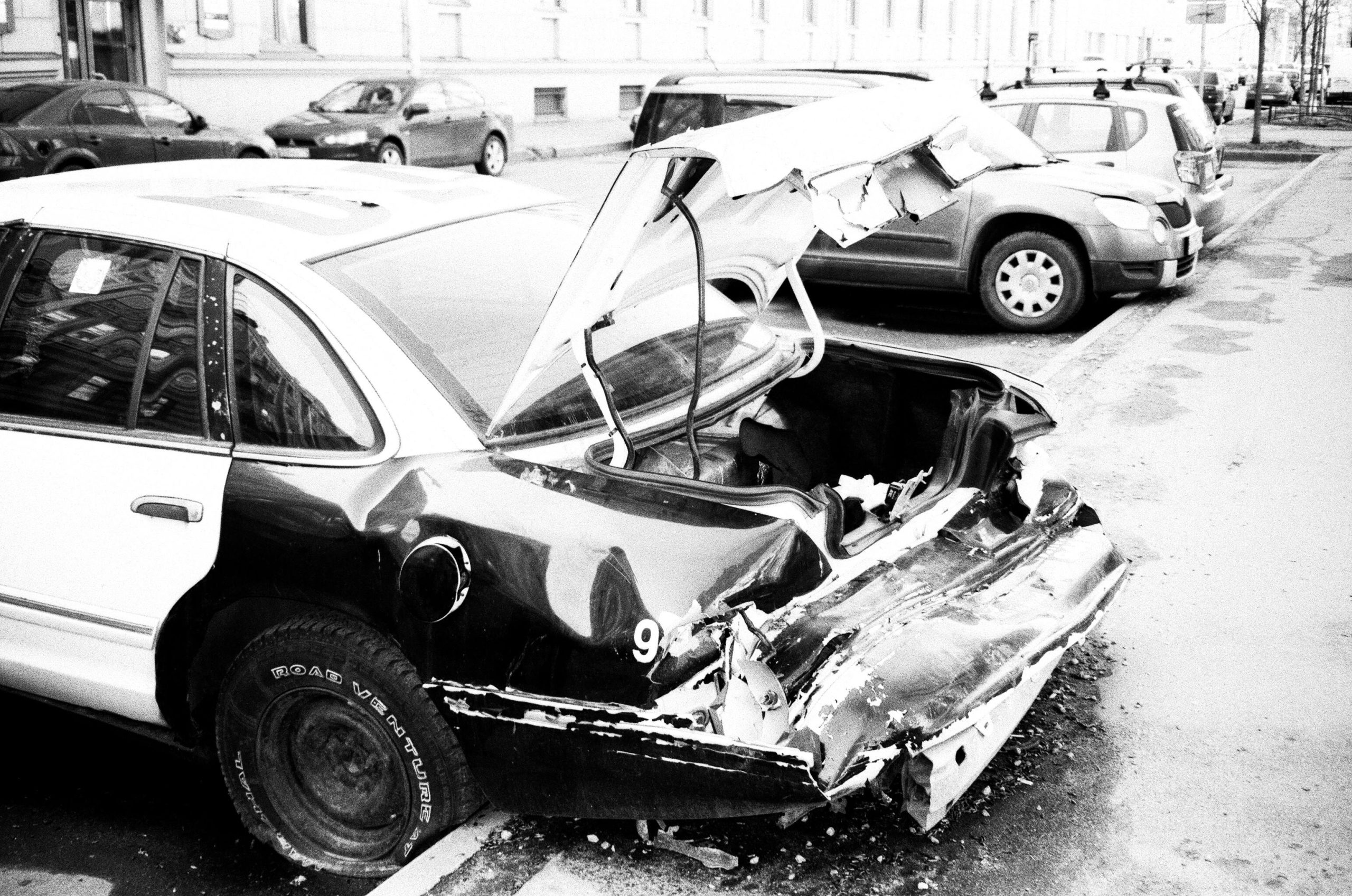
 A recent ruling by the Louisiana Court of Appeal has highlighted the importance of awarding general damages in personal injury cases, even when the primary focus is on medical expenses. The case involved a car accident where the jury awarded the plaintiff past medical expenses but failed to award any general damages for pain and suffering.
In 2013, Steven McDowell was involved in a car accident with Russell Diggs. McDowell sued Diggs and his insurer, seeking damages for physical and mental pain and suffering, loss of enjoyment of life, and medical expenses.
The jury found both drivers equally at fault (50% each) and awarded McDowell $8,000 for past medical expenses. However, they did not award any general damages. McDowell appealed, arguing that it was legal error to award special damages without also awarding general damages.
The Court of Appeal agreed with McDowell, finding that the jury’s decision to award medical expenses but no general damages was an abuse of discretion. The court conducted a de novo review of the evidence and awarded McDowell an additional $25,000 in general damages.
Understanding the Types of Damages
- Special Damages: These are quantifiable economic losses, such as medical expenses, lost wages, and property damage.
- General Damages: These are non-economic losses that are more difficult to quantify, such as pain and suffering, mental anguish, and loss of enjoyment of life.
Why General Damages Matter:
General damages compensate for the intangible harms caused by an accident. They acknowledge the physical and emotional toll an injury can take on a person’s life. Even if medical expenses are covered, the pain, suffering, and reduced quality of life deserve compensation.
Key Takeaways from the Case:
- Legal Error: The court emphasized that it’s a legal error for a jury to award special damages without also awarding general damages when the injuries are proven.
- De Novo Review: When such an error occurs, the appellate court can conduct a de novo review, meaning they will independently assess the evidence and determine an appropriate award for general damages.
- Importance of General Damages: The case highlights that general damages are an essential component of fair compensation in personal injury cases.
- Seek Legal Counsel: If you’ve been injured in an accident, it’s crucial to consult with an attorney who can help you understand your rights and ensure you receive full and fair compensation for all your losses, including general damages.
This case serves as a reminder that even in cases where medical expenses are the primary focus, general damages for pain and suffering should not be overlooked. The court’s decision emphasizes the importance of ensuring that injured individuals receive just compensation for the full spectrum of harm they’ve suffered.
Additional Sources: STEVEN MCDOWELL VERSUS RUSSELL DIGGS, UNITED SERVICES AUTOMOBILE ASSOCIATION AND LIBERTY MUTUAL INSURANCE COMPANY
Written by Berniard Law Firm
Other Berniard Law firm articles on General Damages: Louisiana Court Affirms General Damages Awarded to Ascension Parish Woman Injured In Auto Accident and Falling Tree Victim Entitled to Increase of General Damages
 A recent ruling by the